
Brake Discs
High-performance braking surfaces for consistent stopping power
How to choose the right brake discs
Brake Discs for enduro riding need to match terrain, speed, and the level of support or control you actually want. This page brings together 22 options from 8 brands so you can compare real differences in ride feel, reliability, and value.
High-performance braking surfaces for consistent stopping power Observed pricing runs from about EUR 29 to EUR 99 depending on construction and tier.
Brand
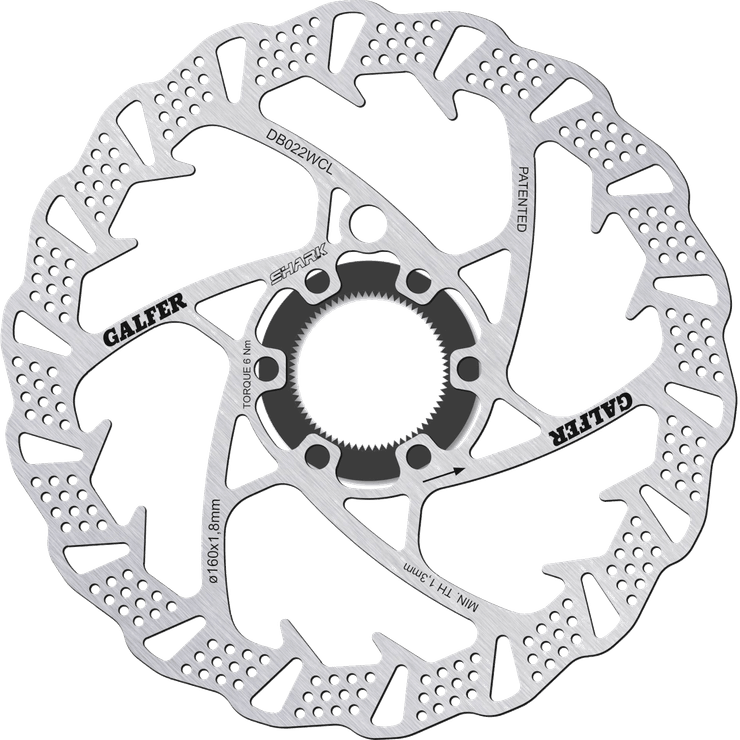
Shark MTB Fixed Disc
€49Top Heat Management
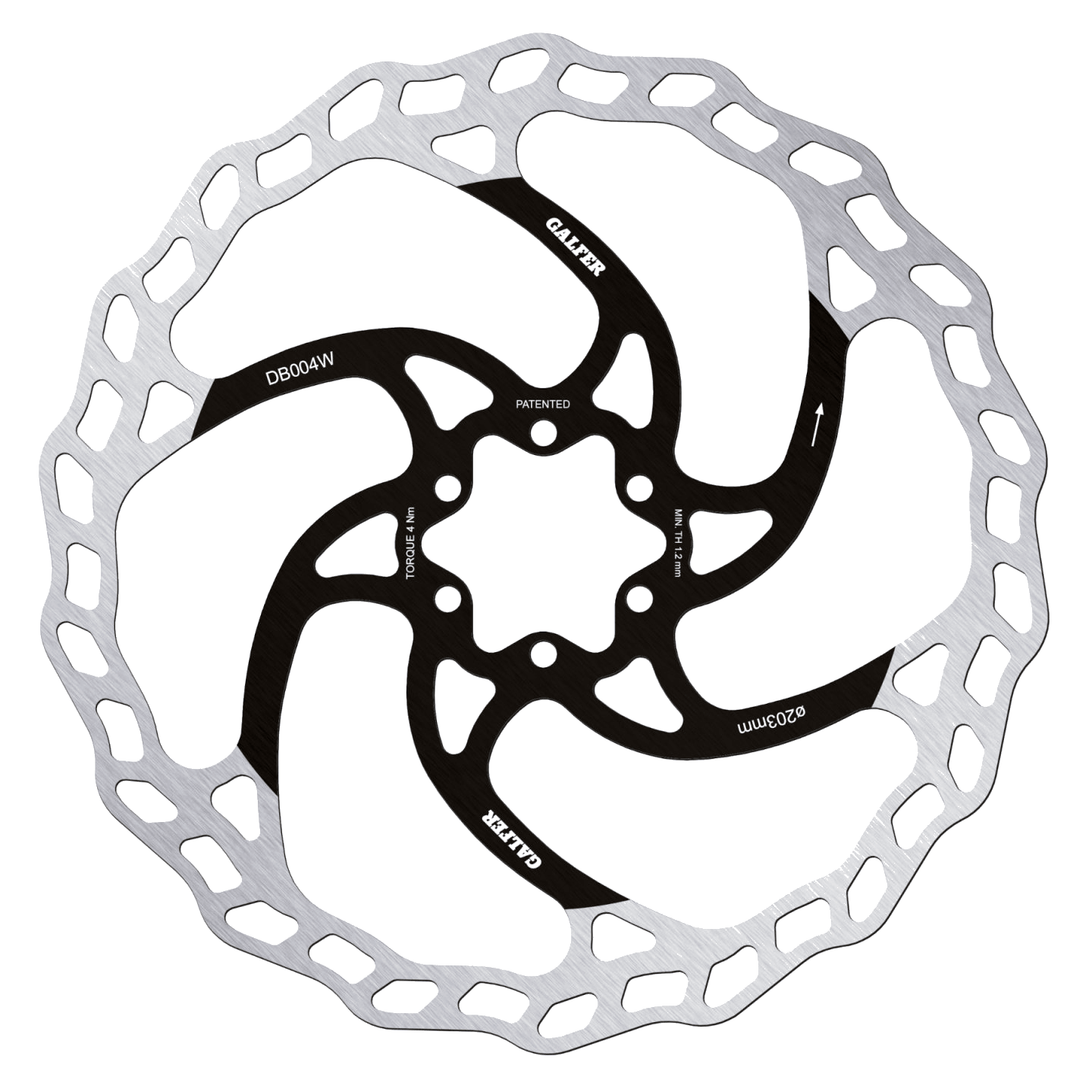
Wave Fixed Disc
€39The Original Wave
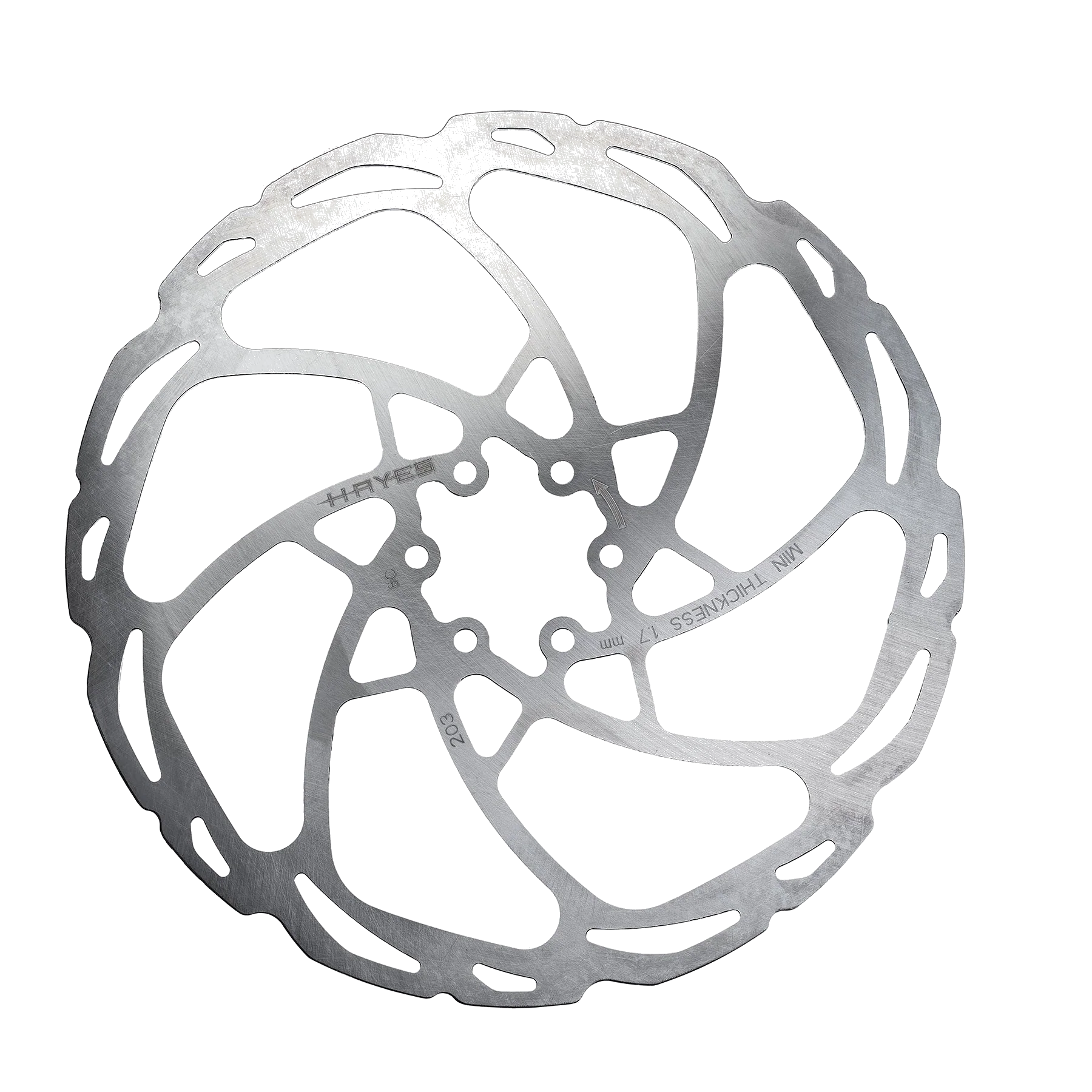
D-Series Rotor
€67FEA-optimized rotor engineered for Dominion brakes
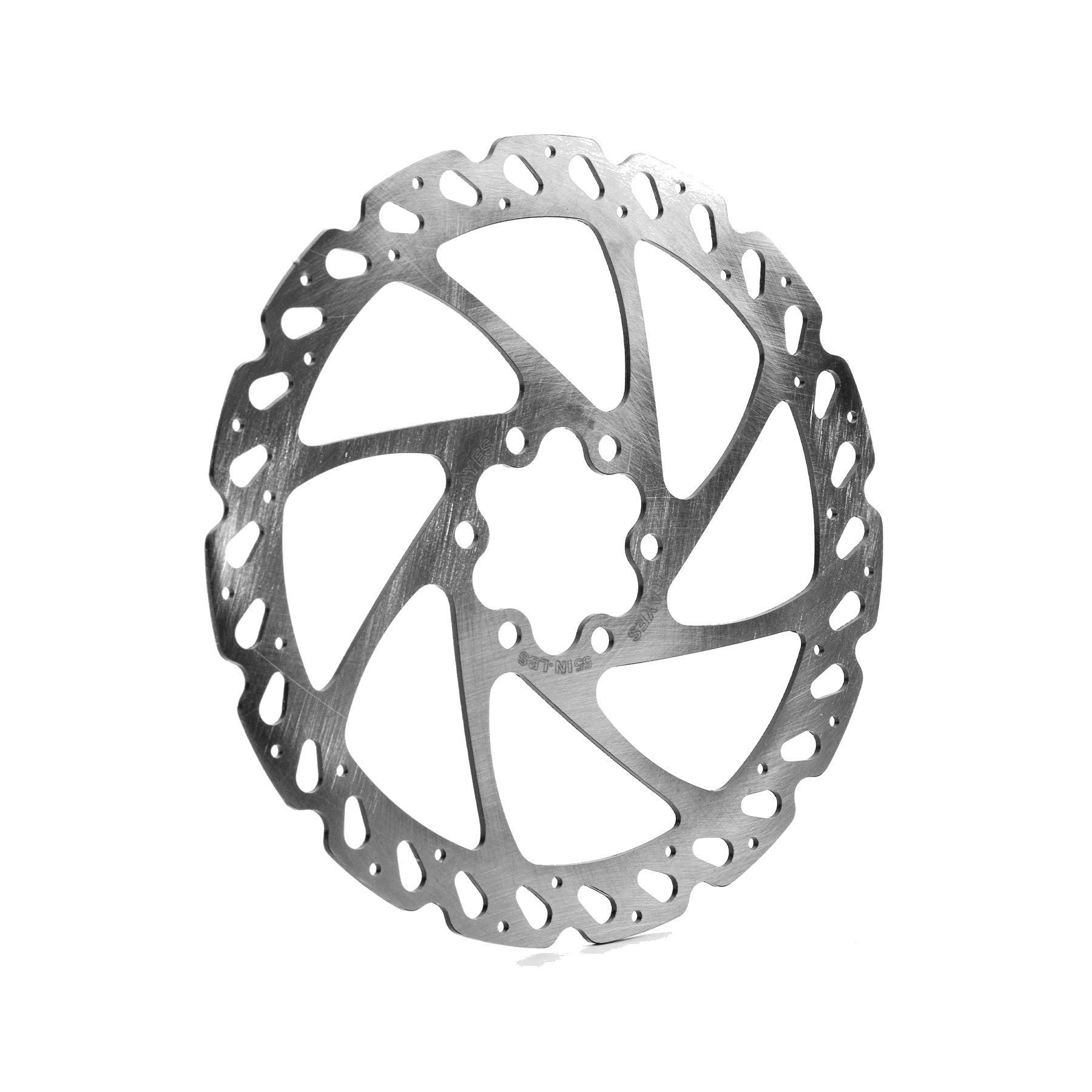
V-Series Rotor
€56Reliable all-conditions rotor with T25 hardware
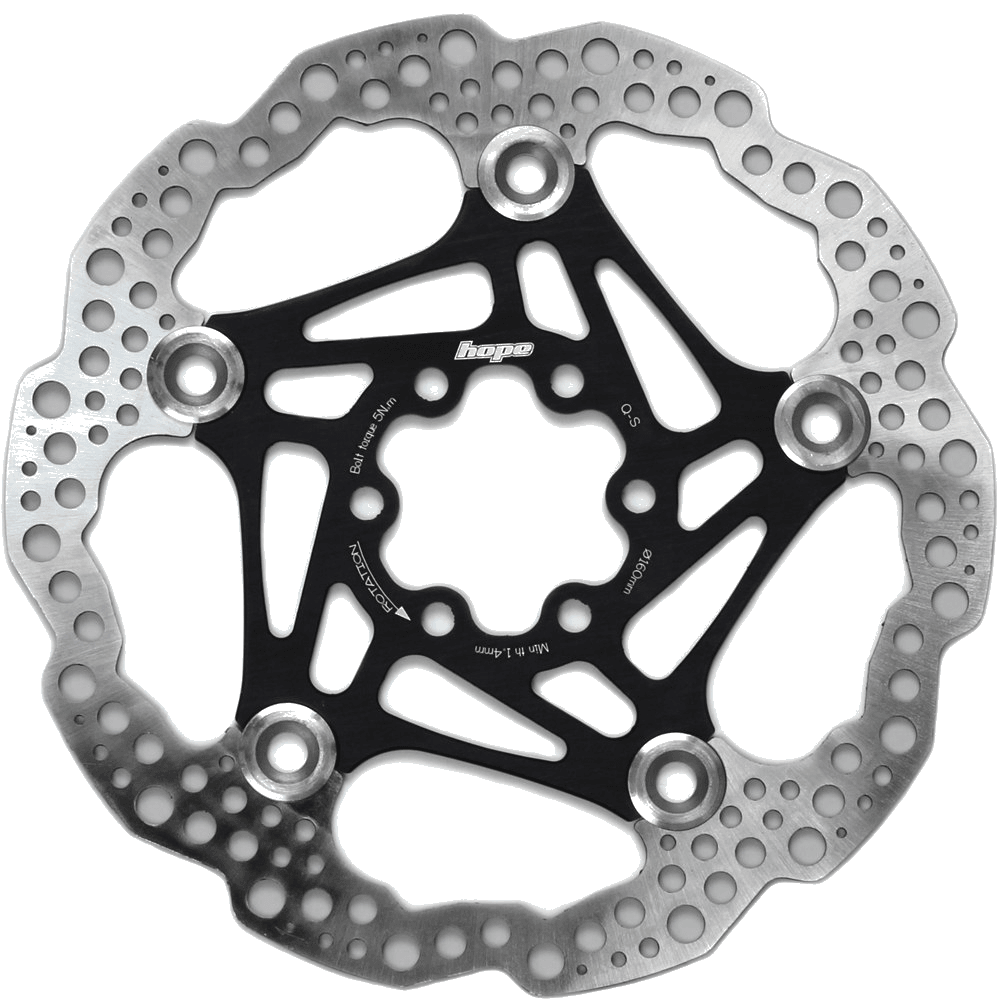
Floating Rotor
€79Premium British Engineering
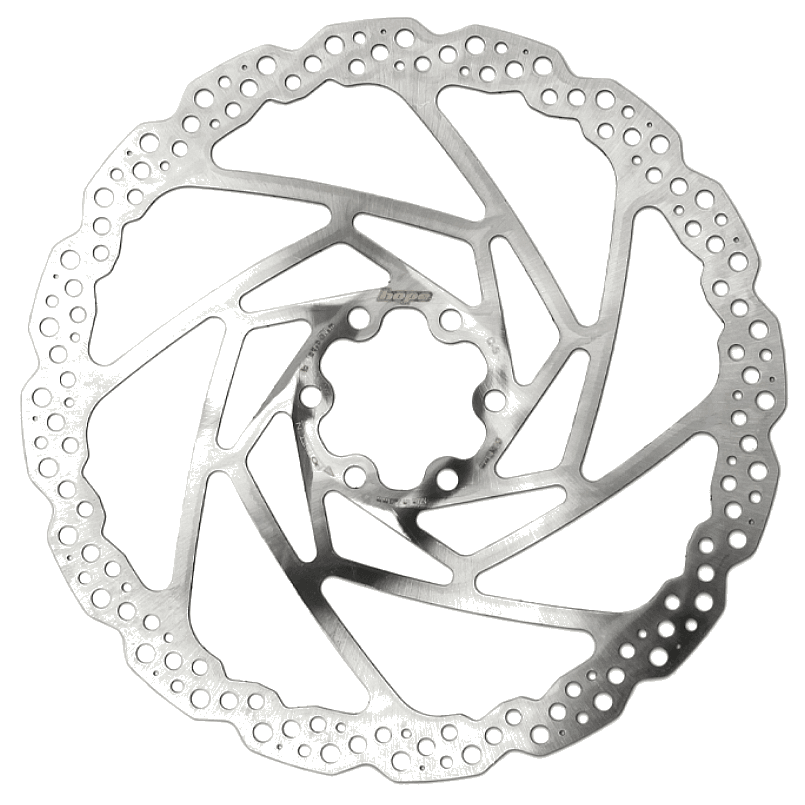
Standard Rotor
€49Laser Cut Precision
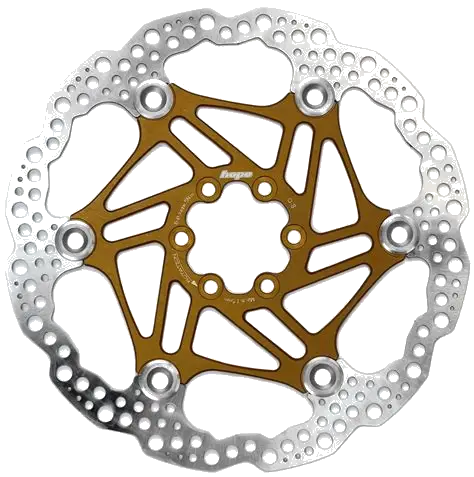
Vented V4 Rotor
€99Internal Venting Technology
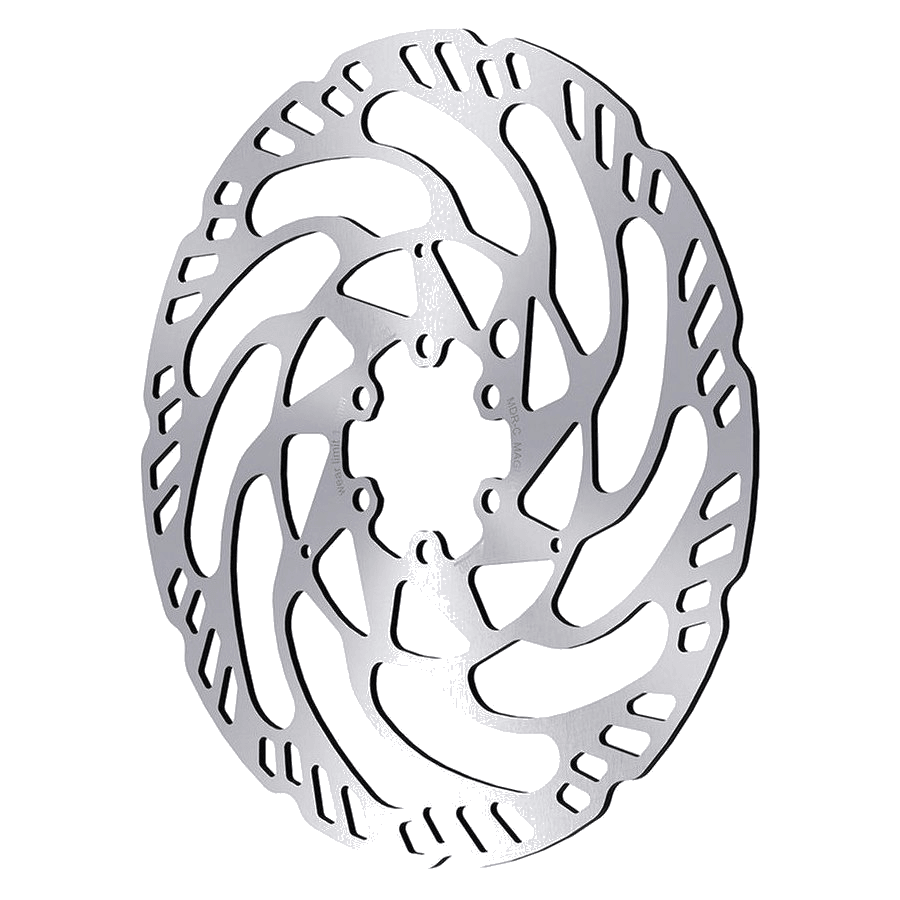
MDR-C Rotor
€30.9All-Rounder Reinforced
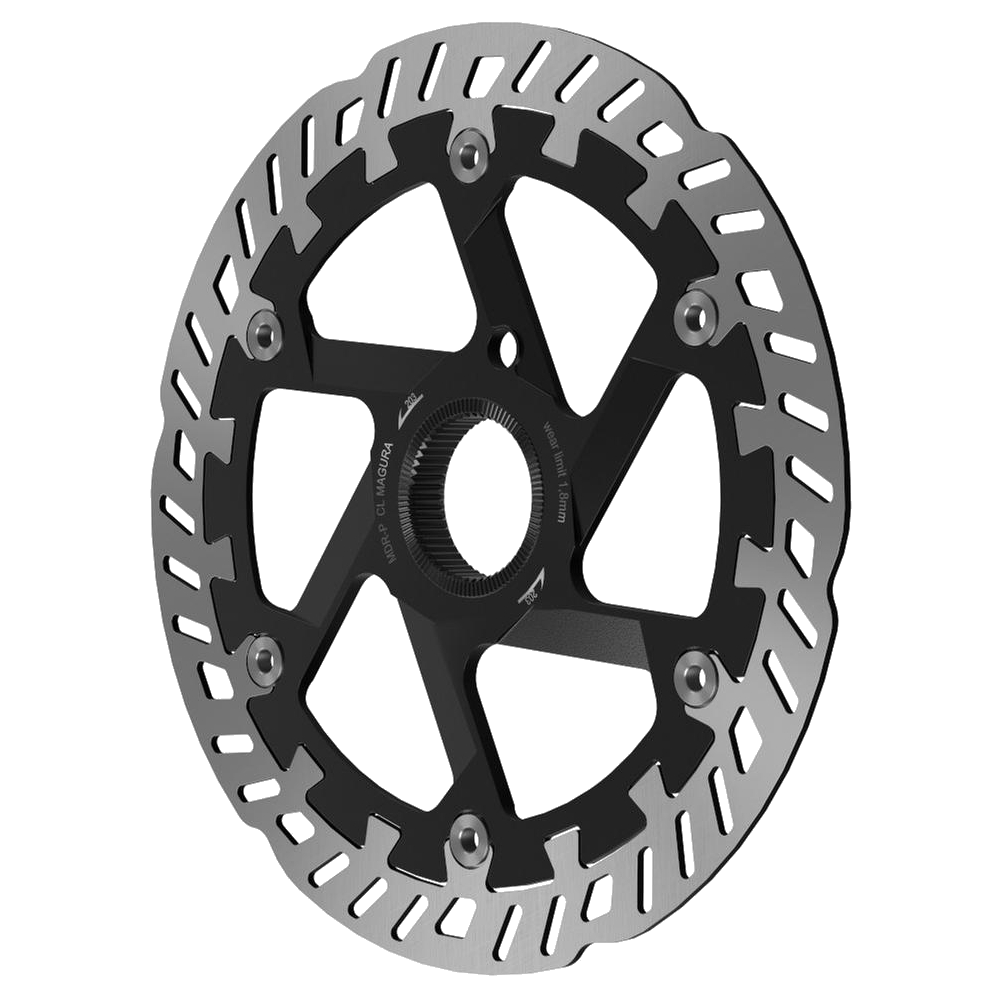
MDR-P Rotor
€55.9Maximum E-Bike & DH Performance
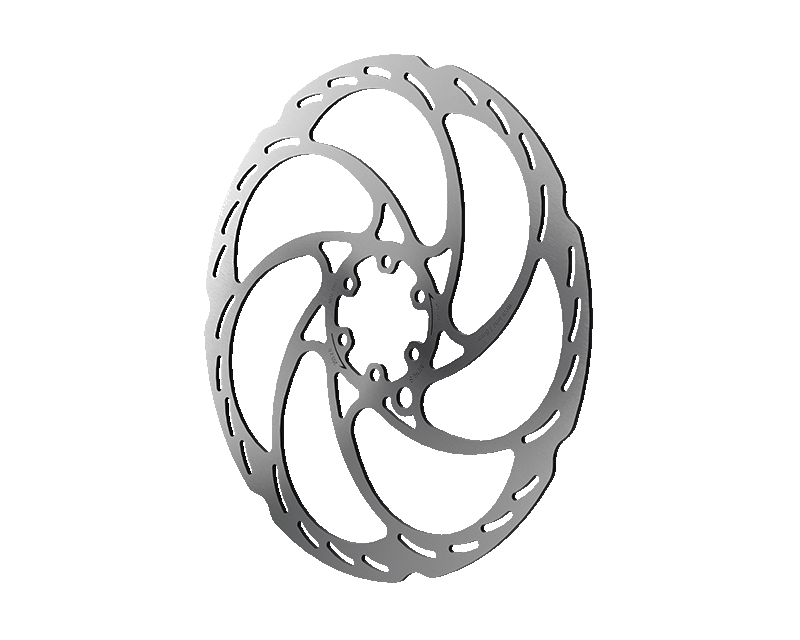
MDR-S 2.0
€45.9High Power, Low Vibration Enduro Rotor
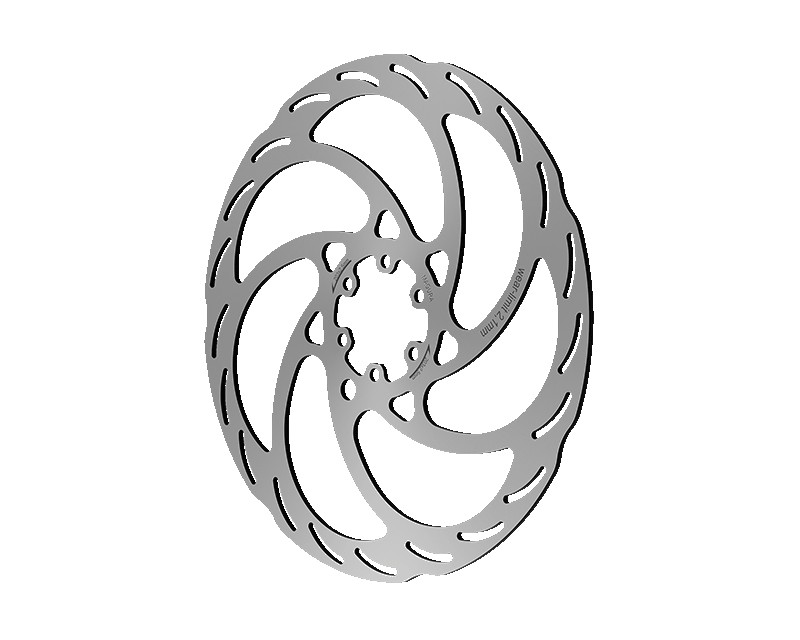
MDR-S 2.5
€55.9Maximum Stability, Minimum Vibration
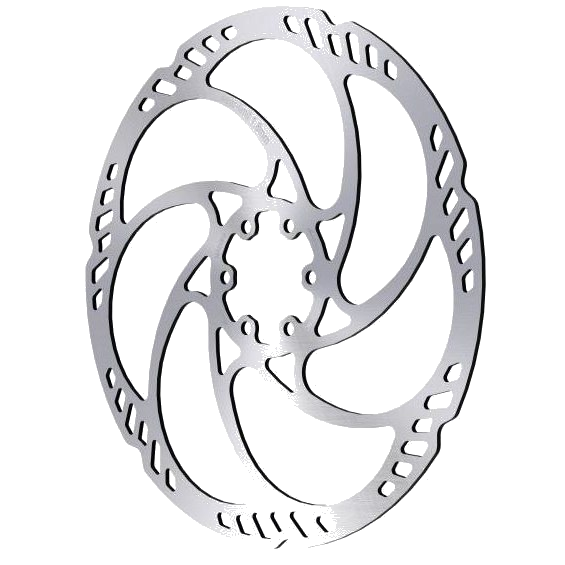
Storm HC
€30.9Heavy Use Stability
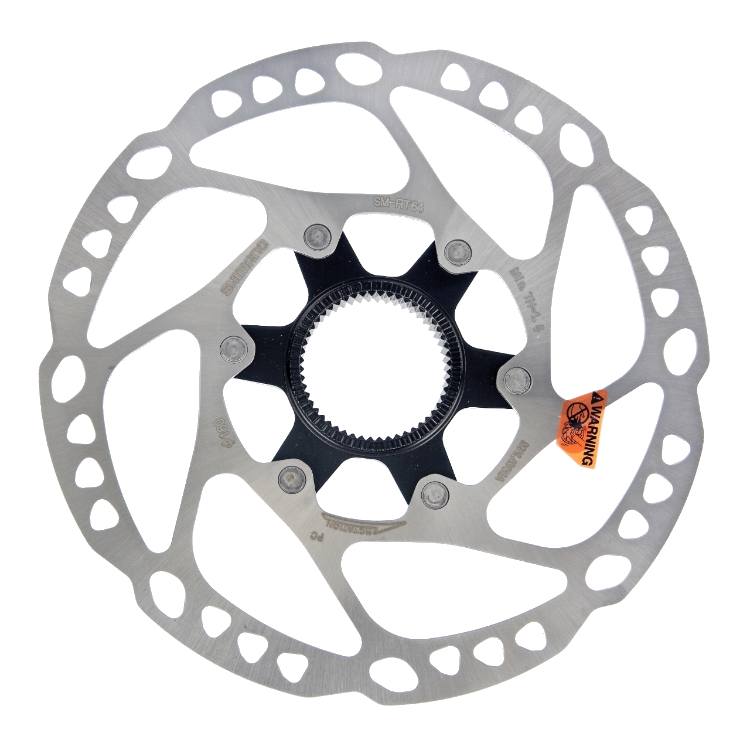
Deore RT64
€29Reliable Breaking Performance
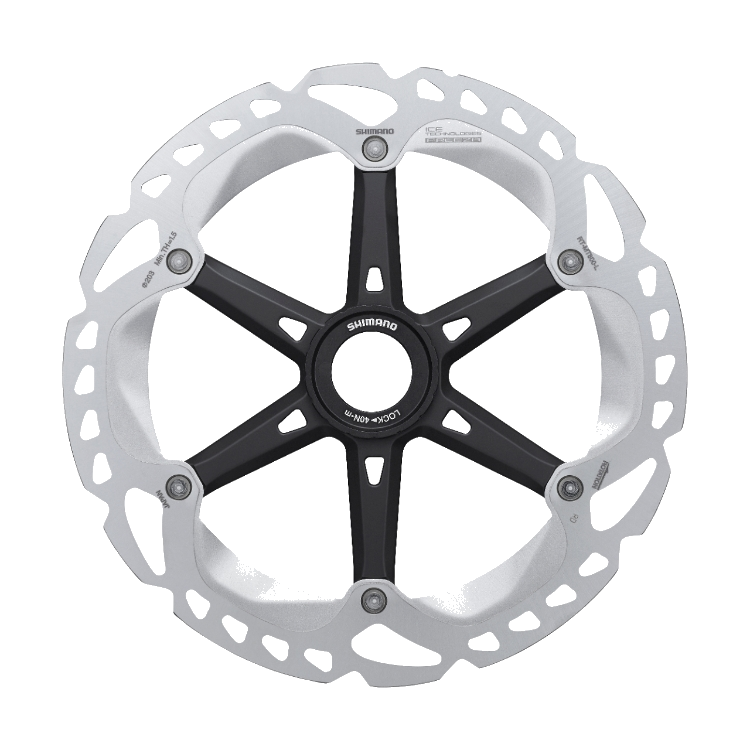
Deore XT RT-MT800
€69Ice Technologies Freeza
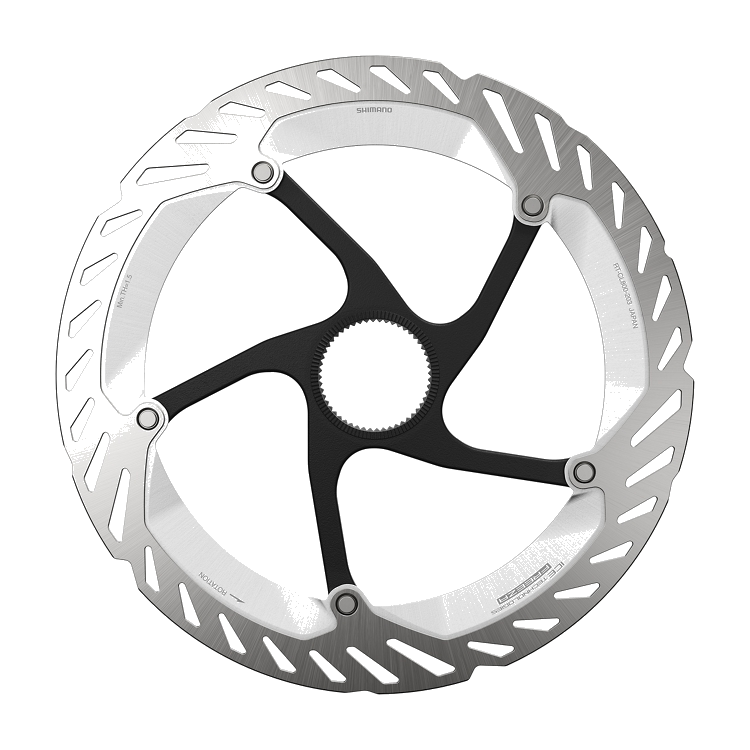
SLX RT-CL800
€49Ice Tech Freeza Centerlock
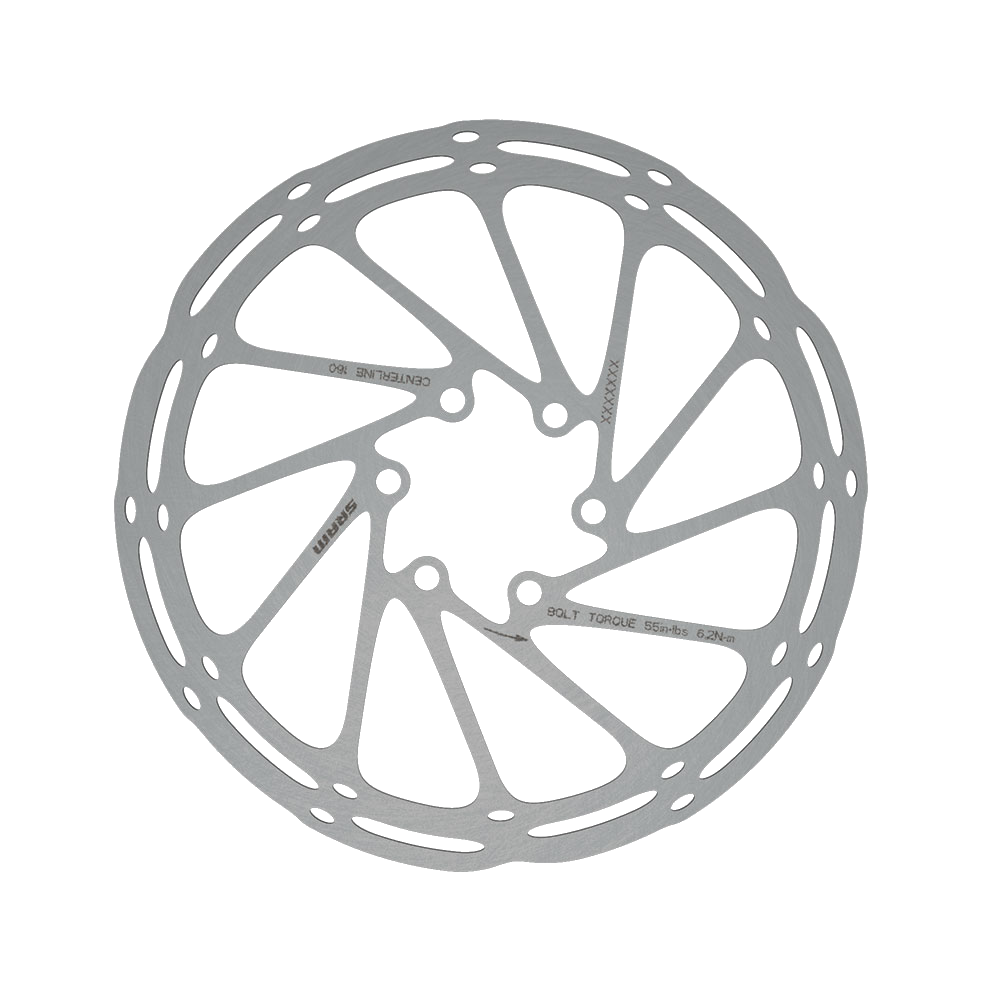
CenterLine Rotor
€62Smooth and Quiet
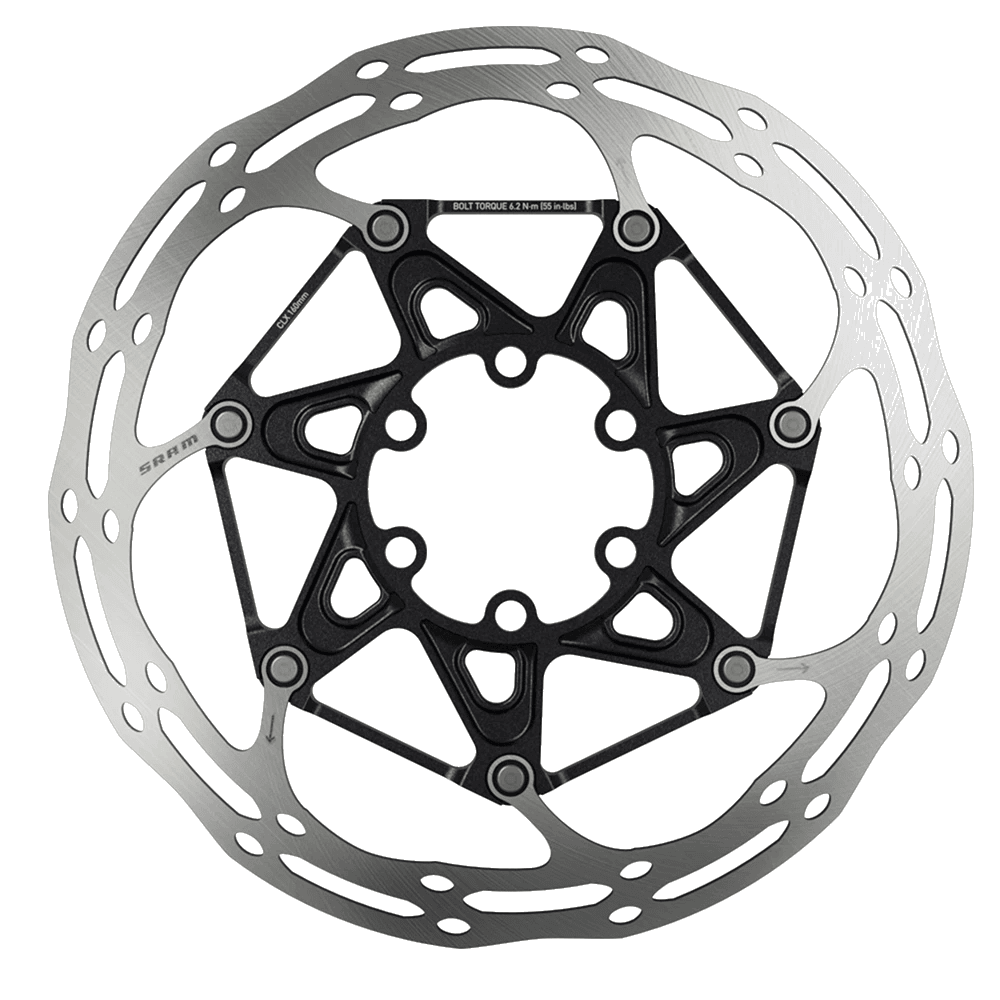
CenterLine X
€39Lightweight Performance
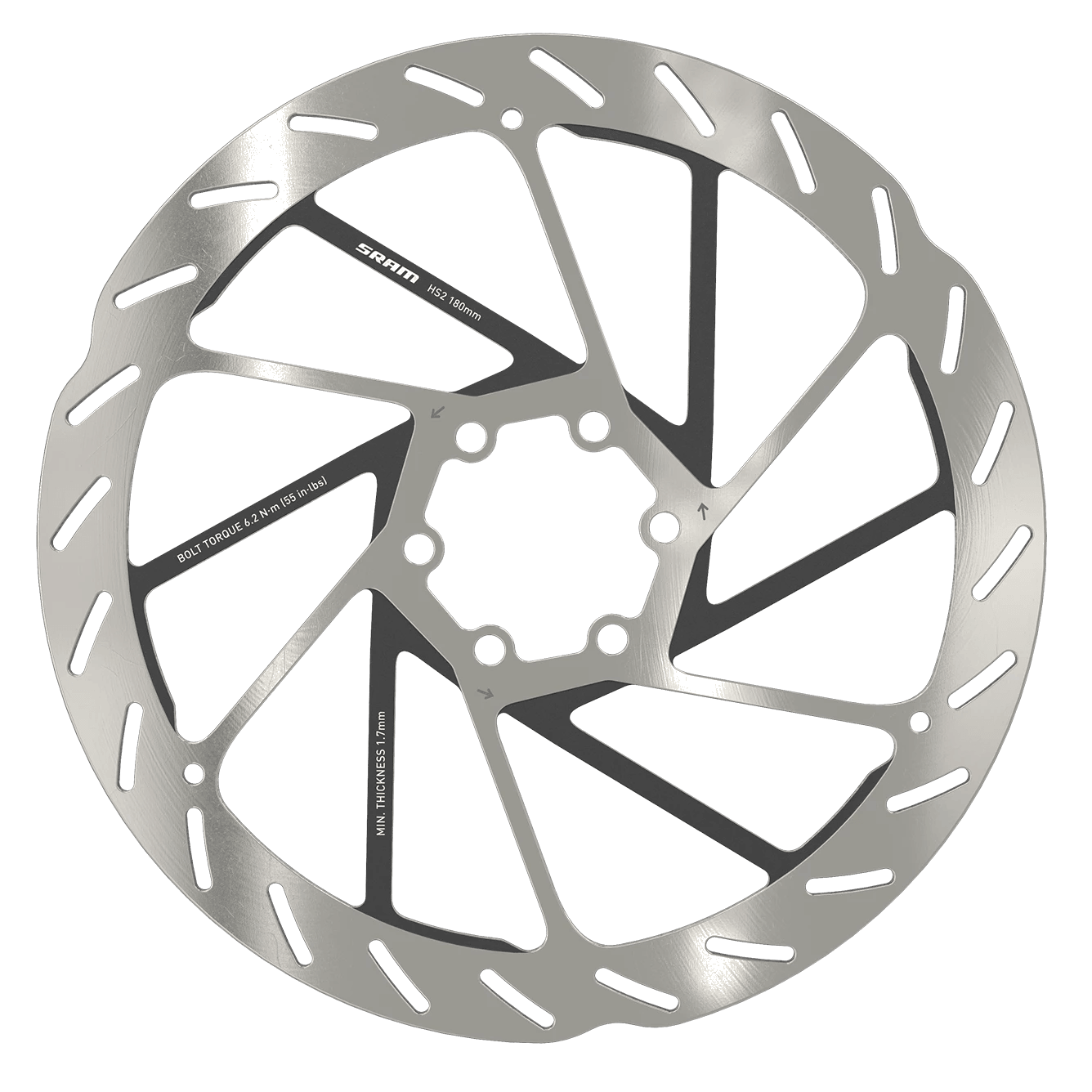
HS2 Rotor
€58Mountain Bike Specific
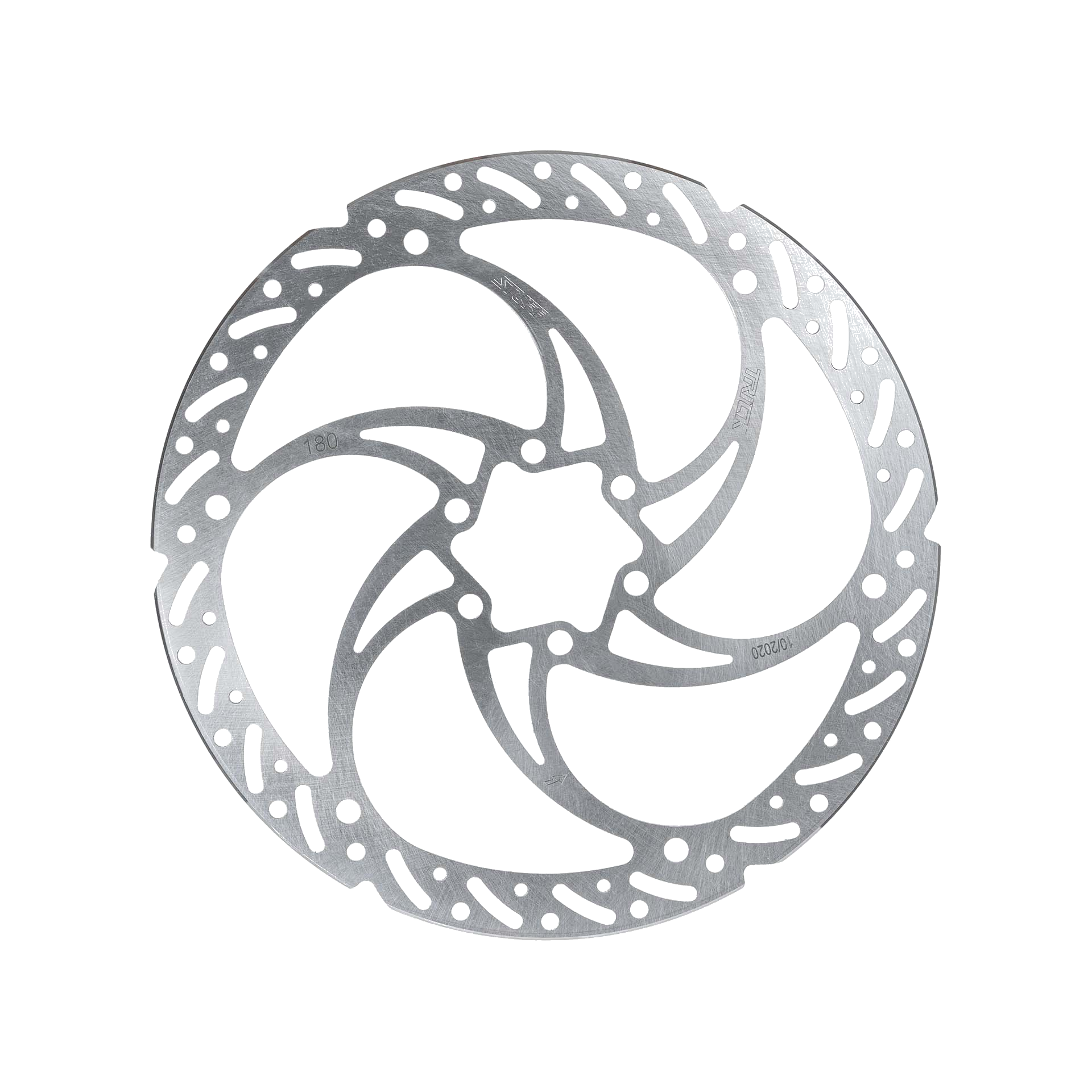
Dächle Disc HD
€34Heavy-duty heat capacity for enduro and DH
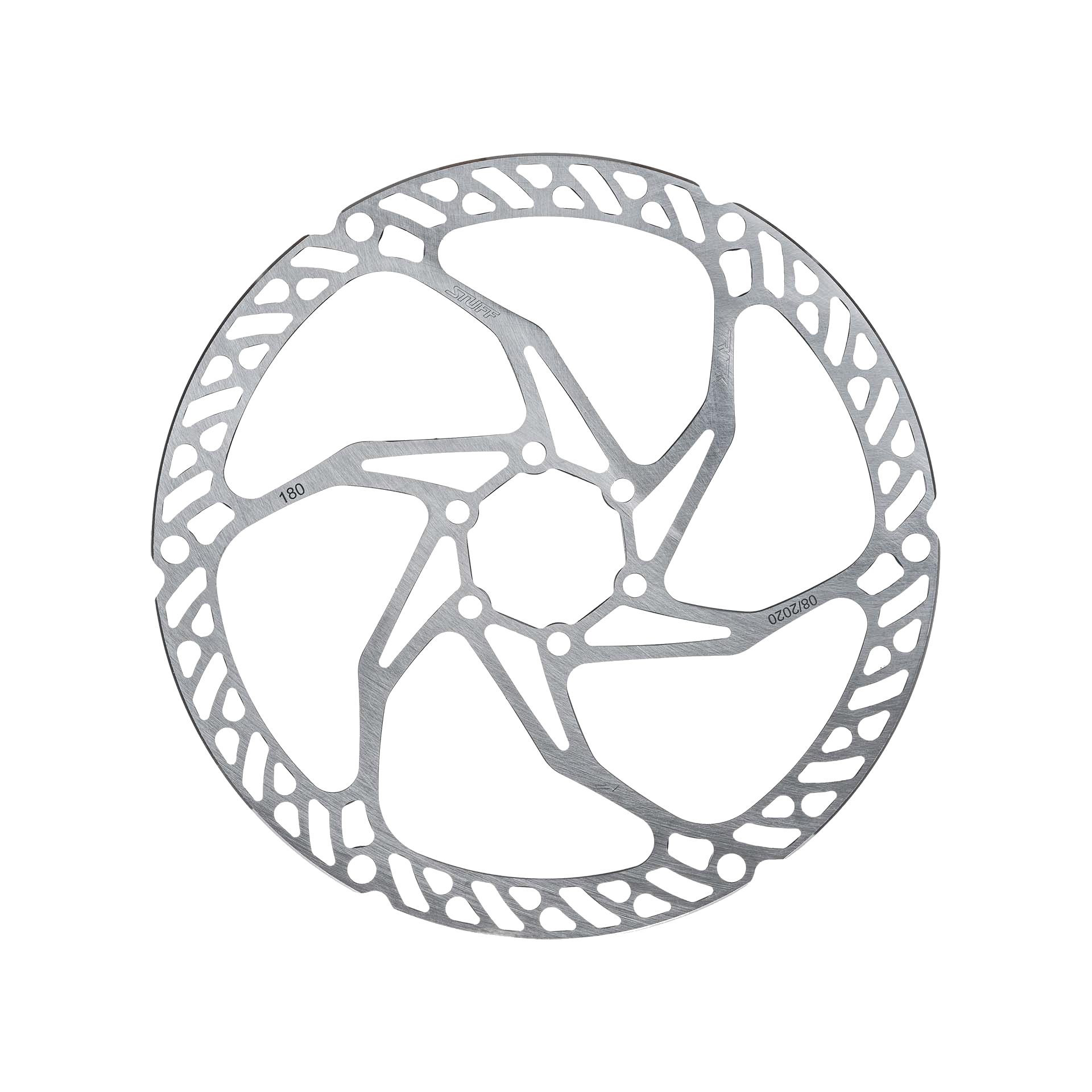
Dächle Disc UL
€34Ultralight rotor for climbers who still need to descend
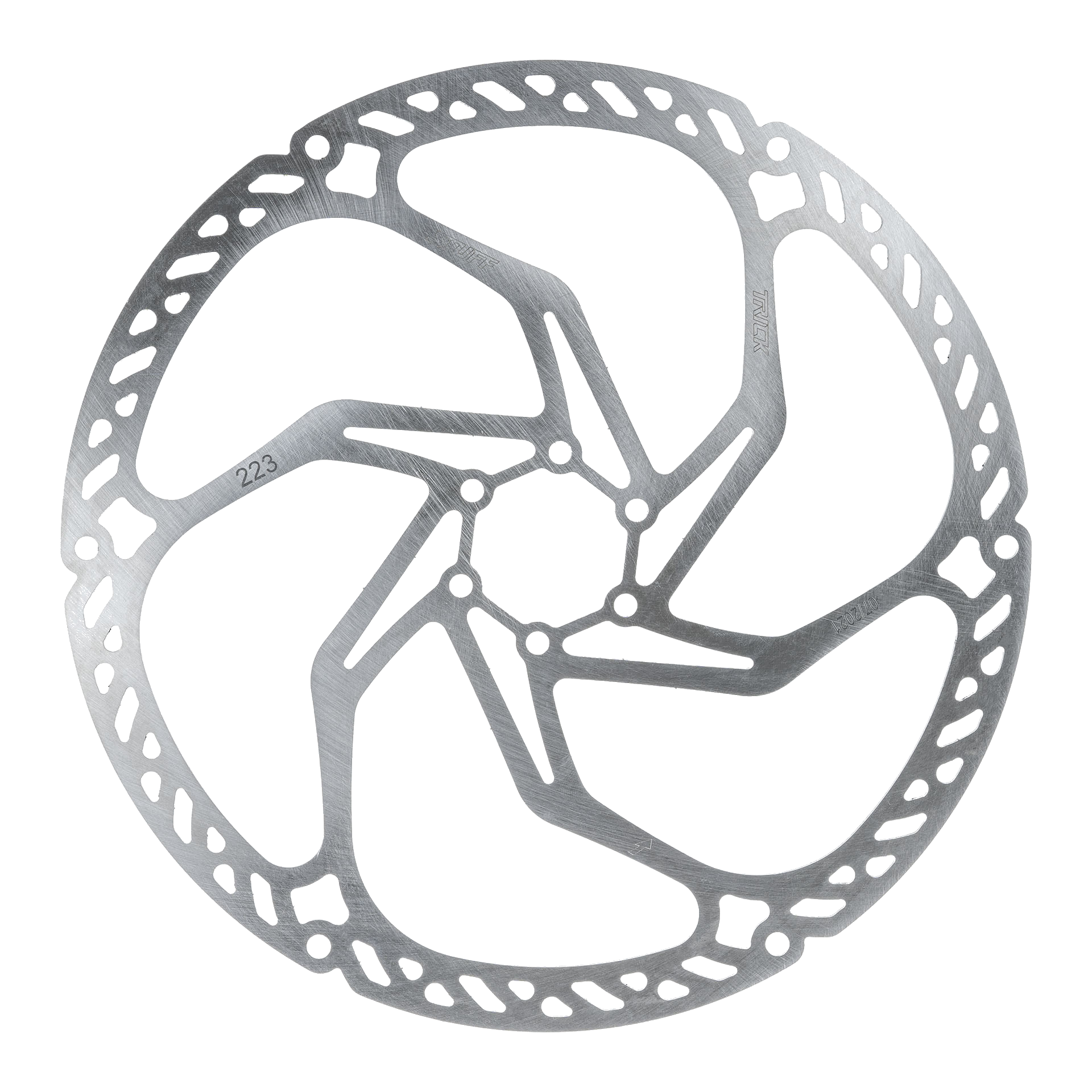
Downhill Disc
€74Full-throttle braking at 223mm
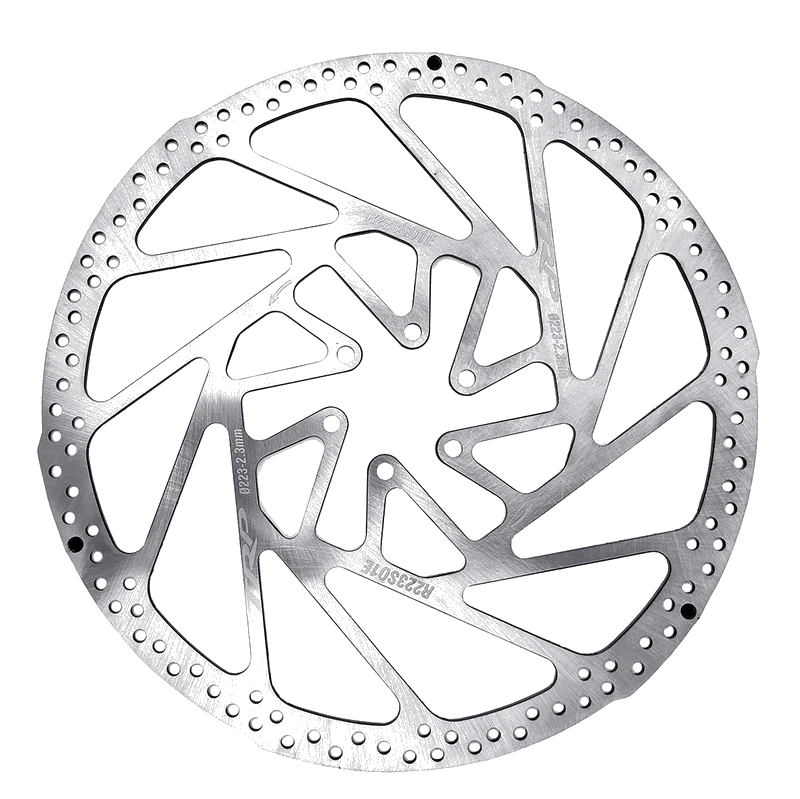
RS01E Rotor
€45Thick and Stable
Related guides
All guidesFrequently asked questions
How should you choose brake discs for enduro riding?
Start with terrain, target speed, and compatibility constraints. Then choose the level of support, stiffness, comfort, or power that actually fits your bike and riding style.
Do you need the most expensive option?
Not necessarily. The right choice is the one that delivers the performance, adjustment range, and reliability your riding actually uses. Mid-tier options often offer the best balance of cost, serviceability, and ride quality.
When should you optimize setup instead of replacing the component?
If your current part is compatible and mechanically healthy, better setup, pressure, bleeding, servicing, or cockpit tuning may solve the problem before a replacement is needed.