
Tires
Grip and control for any trail condition
How to choose the right tires
Tires for trail riding need to match terrain, speed, and the level of support or control you actually want. This page brings together 15 options from 4 brands so you can compare real differences in ride feel, reliability, and value.
Grip and control for any trail condition Observed pricing runs from about EUR 65 to EUR 80 depending on construction and tier.
Brand
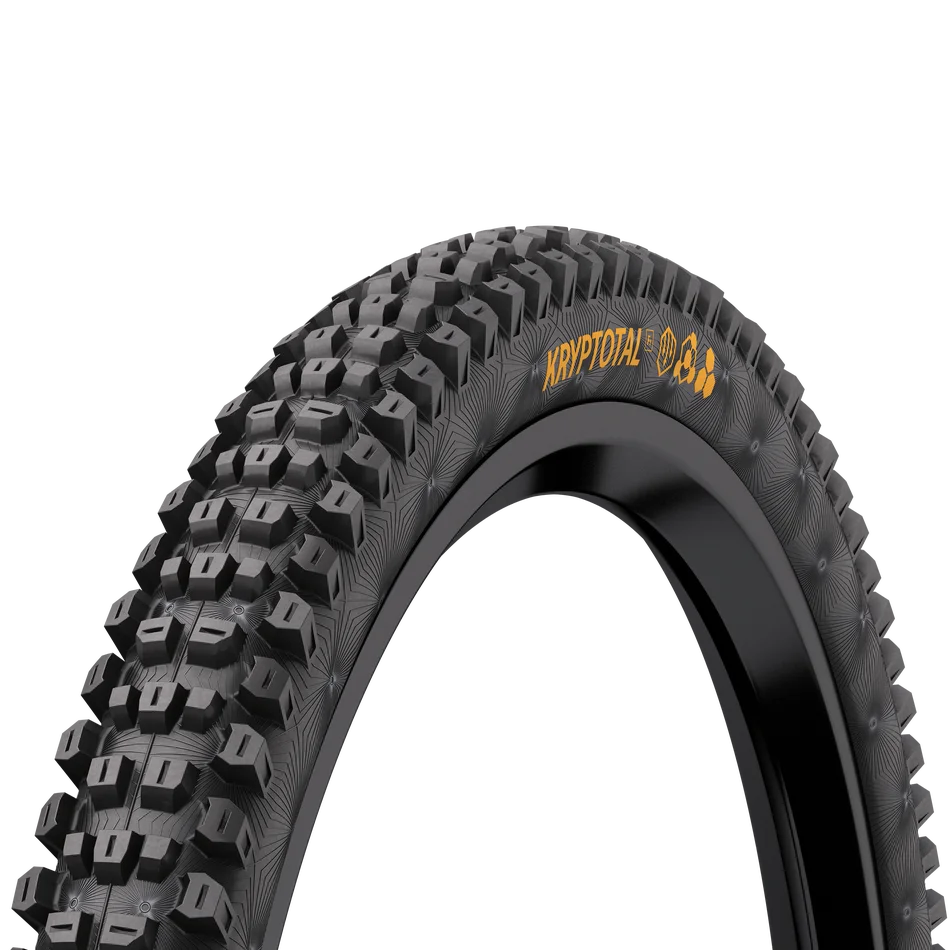
Kryptotal-Fr e-MTB
€75E25-rated durable front
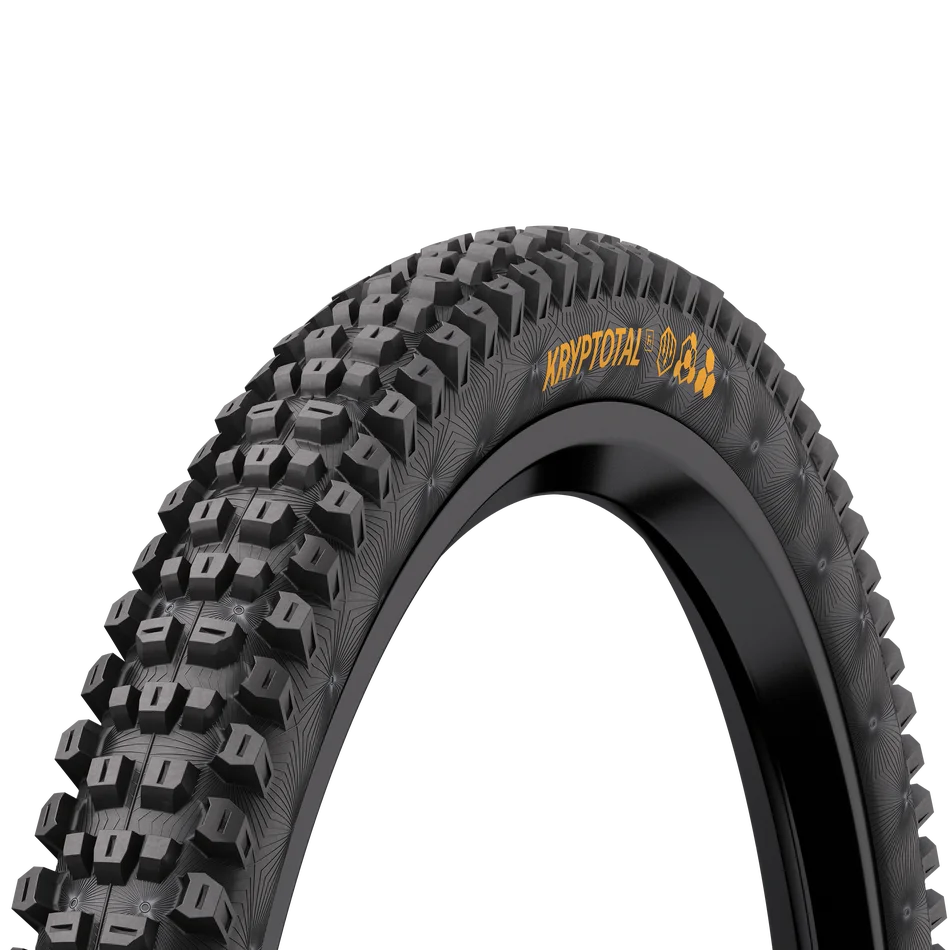
Kryptotal-Fr Trail
€69Specialist for mixed terrain
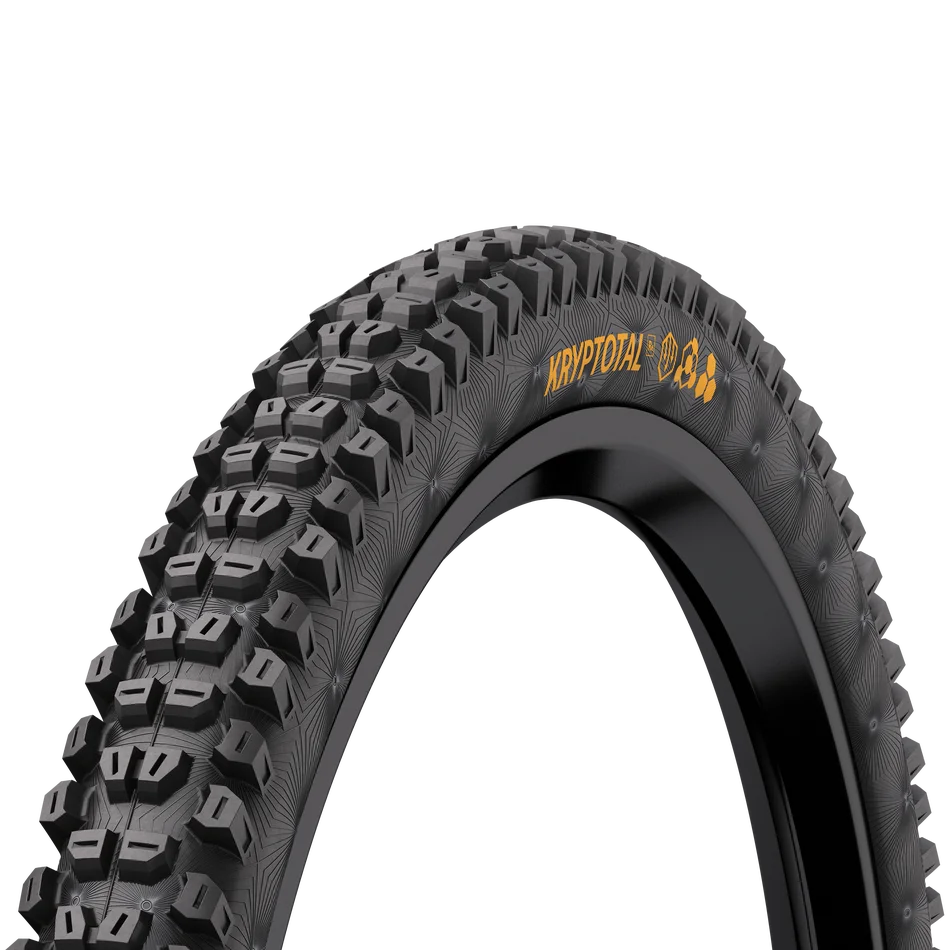
Kryptotal-Re e-MTB
€75E25-rated durable rear
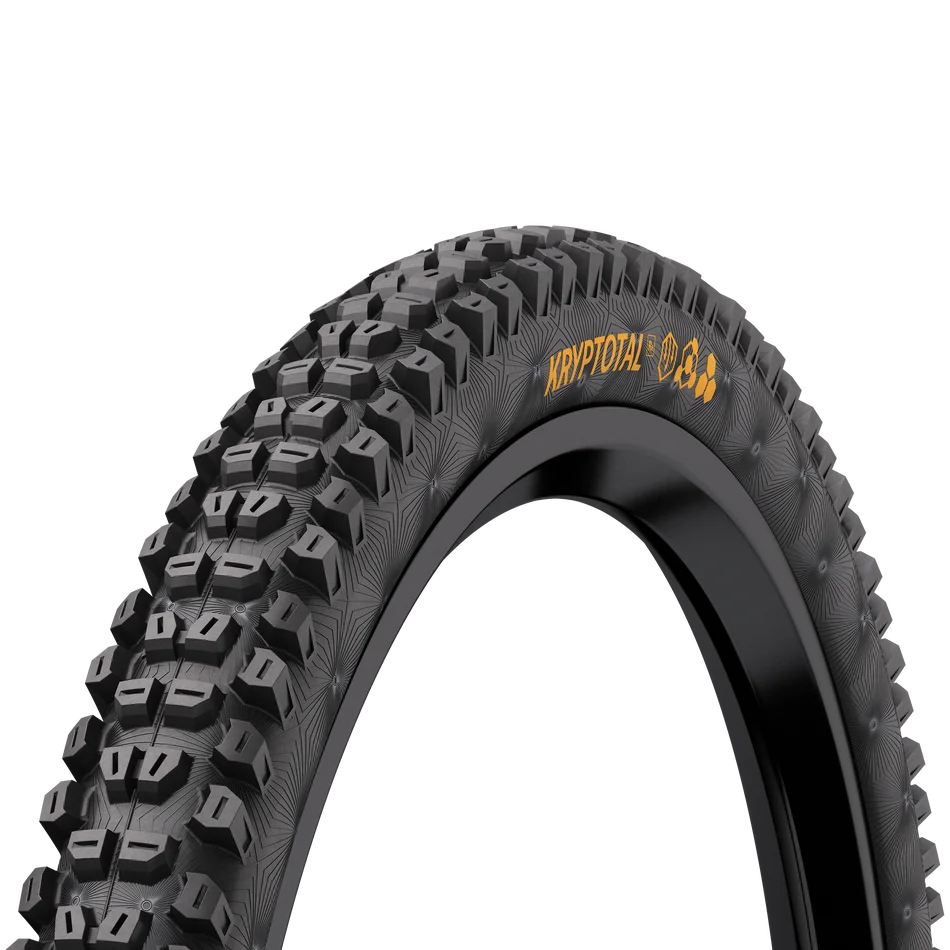
Kryptotal-Re Trail
€69Fast rolling rear specialist
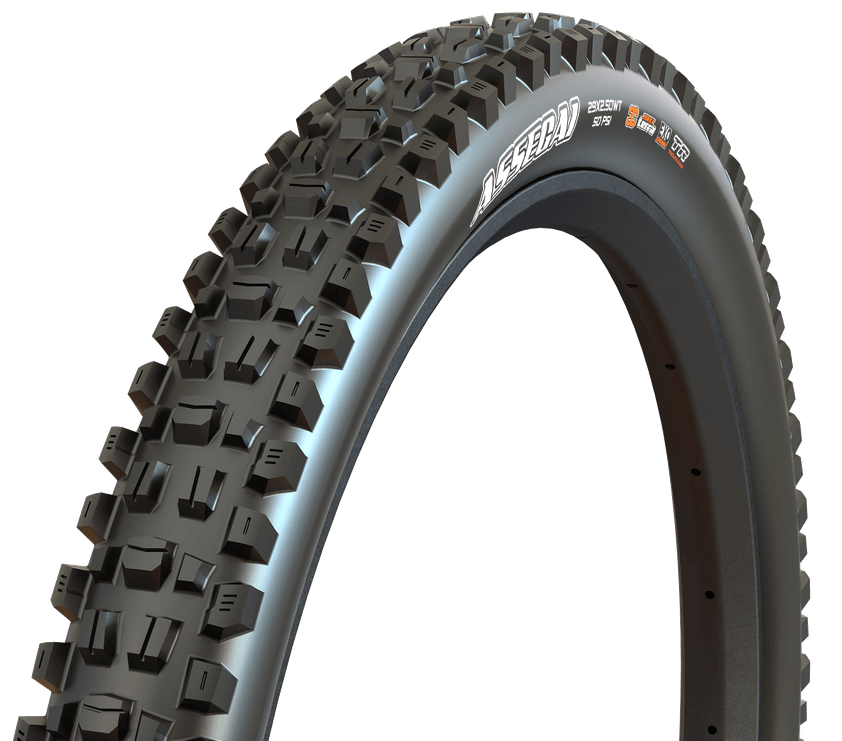
Assegai
€75Greg Minnaar's signature tire
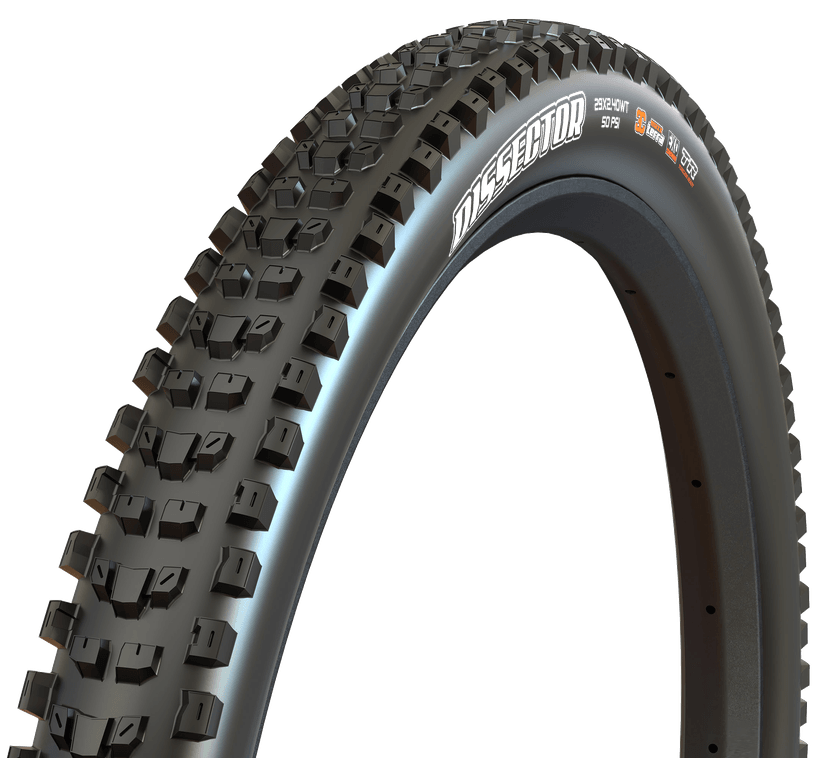
Dissector
€69Troy Brosnan's signature tire
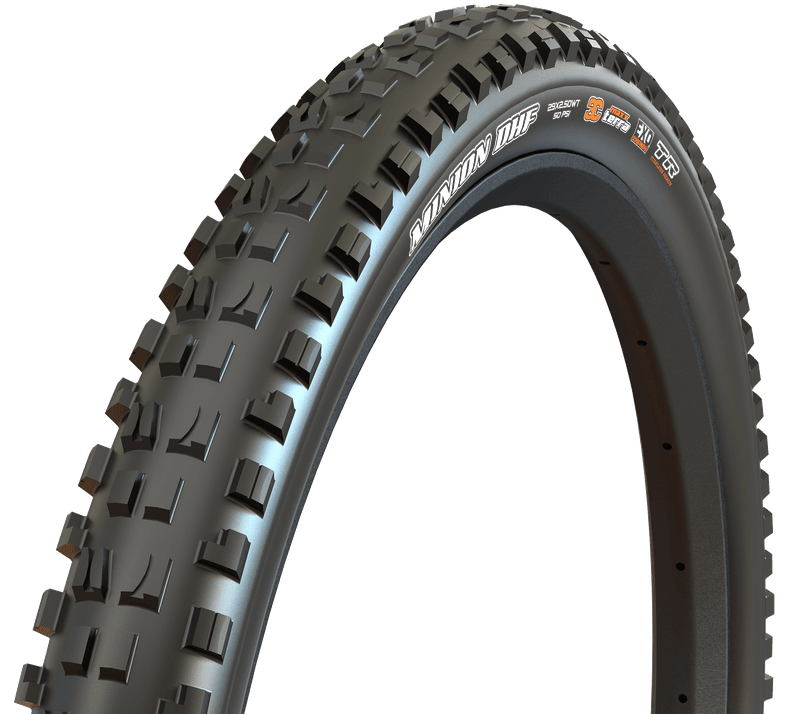
Minion DHF
€69The gold standard of mountain bike tires
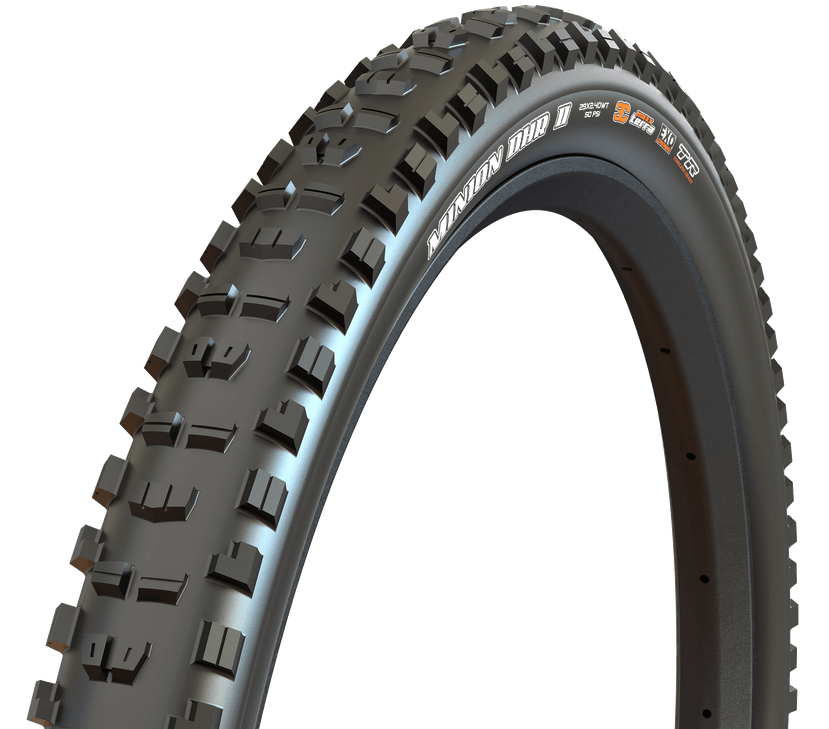
Minion DHR II
€69A perfect match to the DHF
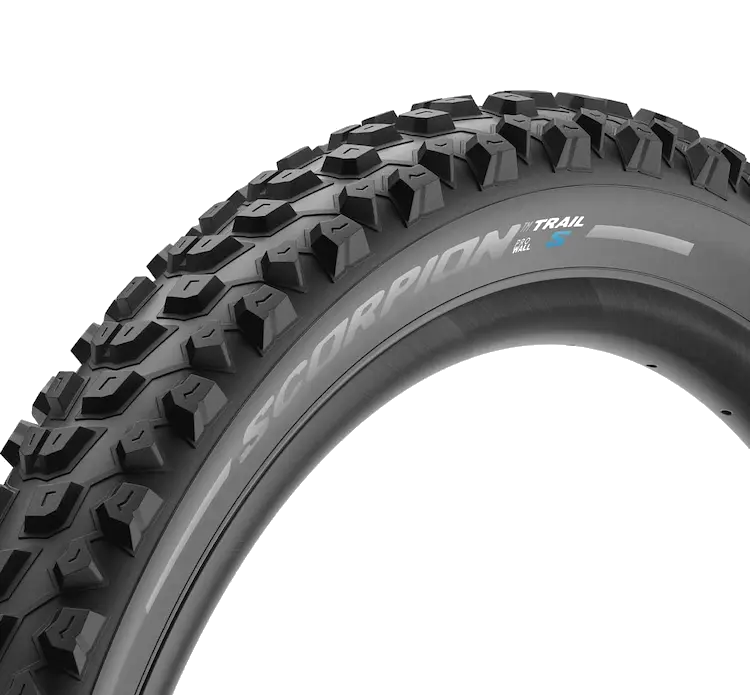
Scorpion Trail S
€65All-day trail grip with Italian compound technology.
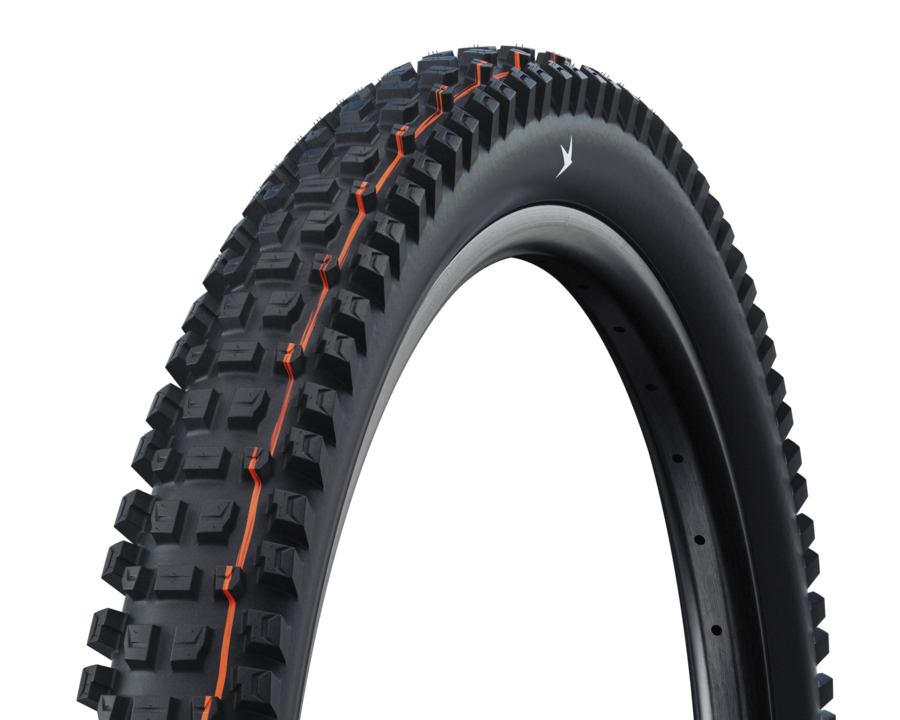
Albert
€73.9Guarantee for safety and control
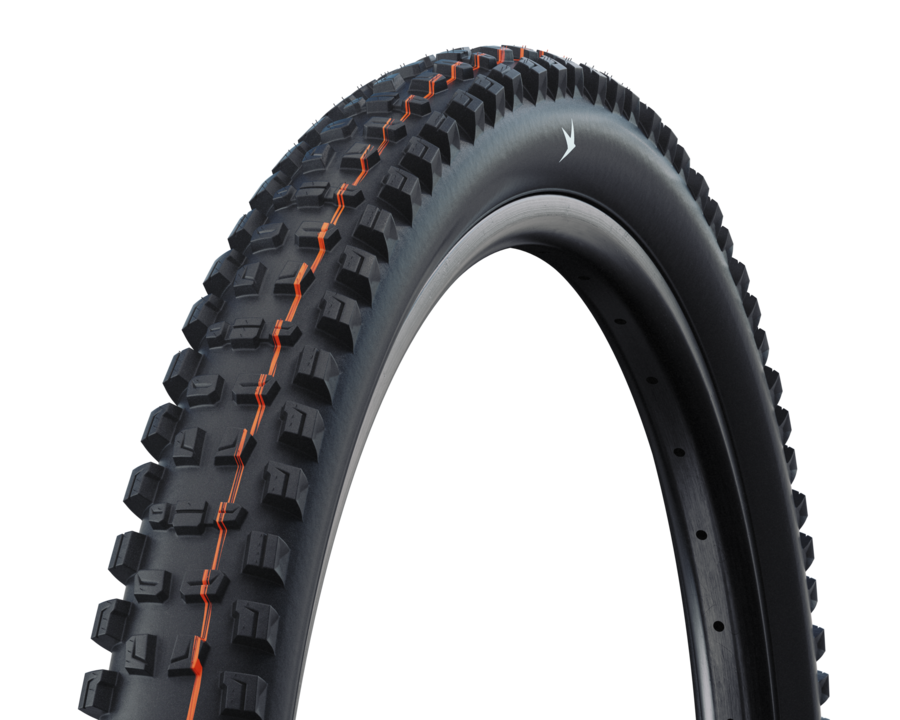
Romy Gravity Pro Radial
€79.9Radial all-round grip with maximum casing support
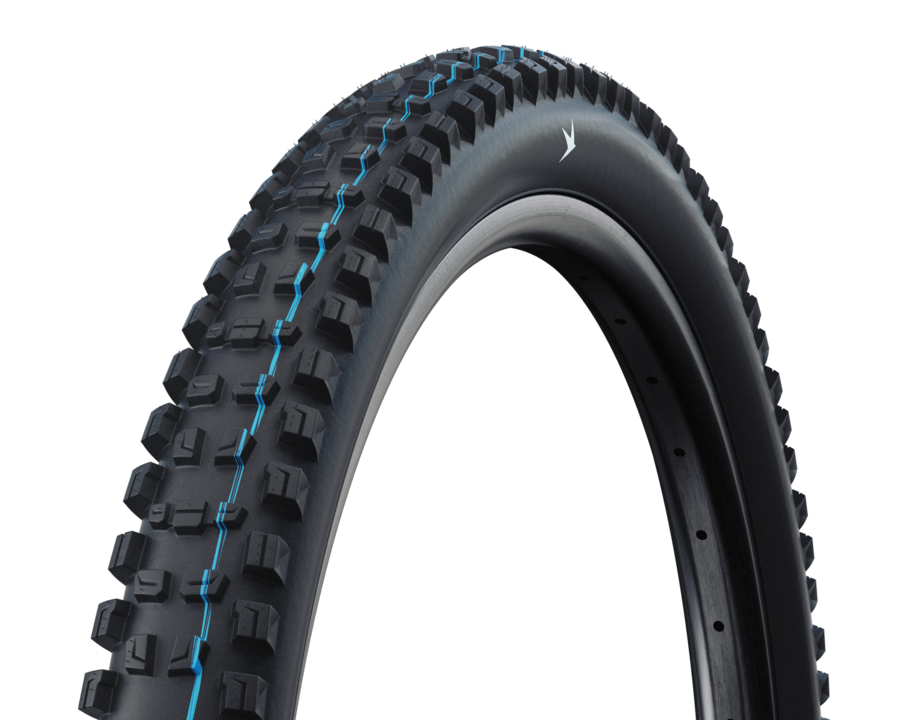
Romy Trail Pro Radial Mid
€74.9Fast, balanced radial trail all-rounder
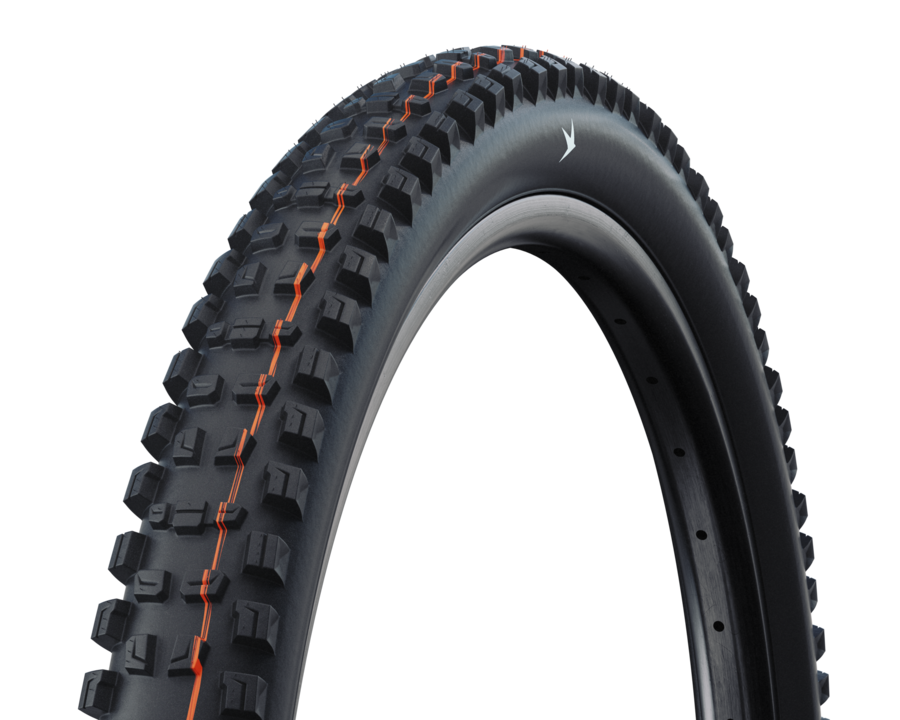
Romy Trail Pro Radial Soft
€74.9Trail-balance radial tire with extra-soft grip
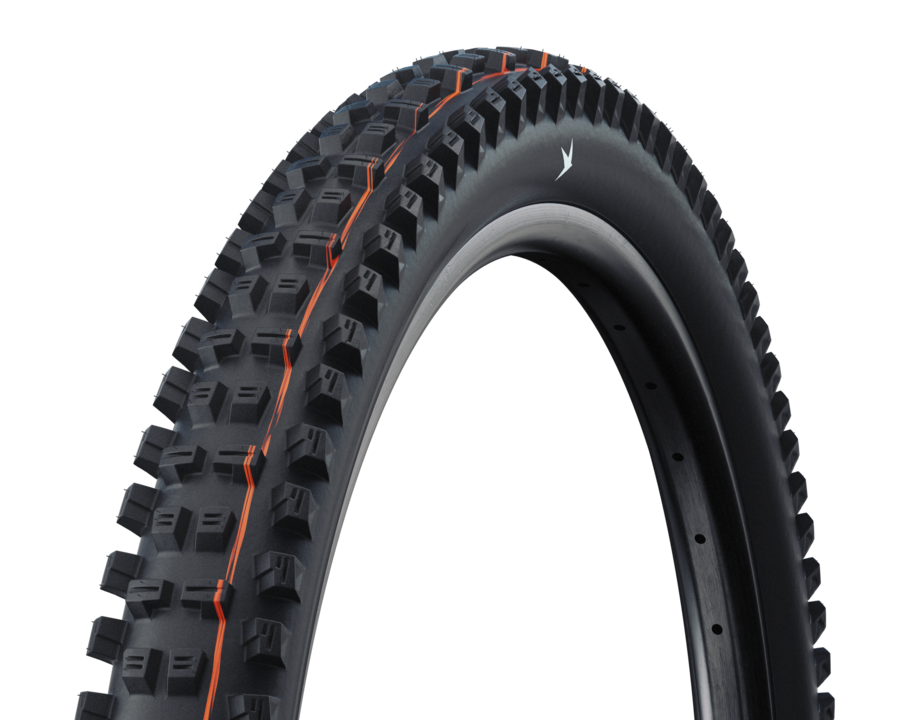
Tacky Chan Trail Pro Radial Soft
€74.9The most balanced radial Tacky Chan for trail and enduro use
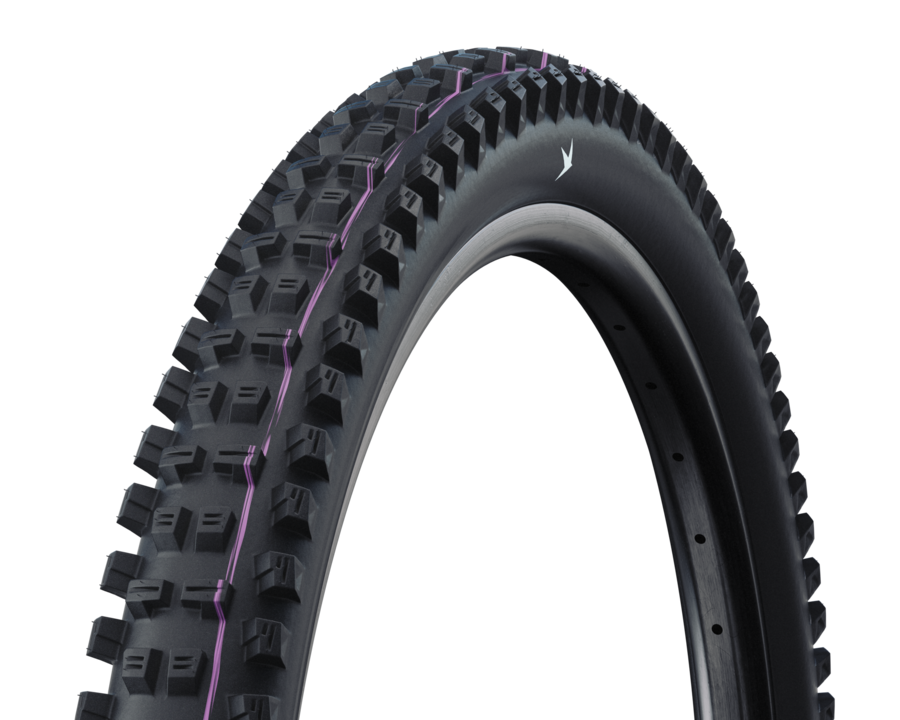
Tacky Chan Trail Pro Radial Ultra Soft
€74.9Lighter radial Tacky Chan with maximum soft-compound grip
Related guides
All guidesTire Selection & Setup
Choosing the right tread, compound, and pressure for your terrain.
Tire Inserts
When inserts help, what they cost in weight and feel, and how to choose the right level of support.
Tubeless Maintenance
Keeping your tubeless setup reliable and performing
Weather & Conditions Adaptation
Setup adjustments for wet, muddy, dry, and cold conditions — tires, suspension, drivetrain, and brakes.
Component Compatibility
Avoid expensive fit mistakes between forks, wheels, tires, and cockpit parts before you buy.
Frequently asked questions
How should you choose tires for trail riding?
Start with terrain, target speed, and compatibility constraints. Then choose the level of support, stiffness, comfort, or power that actually fits your bike and riding style.
Do you need the most expensive option?
Not necessarily. The right choice is the one that delivers the performance, adjustment range, and reliability your riding actually uses. Mid-tier options often offer the best balance of cost, serviceability, and ride quality.
When should you optimize setup instead of replacing the component?
If your current part is compatible and mechanically healthy, better setup, pressure, bleeding, servicing, or cockpit tuning may solve the problem before a replacement is needed.