
Brakes
Reliable stopping power for confident riding
How to choose the right brakes
Brakes for trail riding need to match terrain, speed, and the level of support or control you actually want. This page brings together 16 options from 7 brands so you can compare real differences in ride feel, reliability, and value.
Reliable stopping power for confident riding Observed pricing runs from about EUR 134 to EUR 550 depending on construction and tier.
Brand
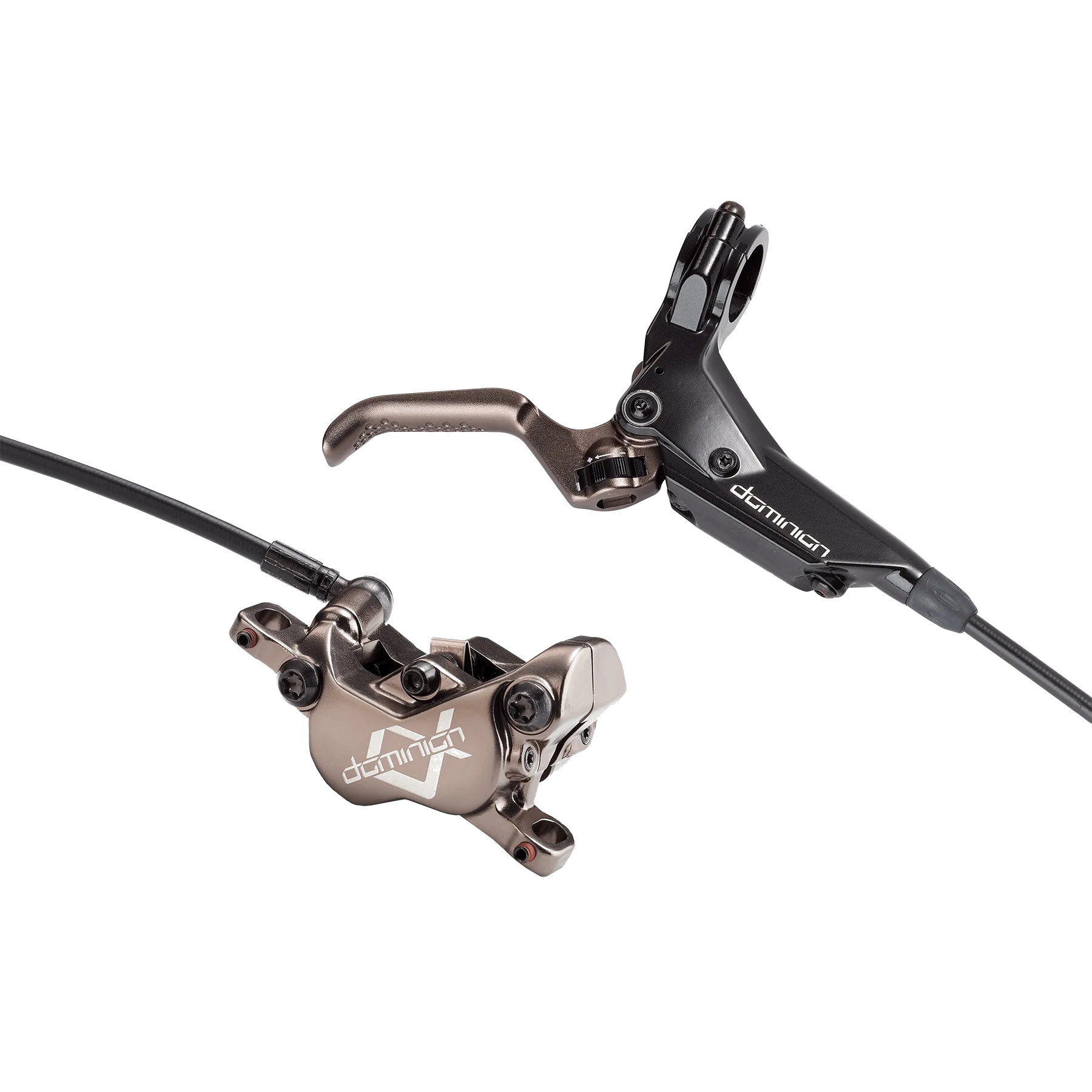
Dominion A4
€278Award-winning 4-piston power with elite modulation
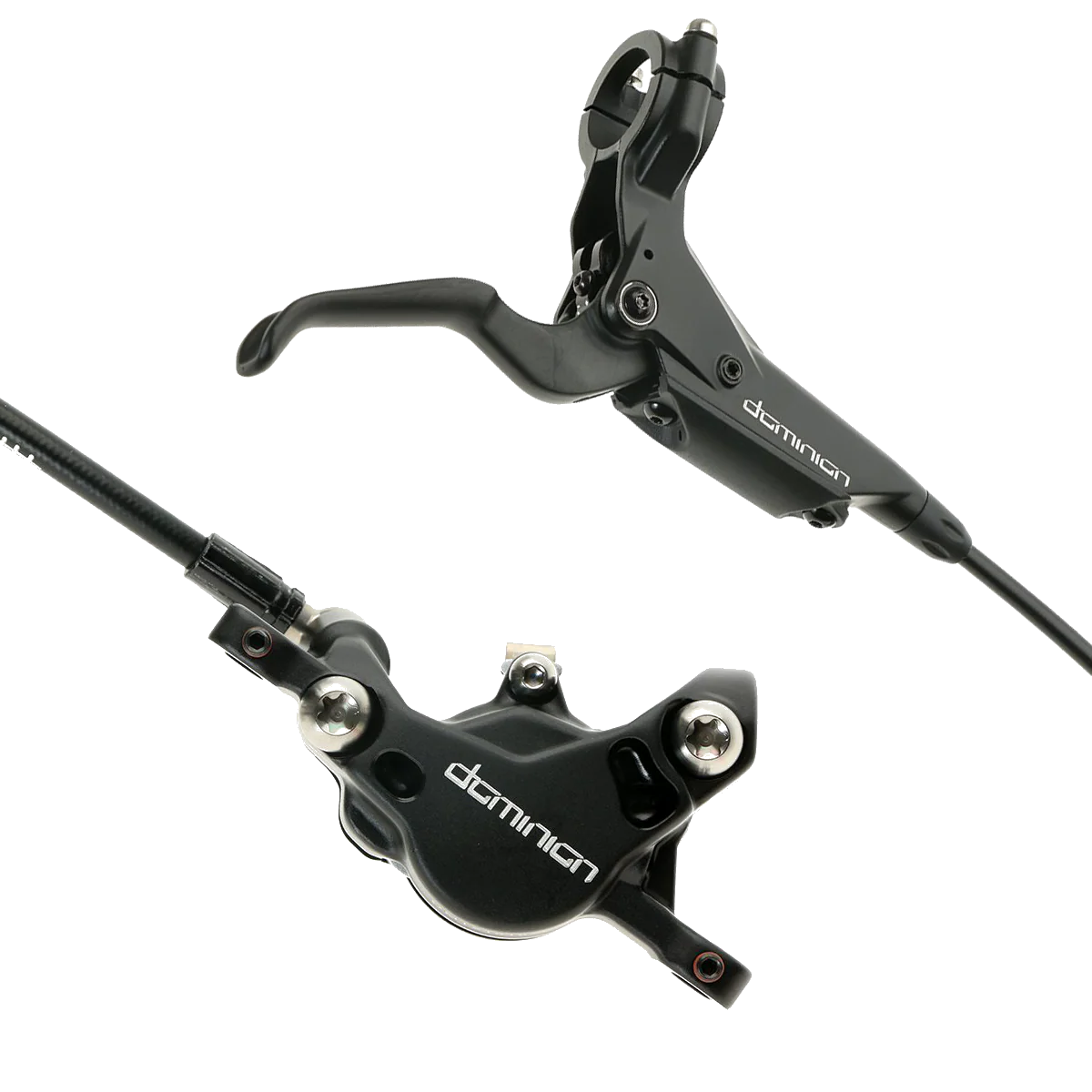
Dominion T2
€388Titanium and carbon premium brake for XC and trail
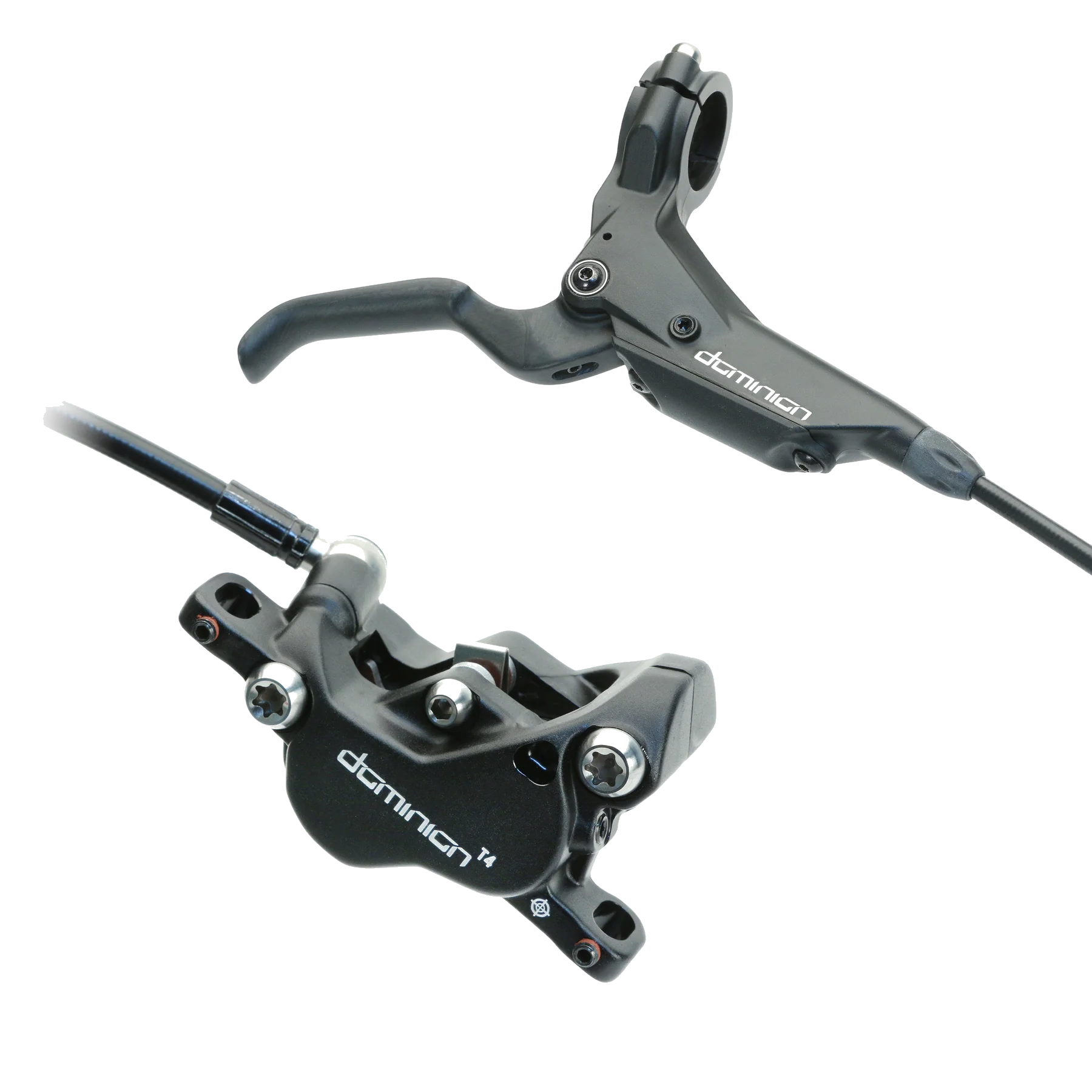
Dominion T4
€388Four-piston power in a titanium and carbon premium chassis
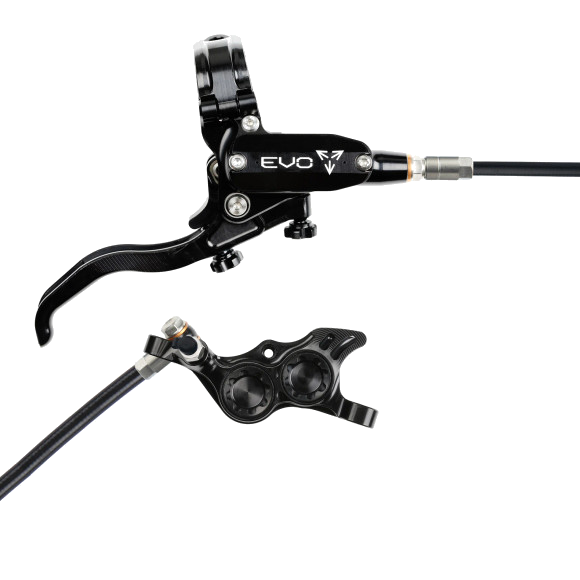
Tech Evo TR4
€290Next-generation trail brake
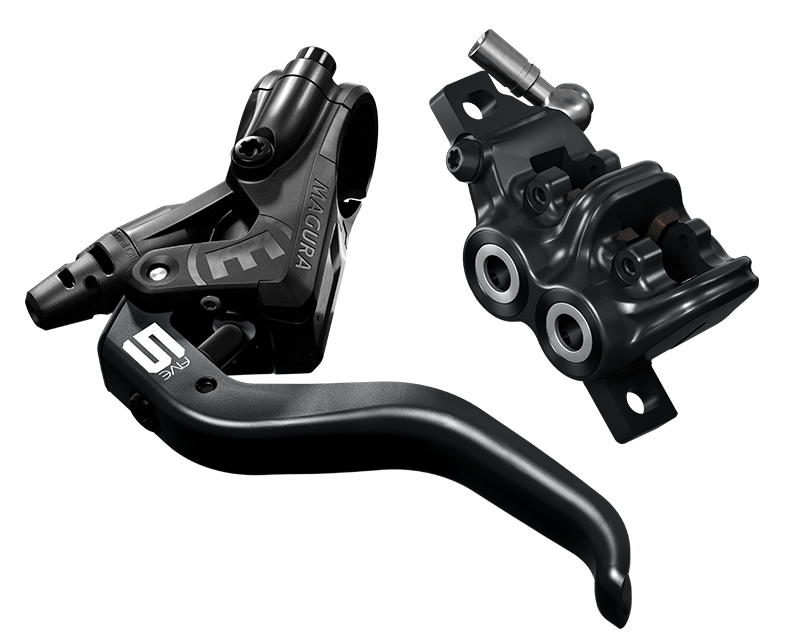
MT5
€133.9Reliable 4-piston trail brake
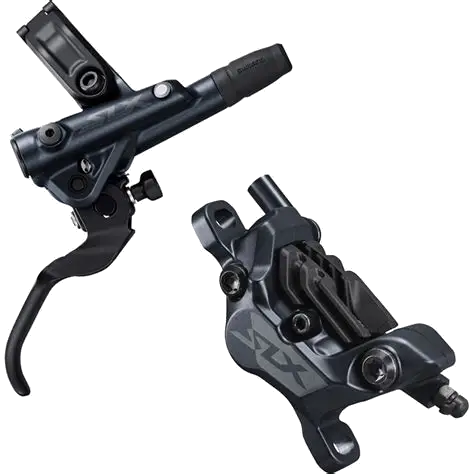
SLX M7120
€159Stable and versatile 4-piston brake
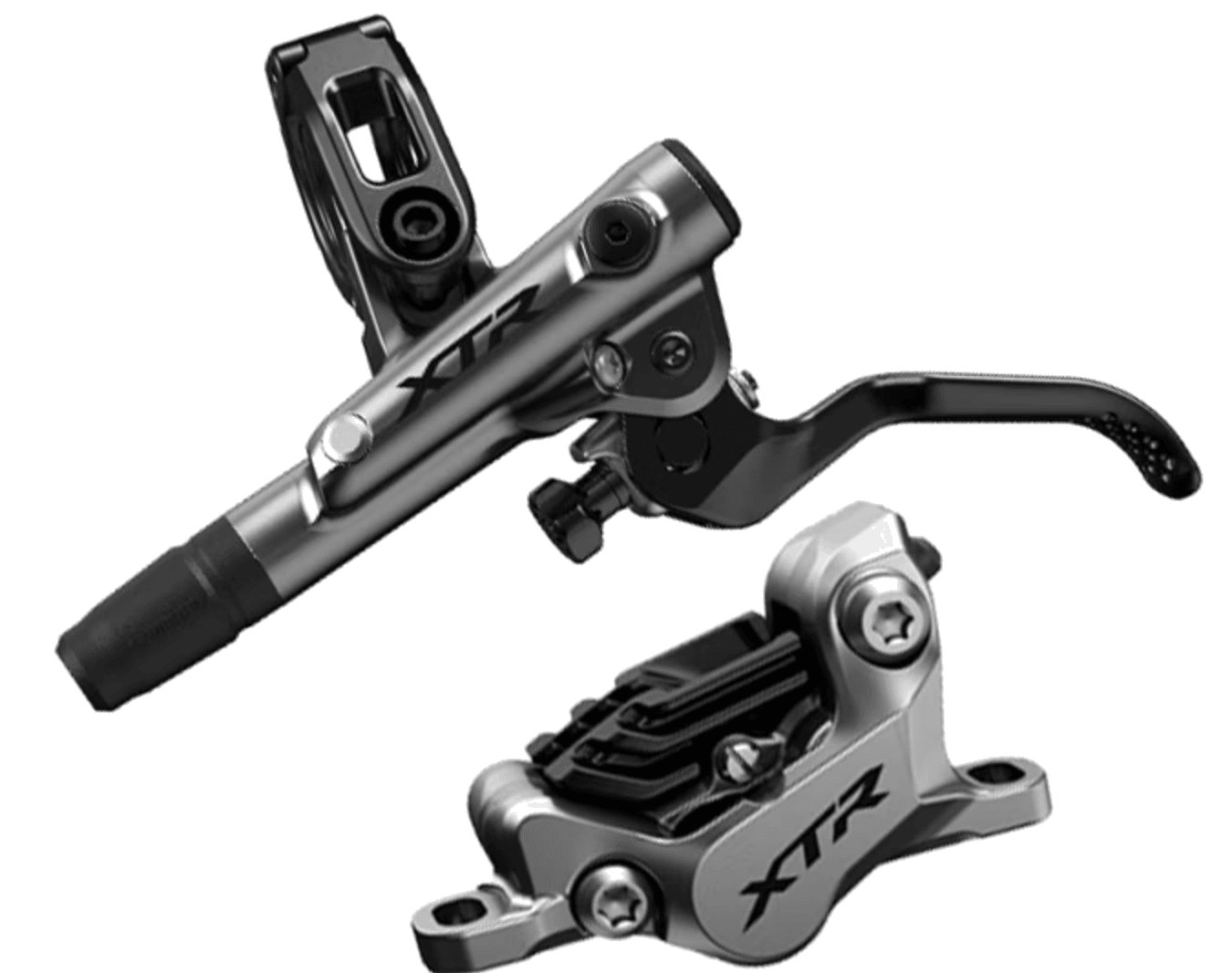
XTR M9120
€269Ultimate 4-piston race brake
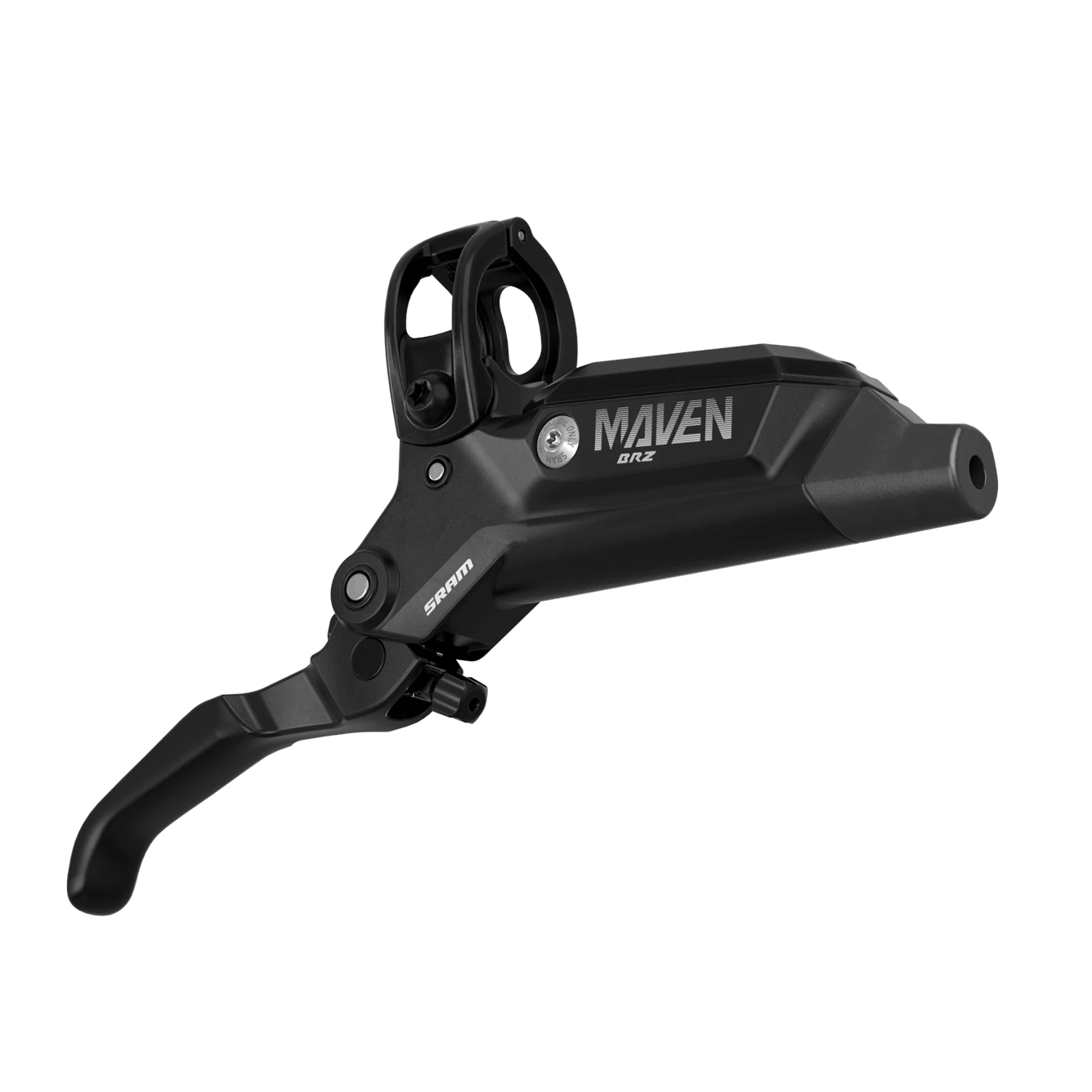
Maven Bronze B1
€200Entry-tier Maven, maximum power
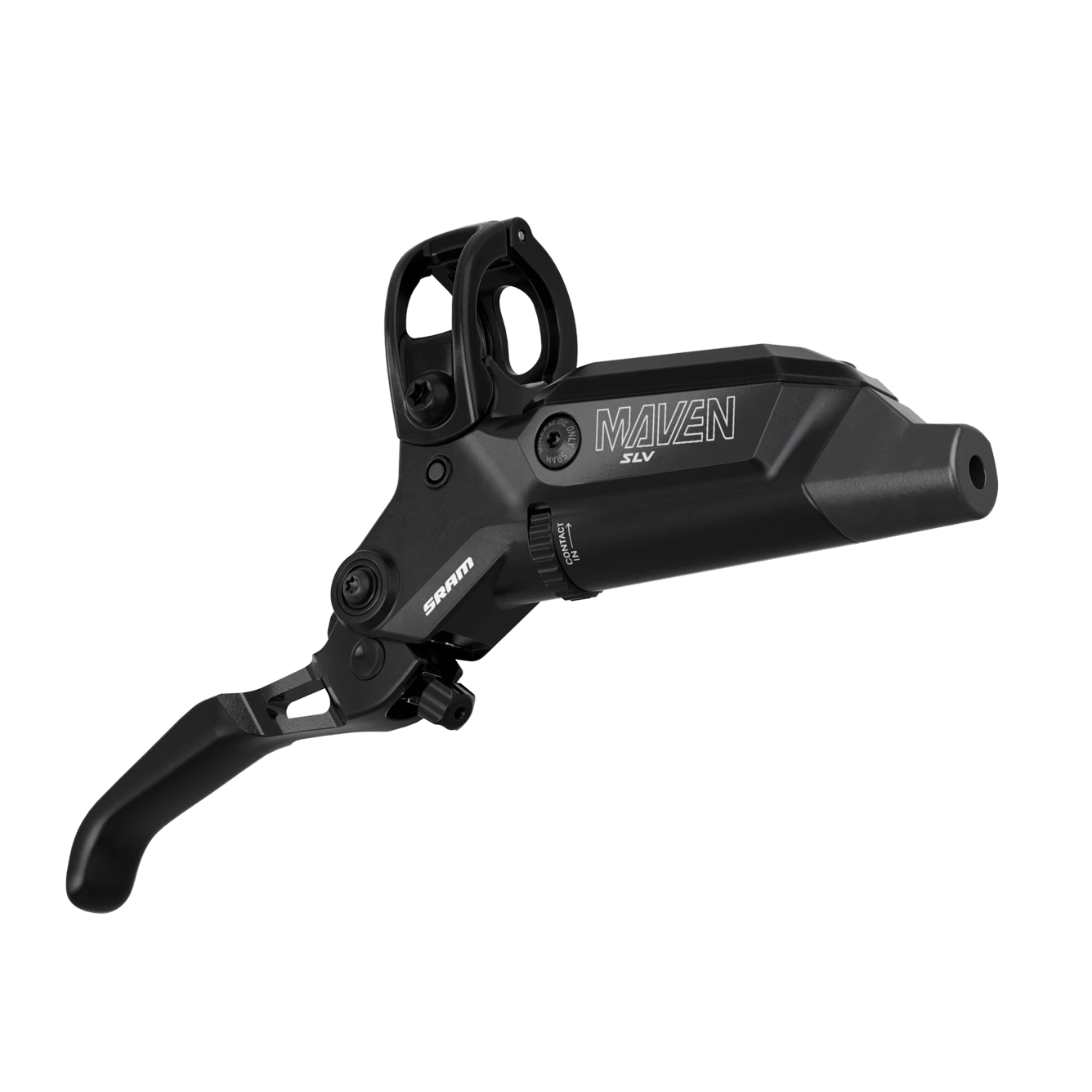
Maven Silver B1
€290Mid-tier Maven with Contact Point Adjust
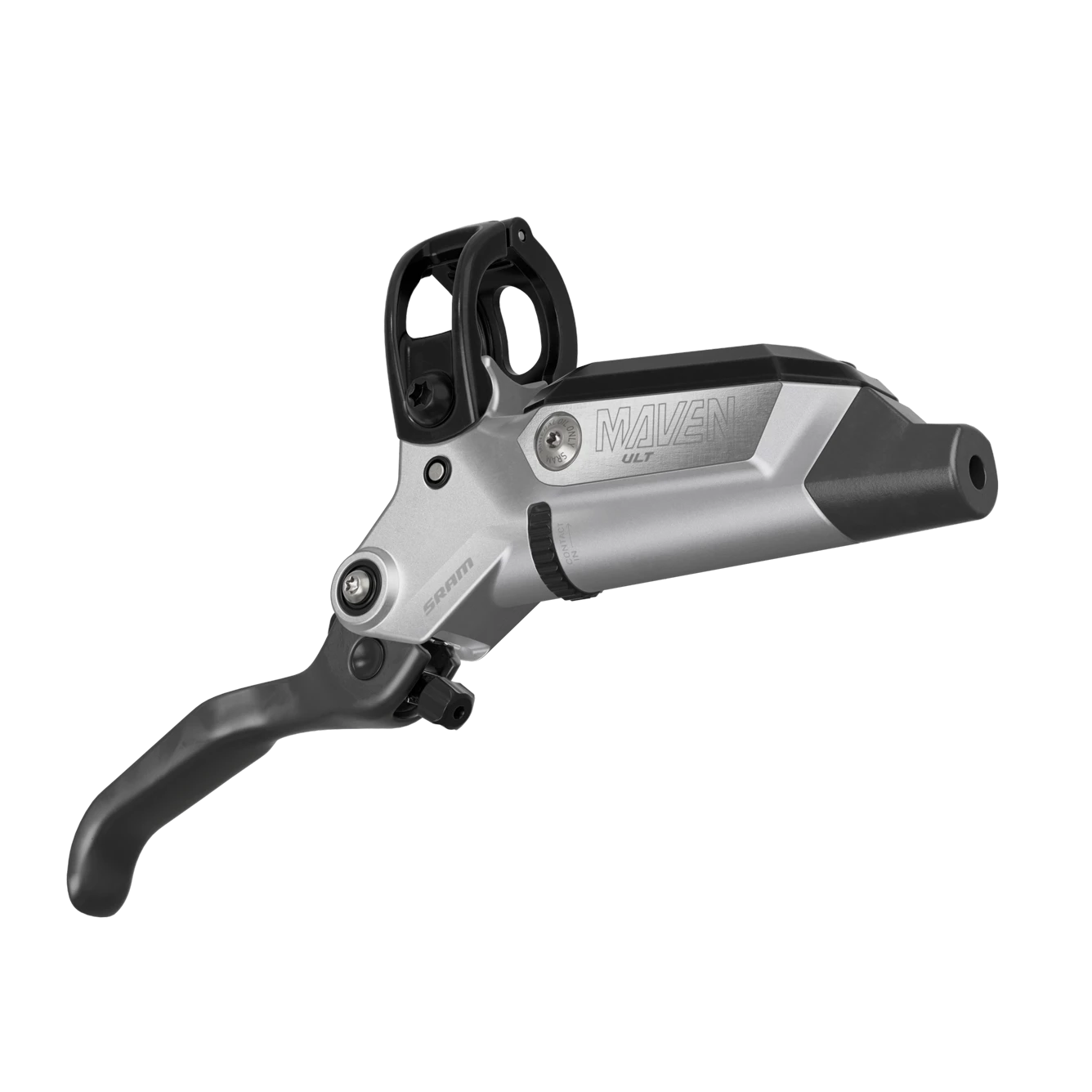
Maven Ultimate B1
€325The pinnacle of Maven — redesigned
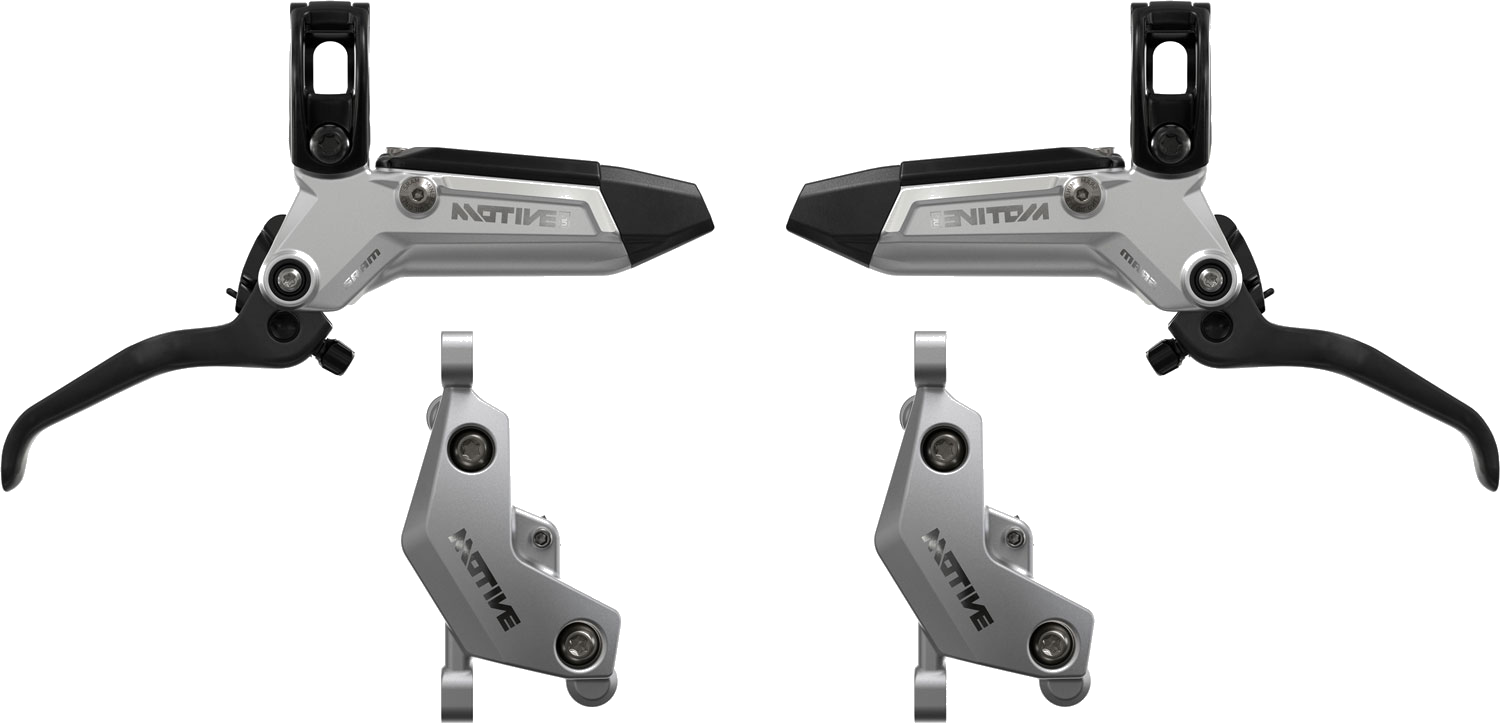
Motive
€300Heavy-duty power in a modern XC package
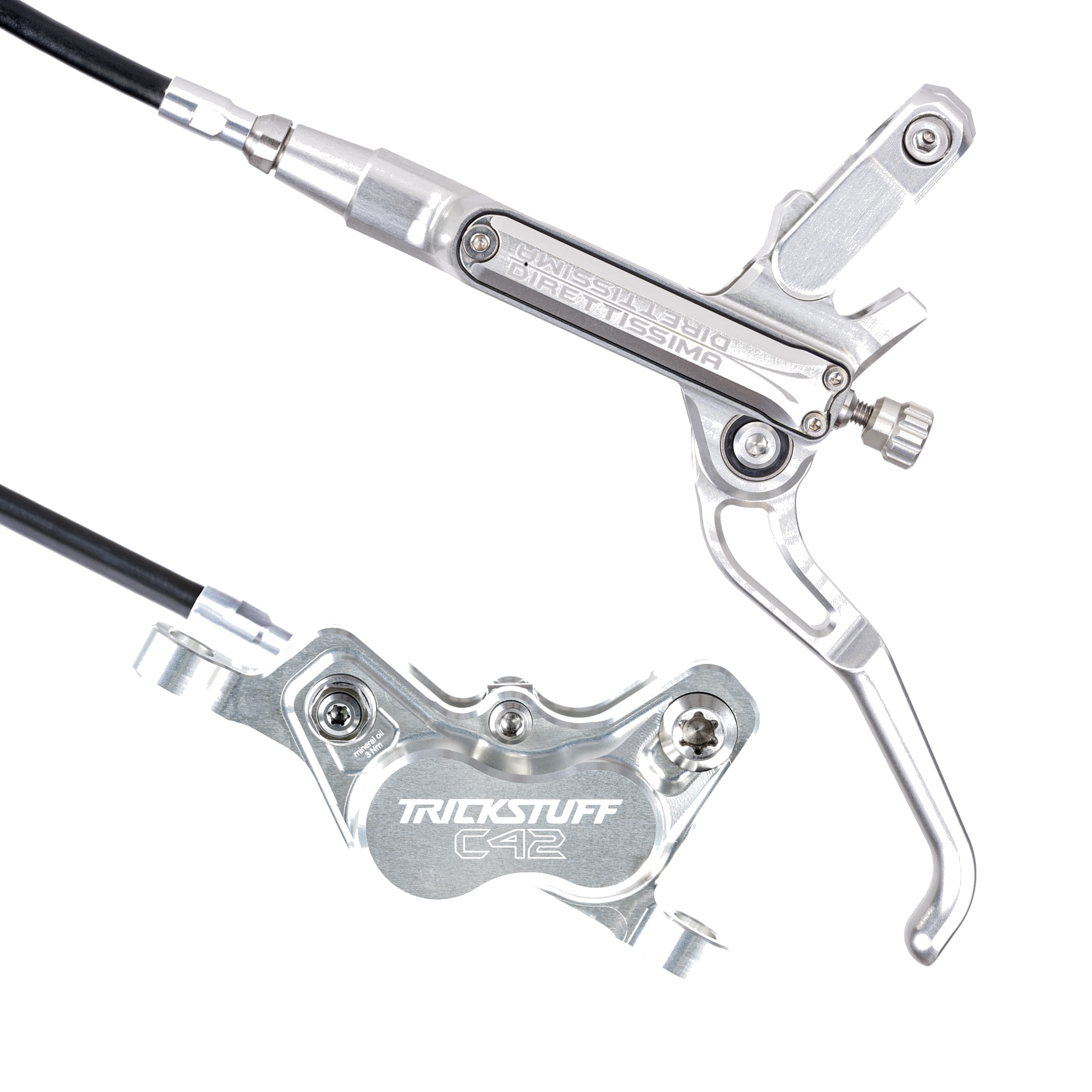
Direttissima
€550Crisp bite point and precision for direct lines
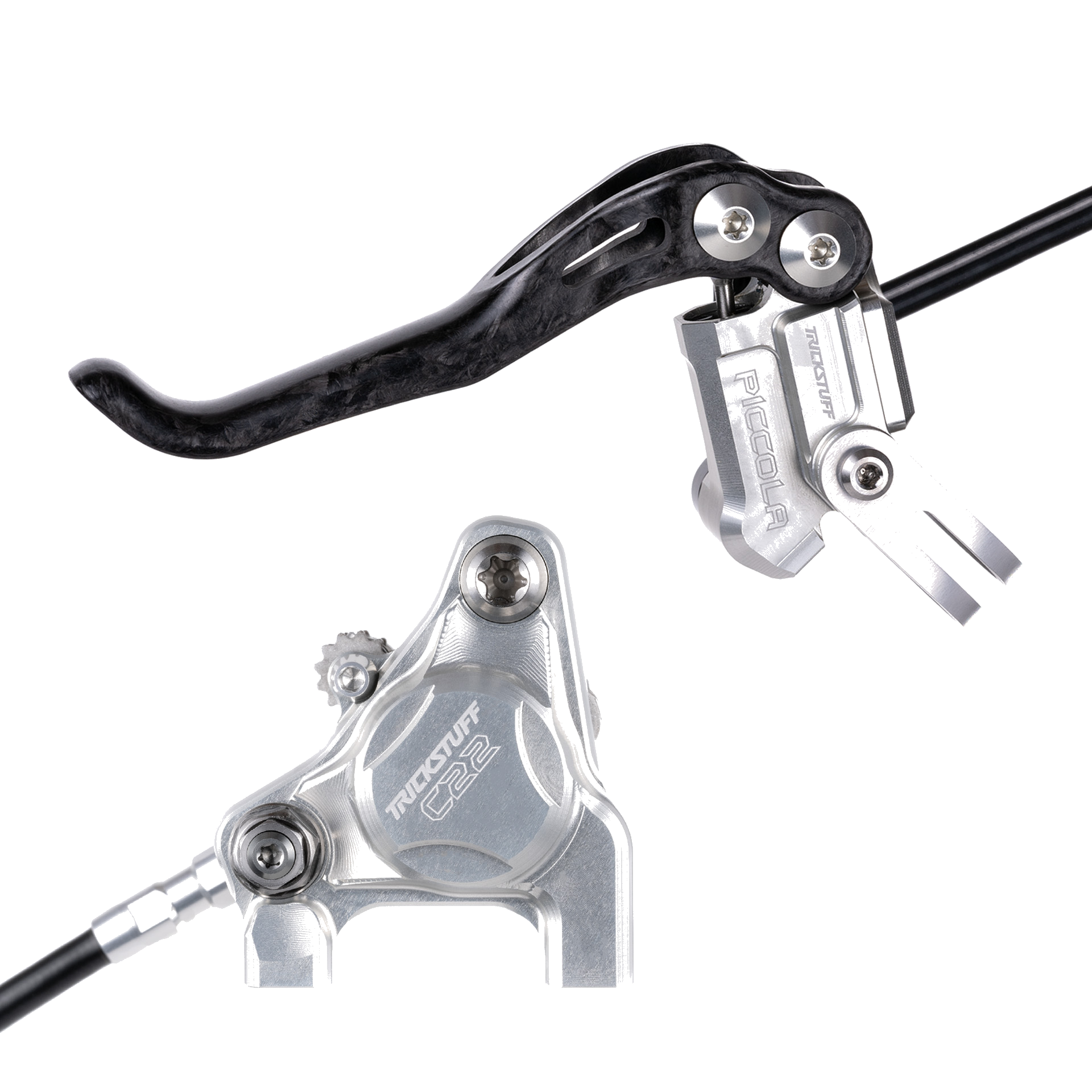
Piccola Carbon
€550The lightest brake with serious stopping power
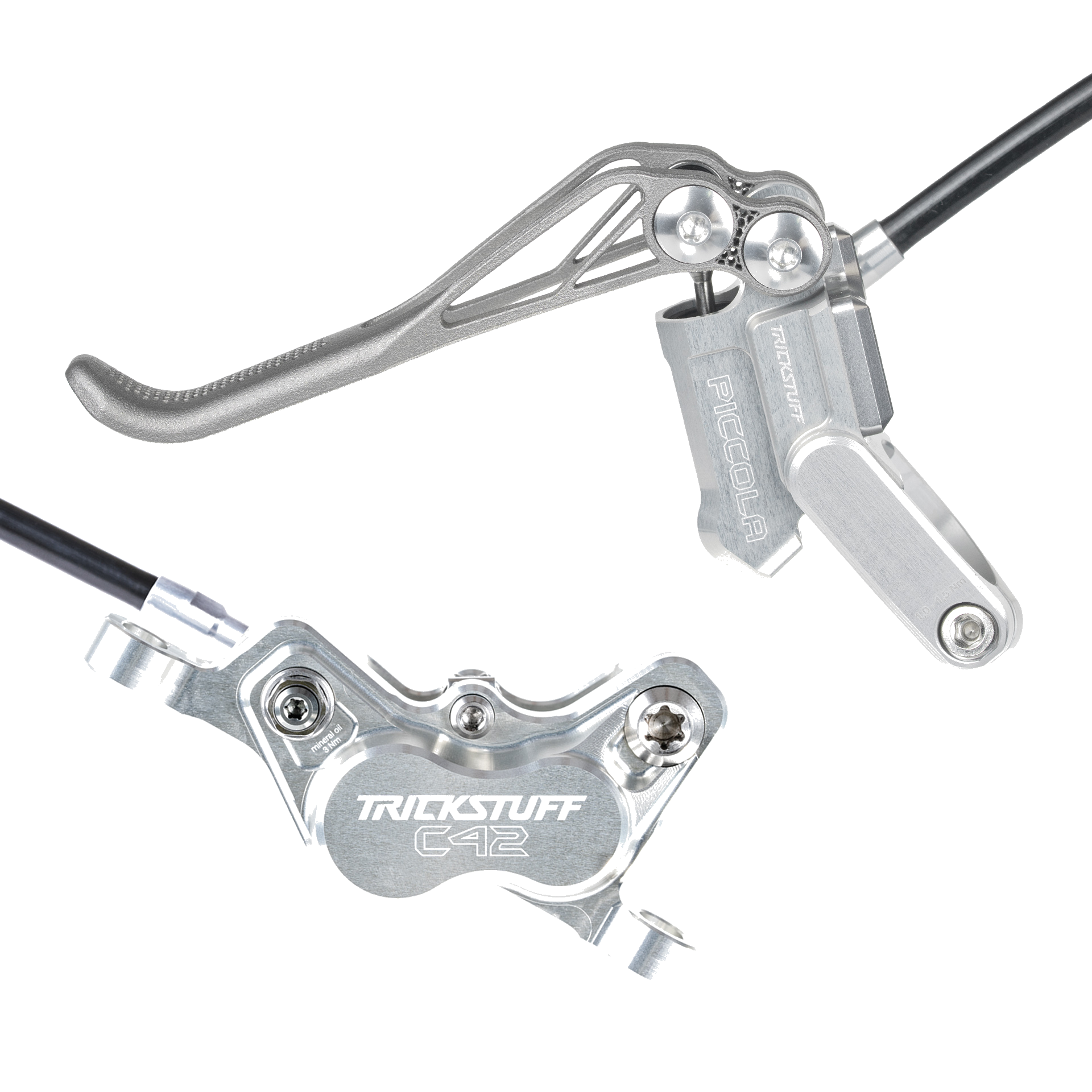
Piccola HD Titanium
€550Go anywhere power with featherlight titanium levers
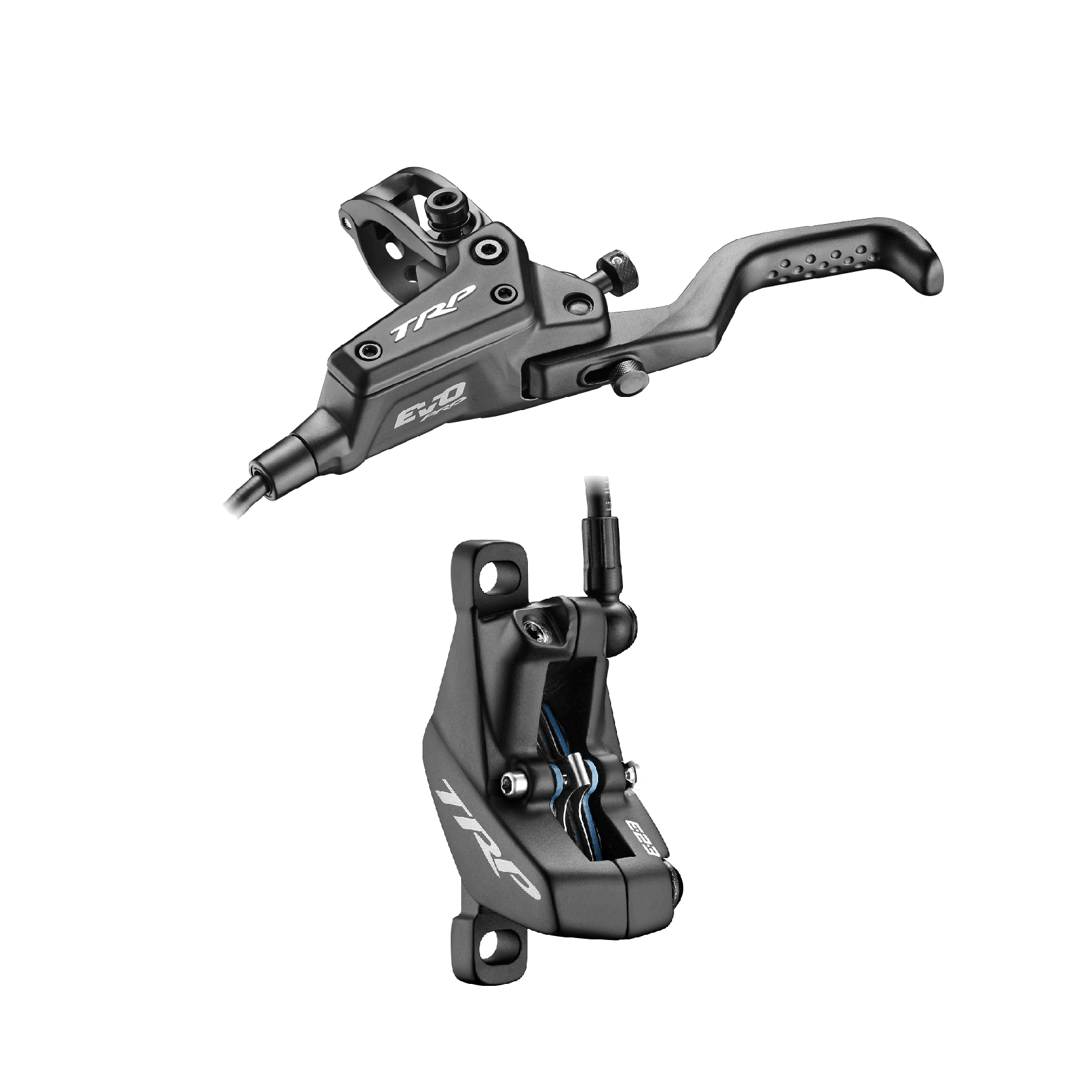
EVO PRO
€320Race-ready performance for extreme conditions
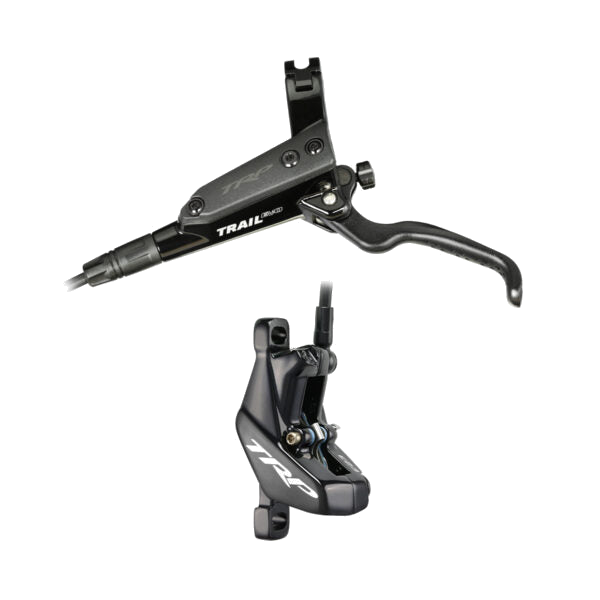
Trail EVO
€199Engineered for modern trail bikes and e-MTB
Related guides
All guidesBrake Bed-in
The essential process for achieving maximum braking power.
Brake Bleeding
System-specific bleed procedures for Shimano, SRAM, and Magura — eliminate lever sponginess and restore full power.
Weather & Conditions Adaptation
Setup adjustments for wet, muddy, dry, and cold conditions — tires, suspension, drivetrain, and brakes.
Frequently asked questions
How should you choose brakes for trail riding?
Start with terrain, target speed, and compatibility constraints. Then choose the level of support, stiffness, comfort, or power that actually fits your bike and riding style.
Do you need the most expensive option?
Not necessarily. The right choice is the one that delivers the performance, adjustment range, and reliability your riding actually uses. Mid-tier options often offer the best balance of cost, serviceability, and ride quality.
When should you optimize setup instead of replacing the component?
If your current part is compatible and mechanically healthy, better setup, pressure, bleeding, servicing, or cockpit tuning may solve the problem before a replacement is needed.