
Forks
Front suspension optimized for your terrain and riding style
How to choose the right forks
Forks for gravity riding need to match terrain, speed, and the level of support or control you actually want. This page brings together 13 options from 4 brands so you can compare real differences in ride feel, reliability, and value.
Front suspension optimized for your terrain and riding style Observed pricing runs from about EUR 1199 to EUR 2499 depending on construction and tier.
Brand
Travel
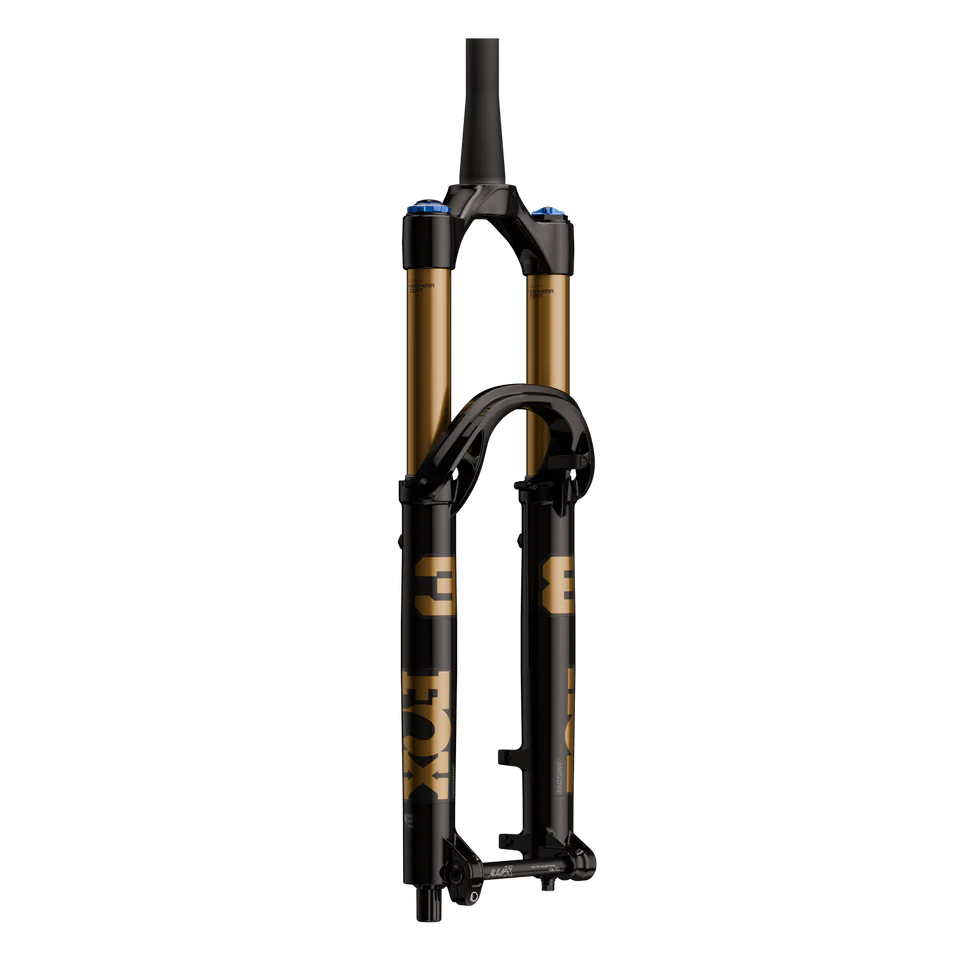
38 Factory
€1199The hard-hitting long-travel enduro specialist
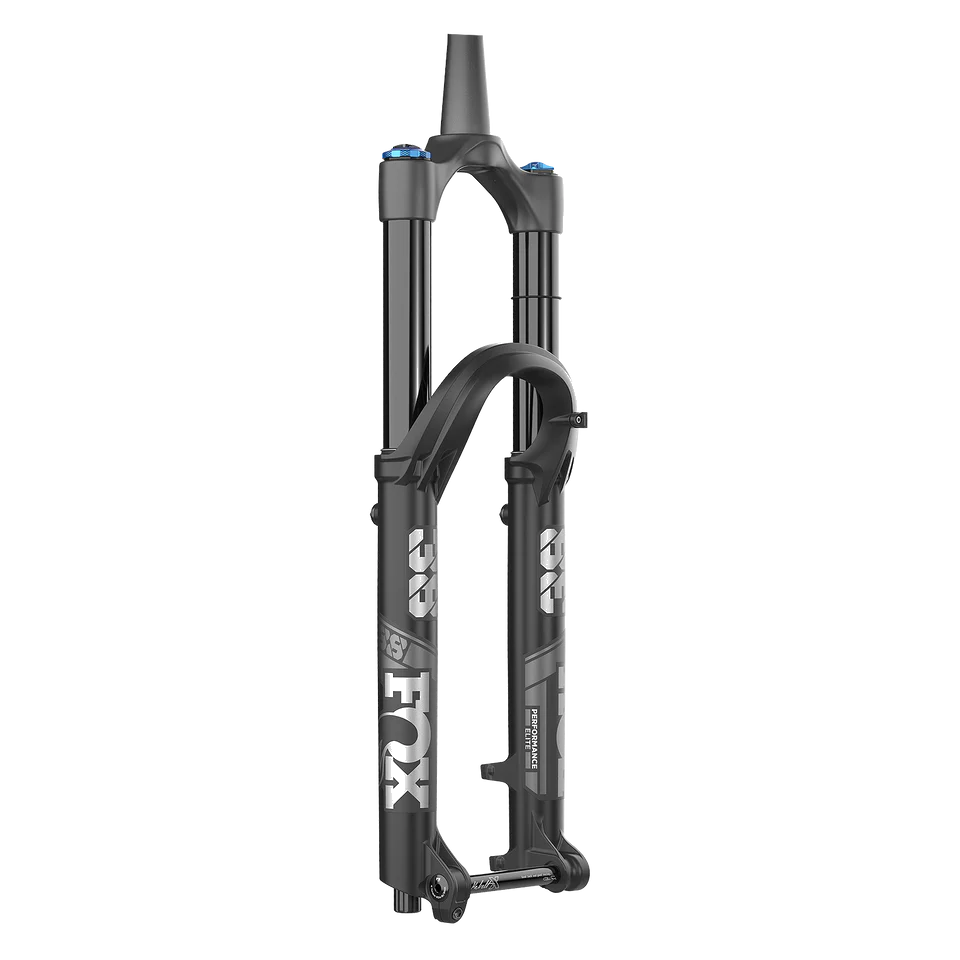
38 Performance Elite
€1349Factory-level performance with a stealthy look
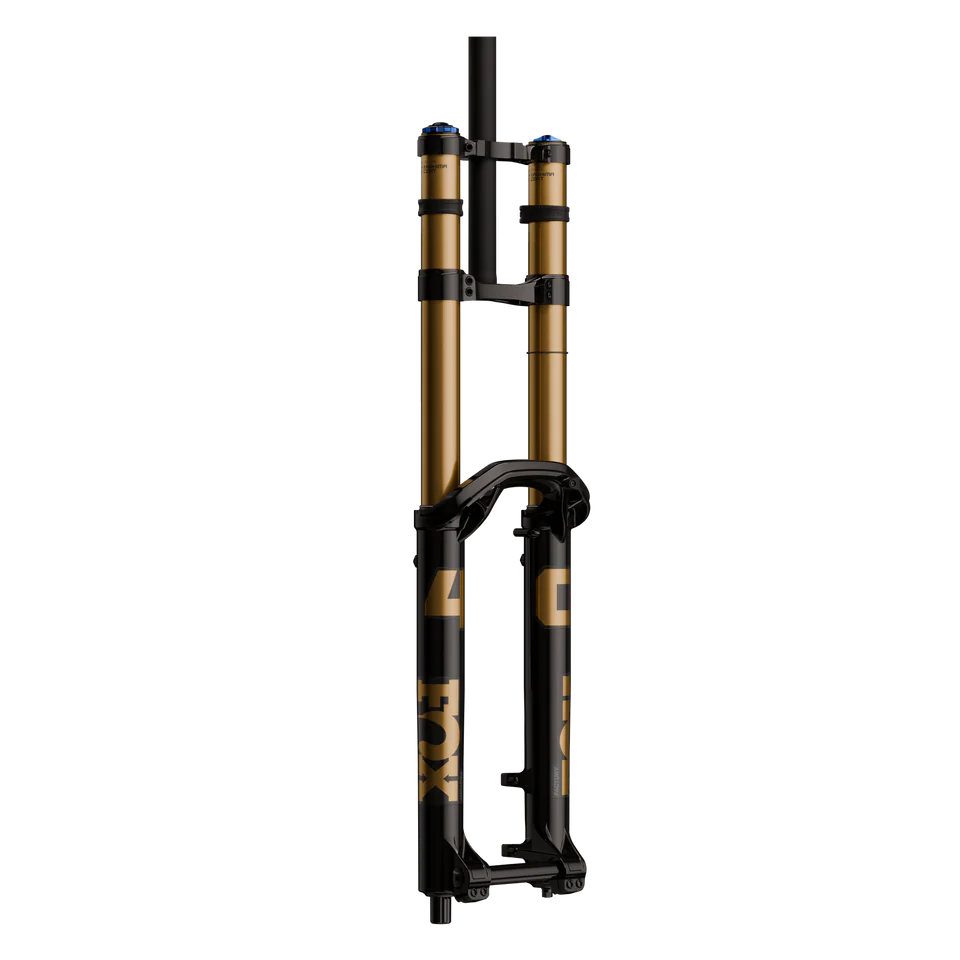
40 Factory
€1700The definitive DH race fork with GRIP X2 damper
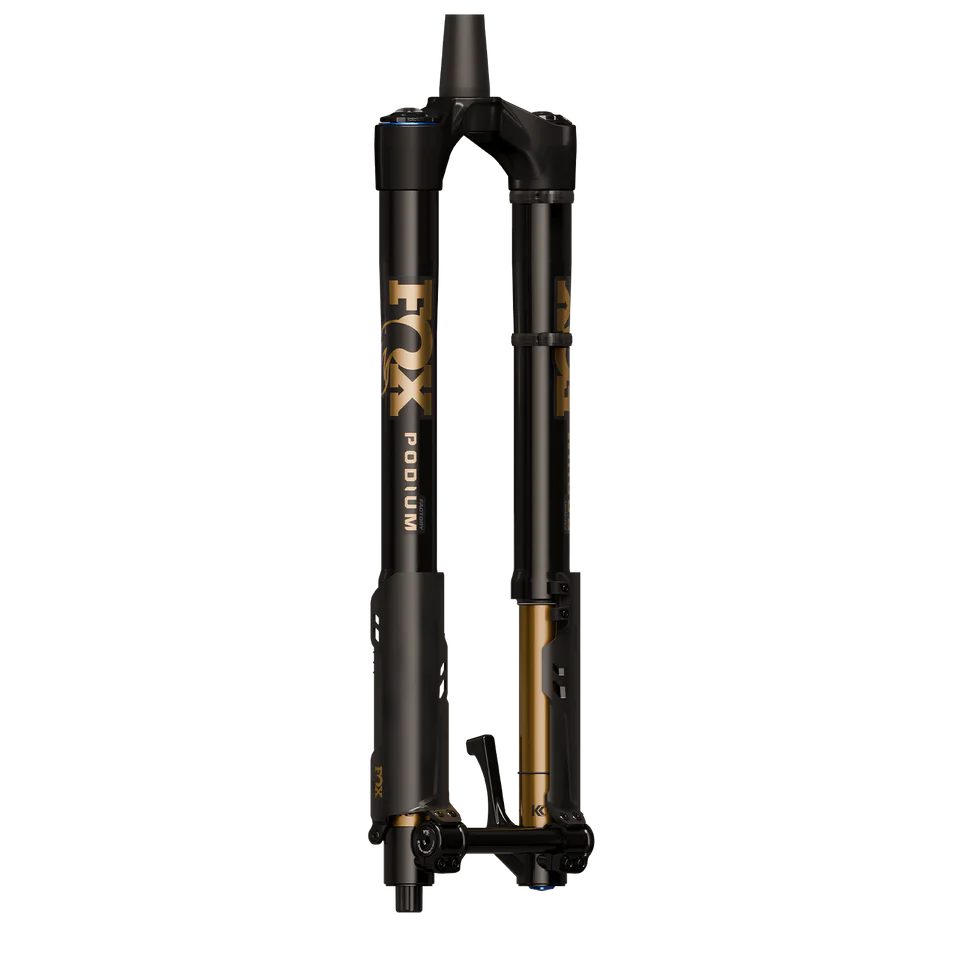
Podium Factory
€2499The unfair advantage - inverted fork revolution
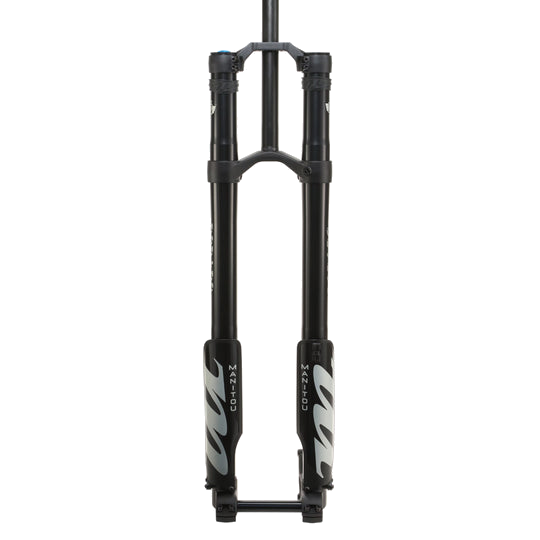
Dorado Coil
€1441Coil fans rejoice - Smooth consistent feel with zero hassle
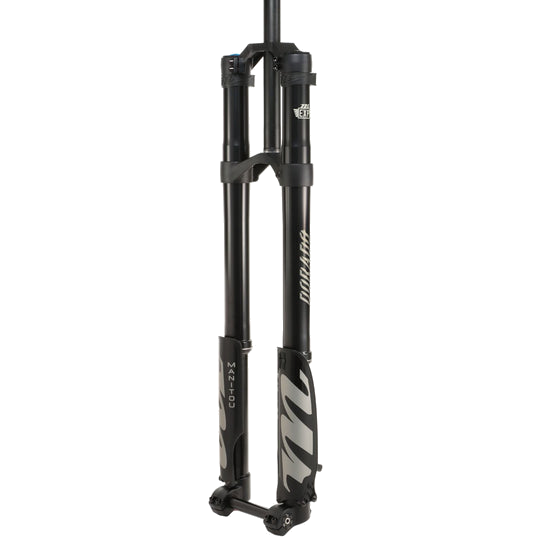
Dorado Expert
€1718Get Inverted - Premium alloy inverted fork for gravity riding
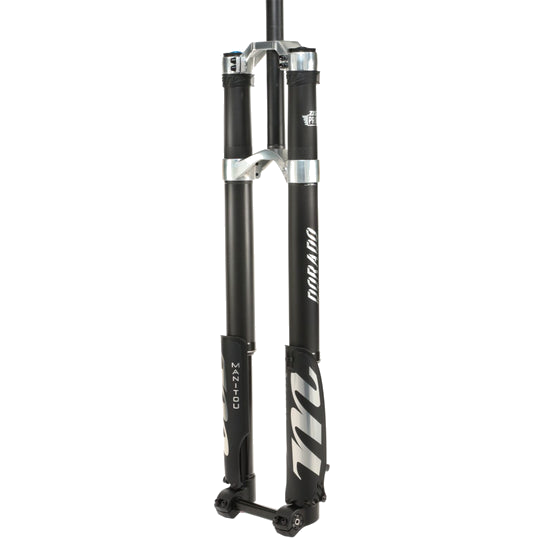
Dorado Pro
€2161Legendary inverted fork with carbon fiber upper structure
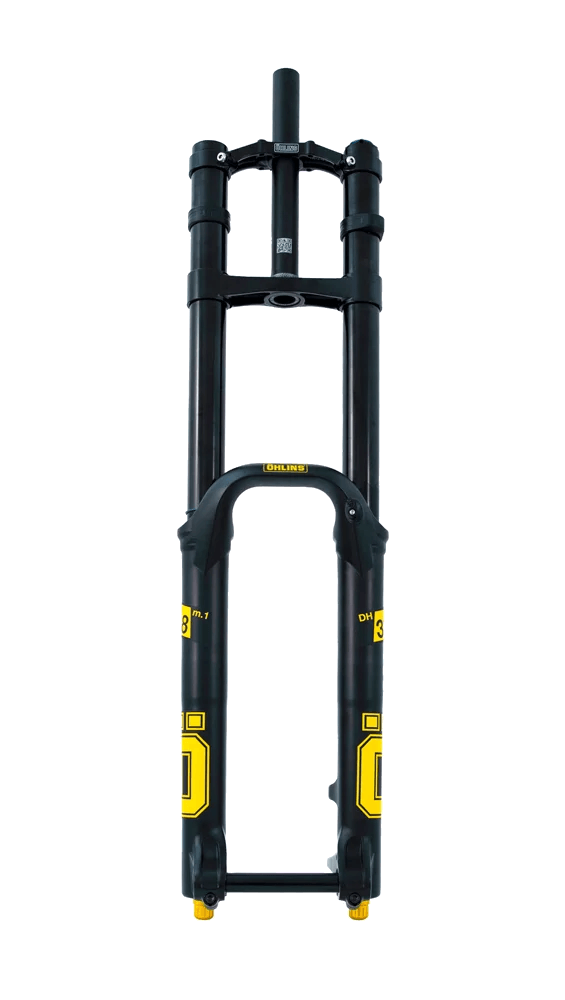
DH38 m.1 Air
€2199Award-winning downhill performance with unrivaled adjustability
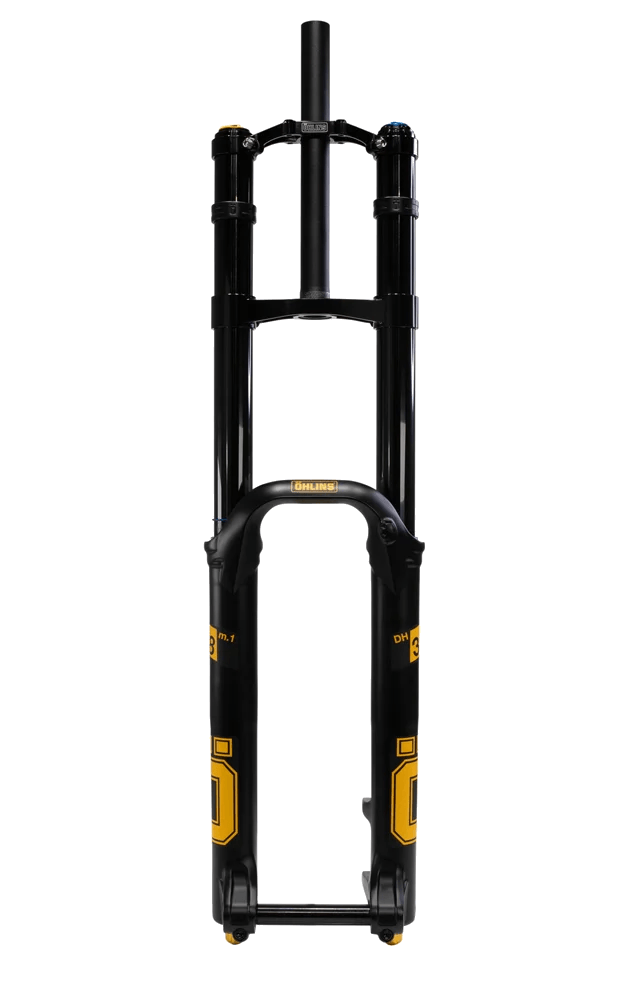
DH38 m.1 Coil
€2299Ultimate downhill performance with coil spring linearity
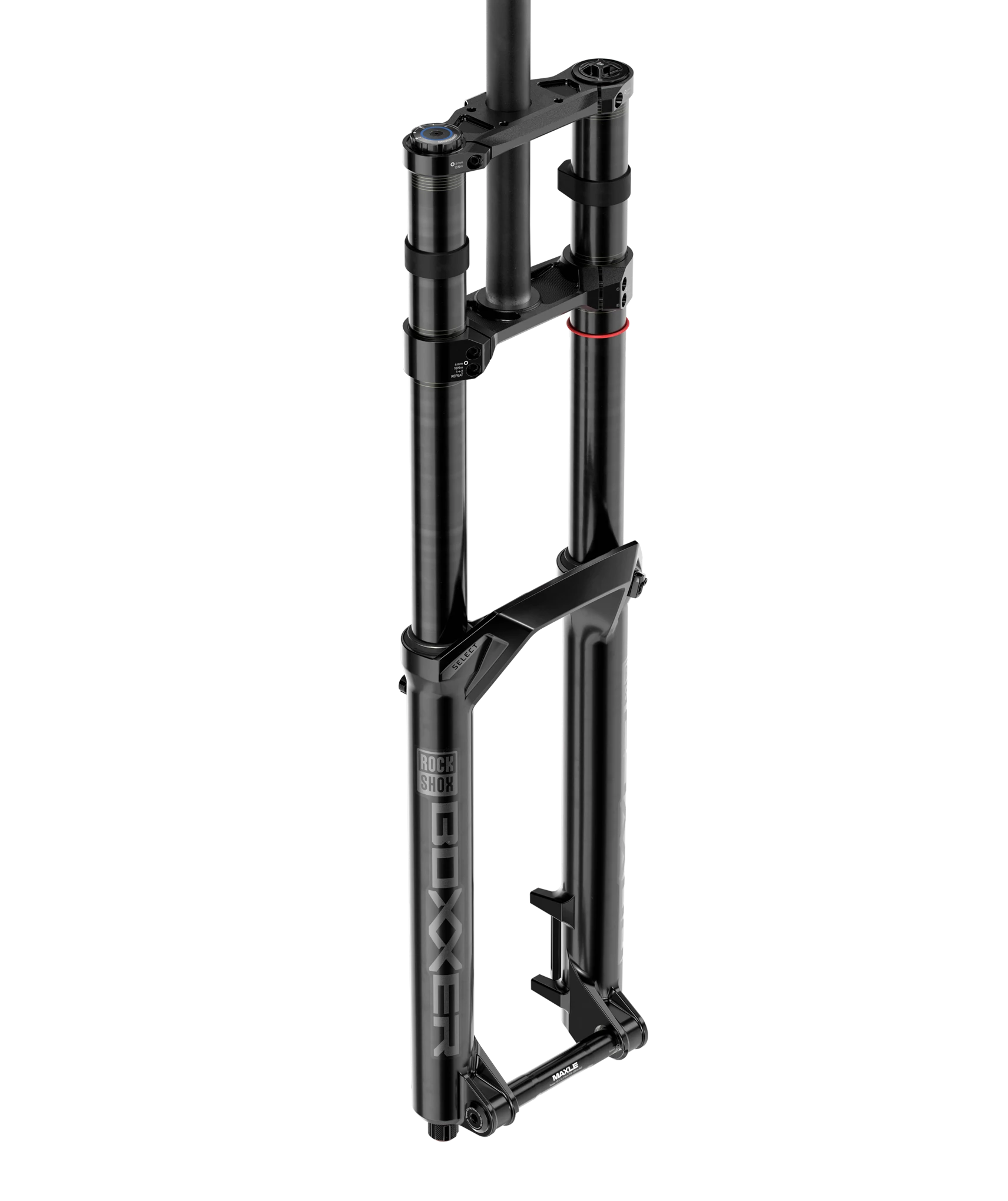
BoXXer Select
€1635New BoXXer technology for racers and park rats alike
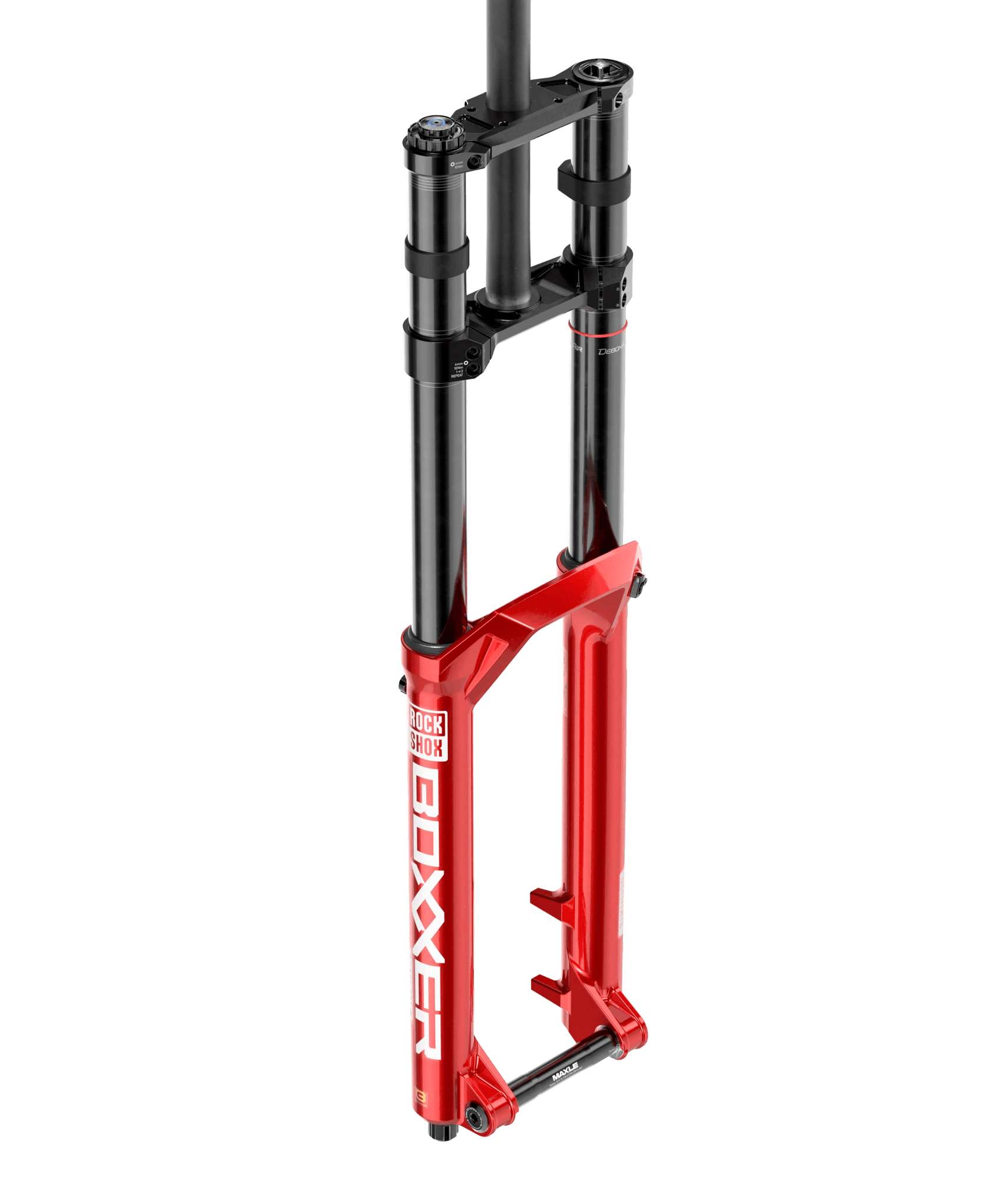
BoXXer Ultimate
€2279Redesigned by the world's fastest racers, for the world's fastest racers
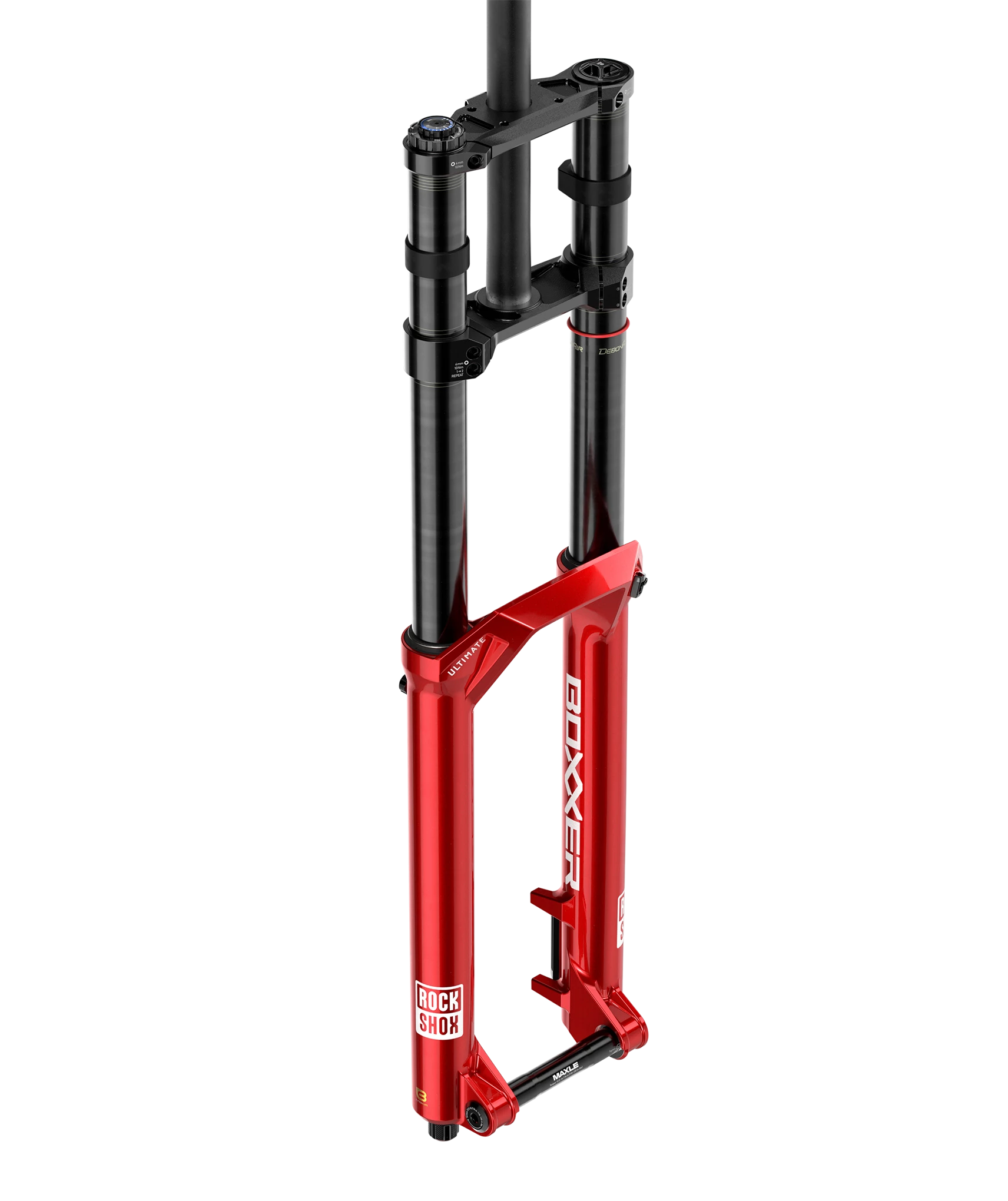
BoXXer Ultimate
€2180Born from racing—composure, predictability, and podium-ready speed
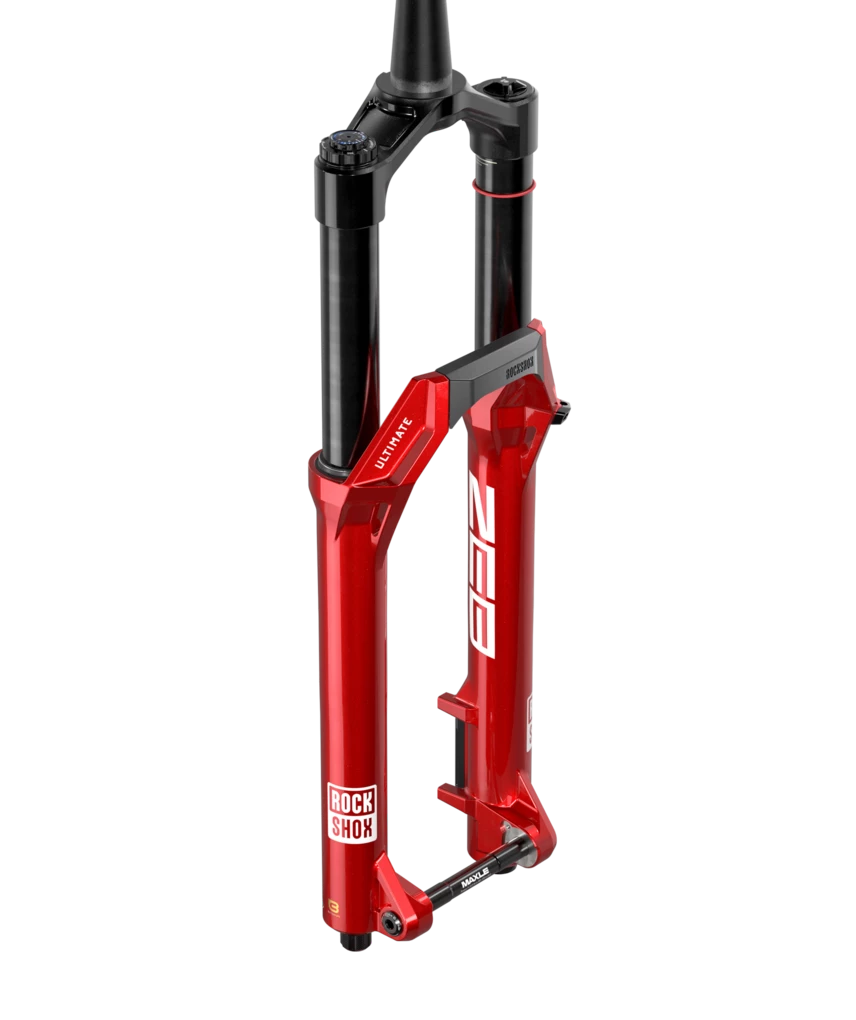
ZEB Ultimate
€1440Built for the most extreme terrain and the riders who conquer it
Related guides
All guidesSetting Sag
How to properly set up your suspension sag for optimal performance.
Component Compatibility
Avoid expensive fit mistakes between forks, wheels, tires, and cockpit parts before you buy.
Rebound Damping
Mastering the art of return speed for better control and traction.
Compression Damping
Controlling how your suspension compresses
Suspension & Rear Shock Service
Service intervals, maintenance schedules, and DIY vs professional guidance.
Frequently asked questions
How should you choose forks for gravity riding?
Start with terrain, target speed, and compatibility constraints. Then choose the level of support, stiffness, comfort, or power that actually fits your bike and riding style.
Do you need the most expensive option?
Not necessarily. The right choice is the one that delivers the performance, adjustment range, and reliability your riding actually uses. Mid-tier options often offer the best balance of cost, serviceability, and ride quality.
When should you optimize setup instead of replacing the component?
If your current part is compatible and mechanically healthy, better setup, pressure, bleeding, servicing, or cockpit tuning may solve the problem before a replacement is needed.