
Drivetrains
Precision shifting and power transfer systems
How to choose the right drivetrains
Drivetrains for enduro riding need to match terrain, speed, and the level of support or control you actually want. This page brings together 11 options from 2 brands so you can compare real differences in ride feel, reliability, and value.
Precision shifting and power transfer systems Observed pricing runs from about EUR 415 to EUR 5500 depending on construction and tier.
Brand
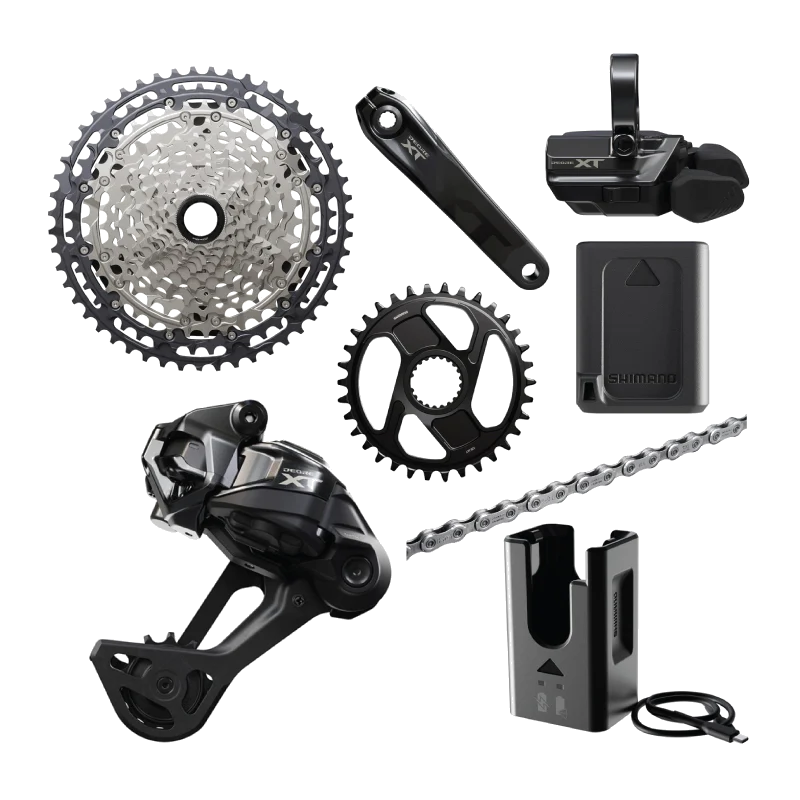
Deore XT M8200 Di2
€1899Trail-born wireless performance
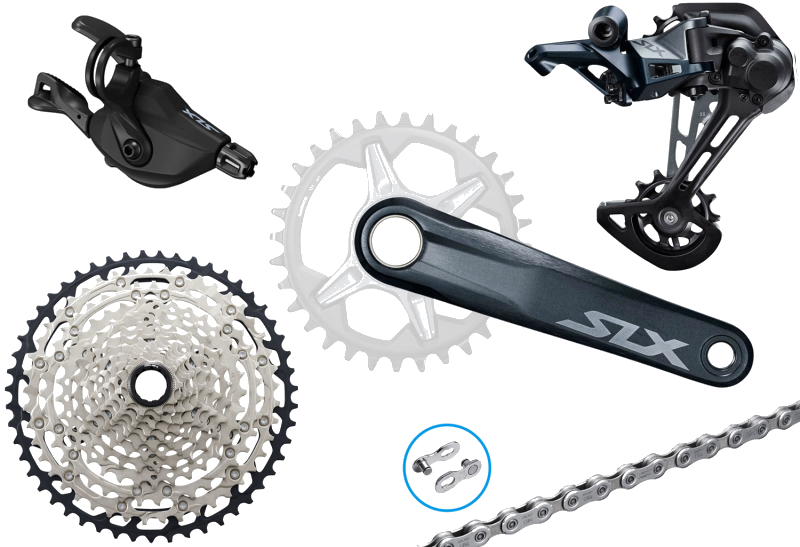
SLX M7100 1x12-speed Group
€415Complete 12-speed performance at accessible value
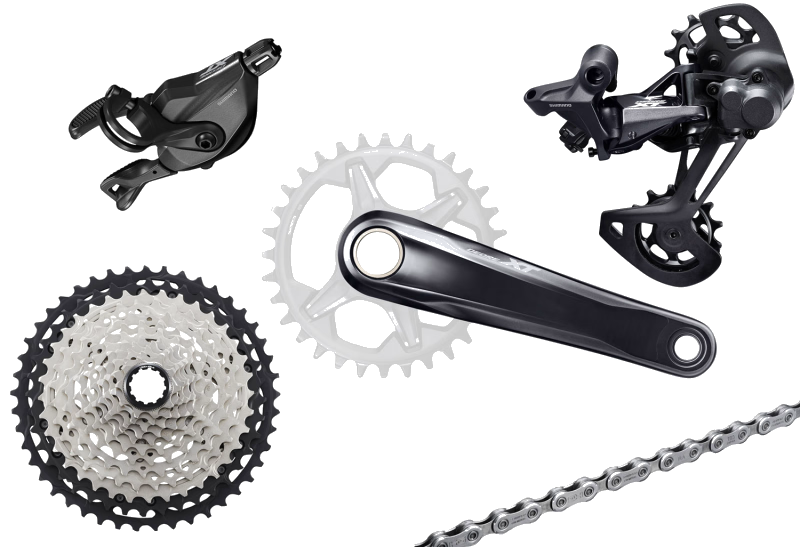
XT M8100 1x12-speed Group
€580The original MTB group, reborn in 12-speed
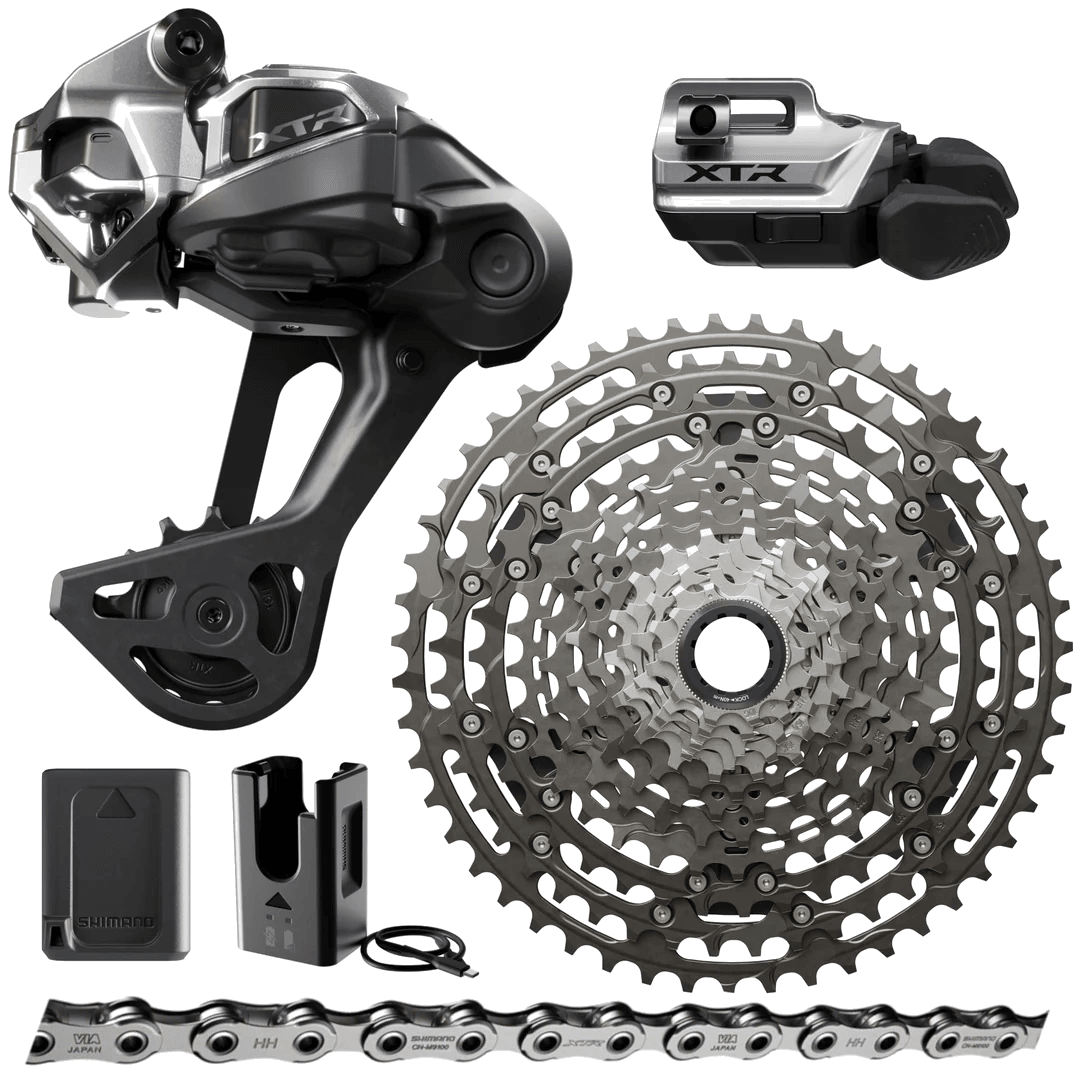
XTR M9200 Di2
€2899Wireless precision for XC and enduro
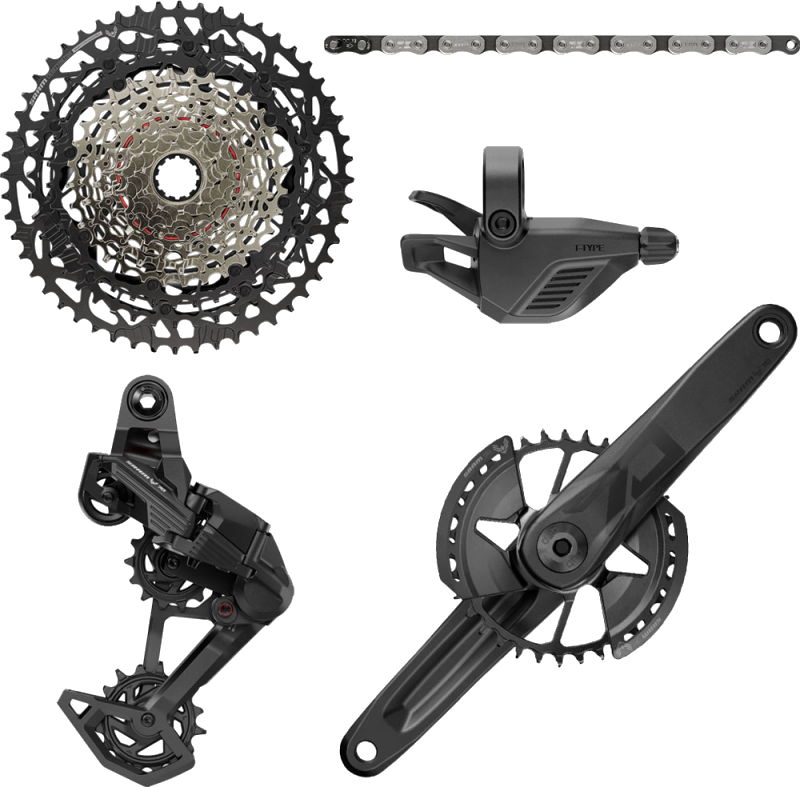
Eagle 70 Transmission
€5500The entry to Transmission: precise mechanical shifting
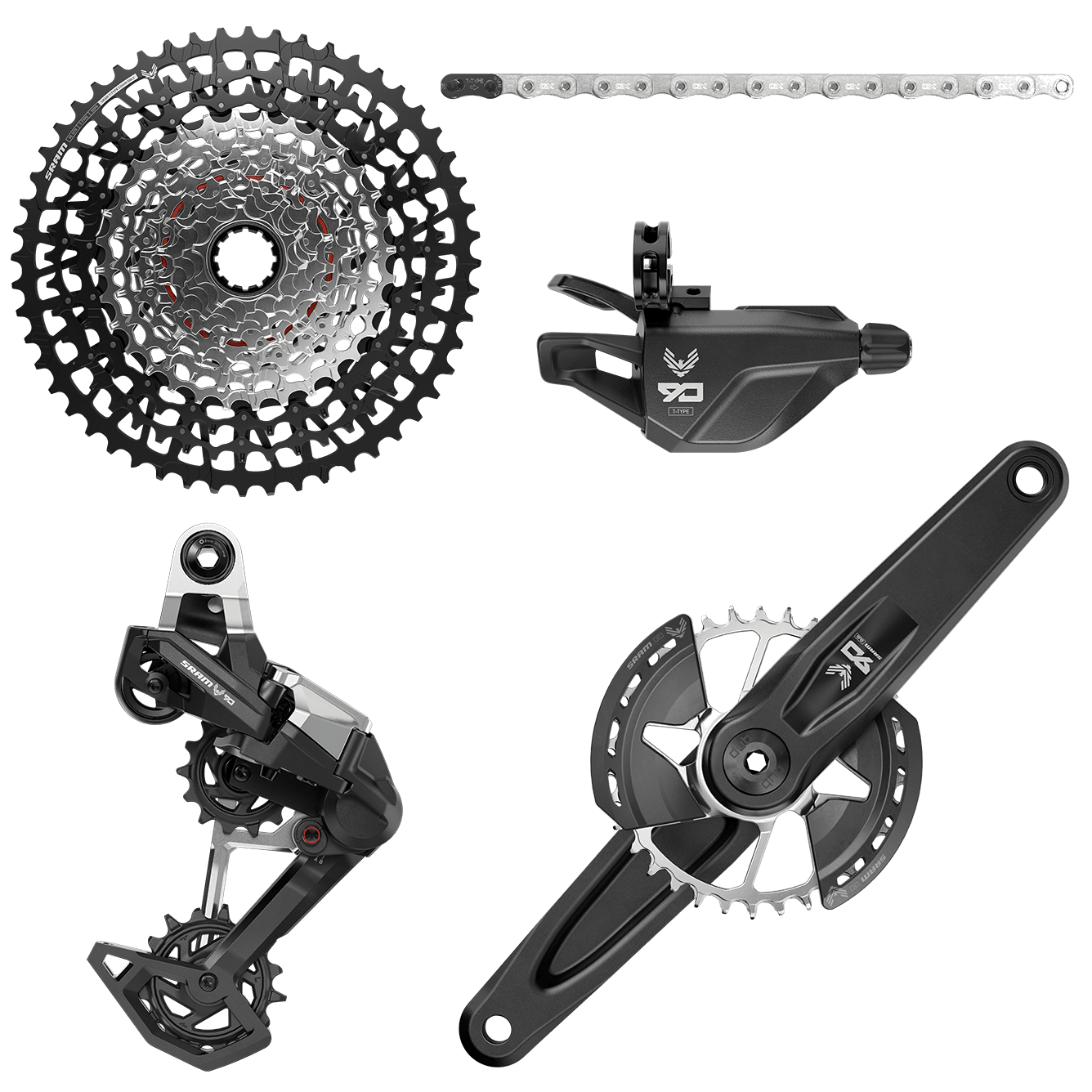
Eagle 90 Transmission
€730Mechanical shifting at its best
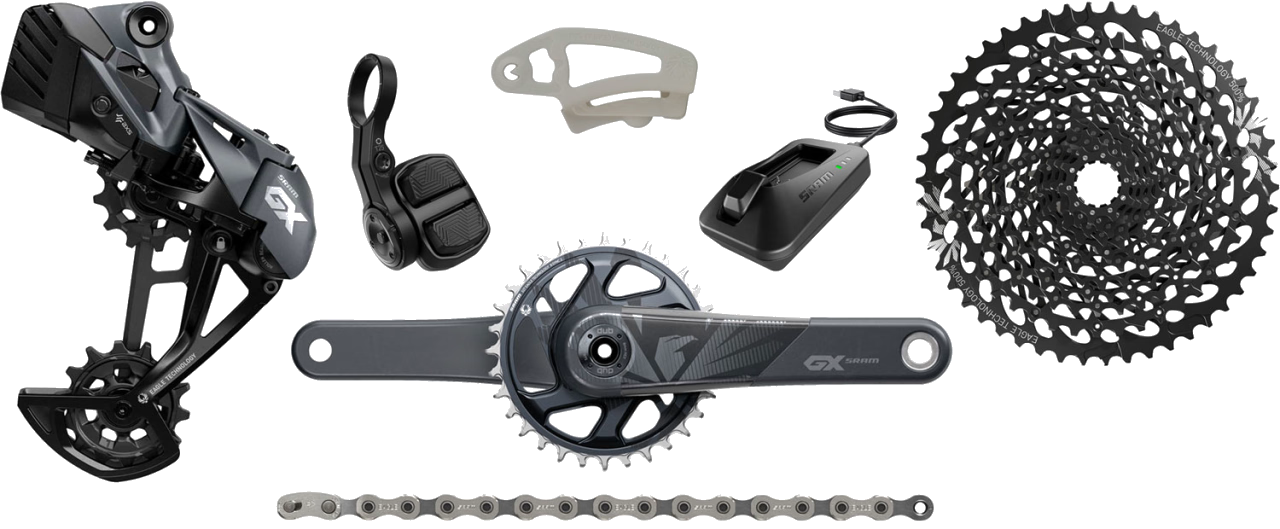
GX Eagle AXS Carbon Groupset
€1250Wireless freedom at the heart of the Eagle ecosystem
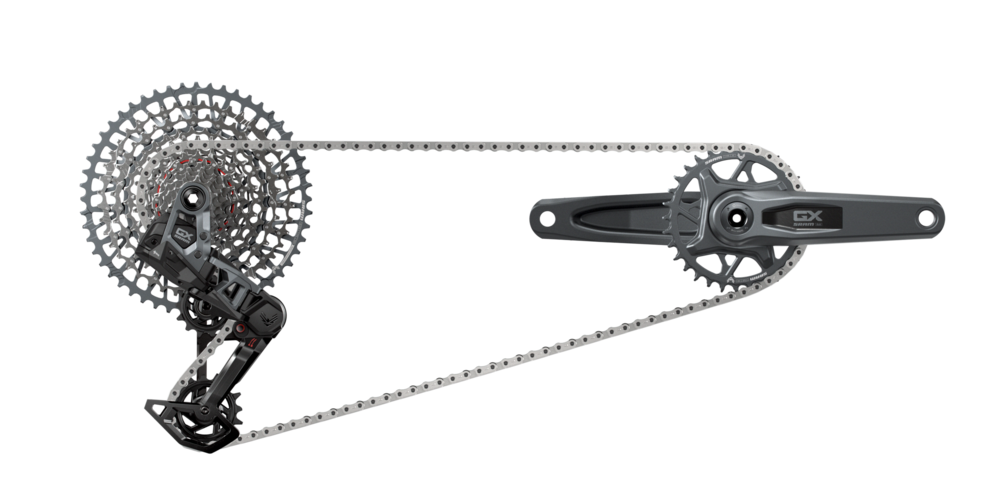
GX Eagle Transmission
€1300All-day performance, modernized
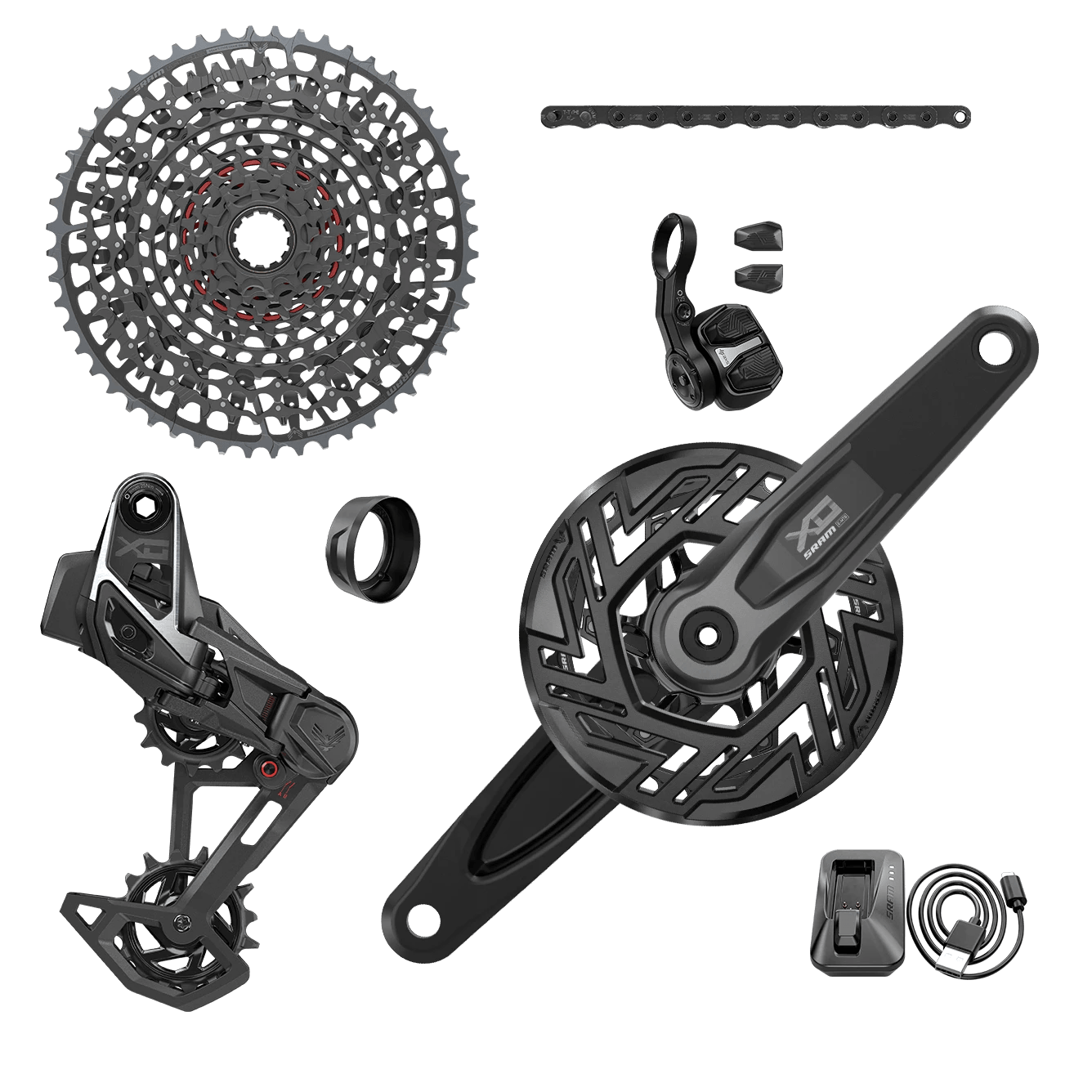
X0 Eagle AXS E-Bike Transmission
€1370Ruggedly dependable E-MTB transmission
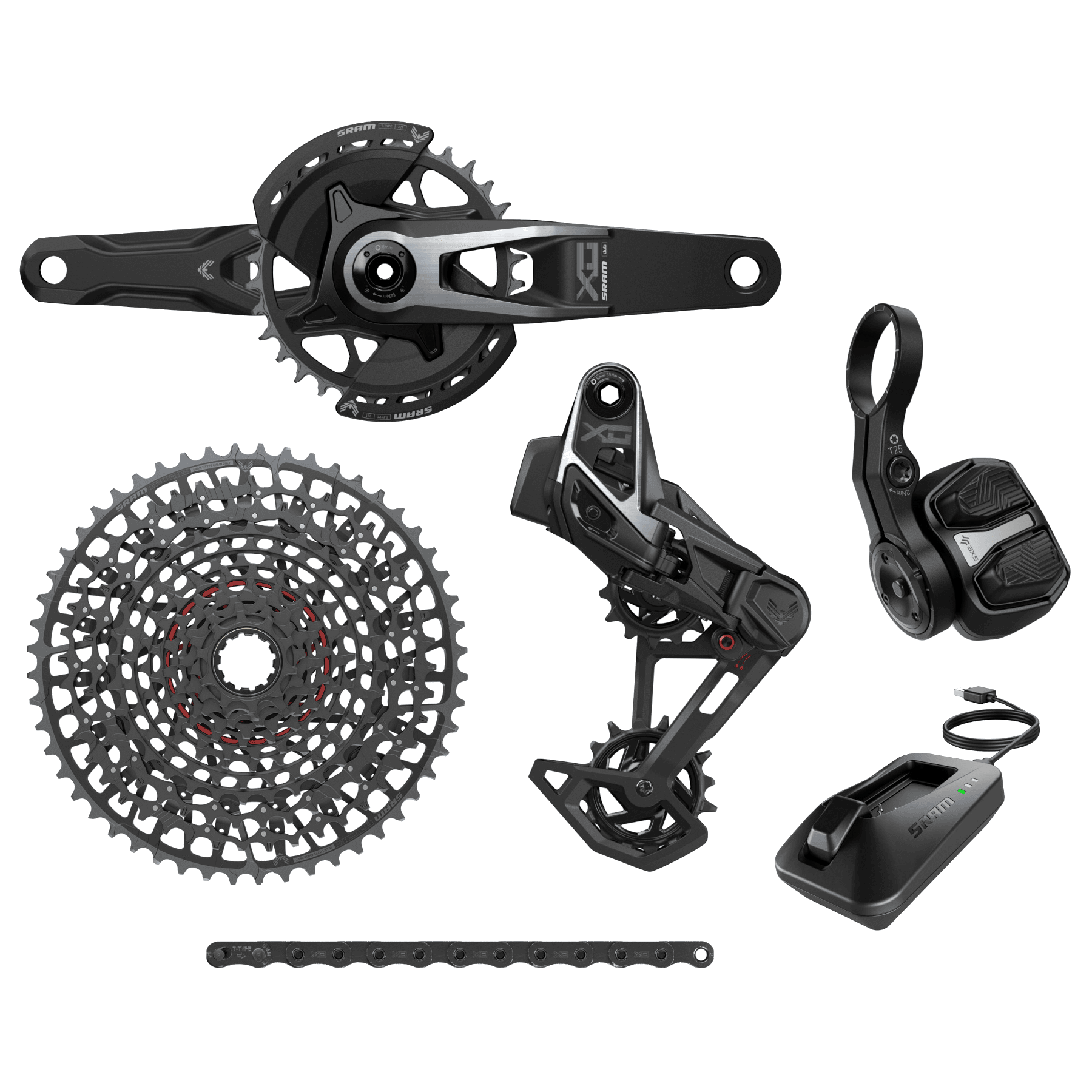
X0 Eagle AXS Transmission
€1900Ruggedly dependable transmission for enduro
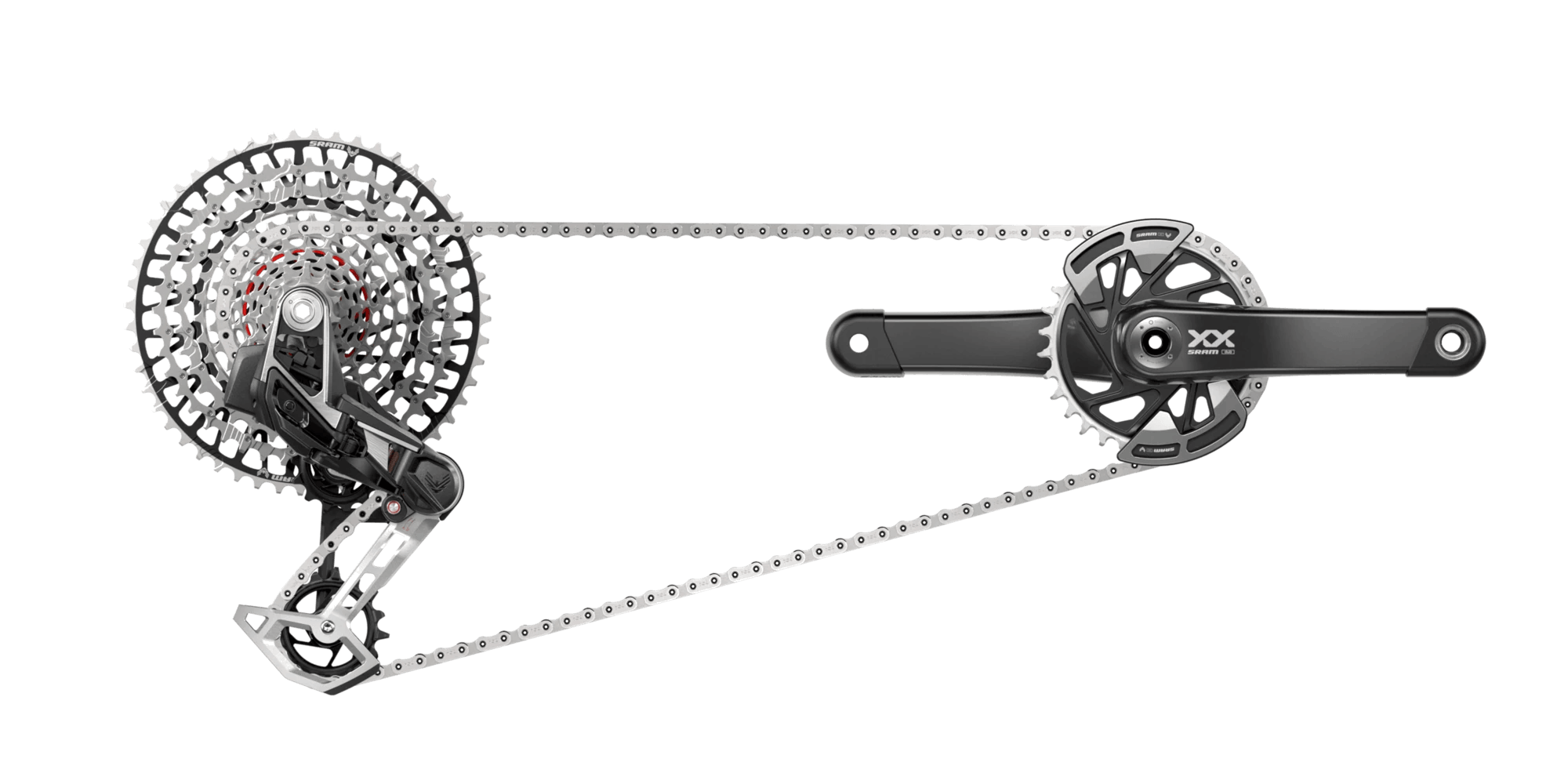
XX Eagle AXS Transmission
€2450Perfect balance of robustness and weight
Related guides
All guidesChain Maintenance
Essential tips for cleaning, lubrication, and extending component life.
Derailleur Indexing
Fine-tune cable tension, limit screws, and B-gap for crisp, accurate shifting under load.
Weather & Conditions Adaptation
Setup adjustments for wet, muddy, dry, and cold conditions — tires, suspension, drivetrain, and brakes.
Frequently asked questions
How should you choose drivetrains for enduro riding?
Start with terrain, target speed, and compatibility constraints. Then choose the level of support, stiffness, comfort, or power that actually fits your bike and riding style.
Do you need the most expensive option?
Not necessarily. The right choice is the one that delivers the performance, adjustment range, and reliability your riding actually uses. Mid-tier options often offer the best balance of cost, serviceability, and ride quality.
When should you optimize setup instead of replacing the component?
If your current part is compatible and mechanically healthy, better setup, pressure, bleeding, servicing, or cockpit tuning may solve the problem before a replacement is needed.