
Handlebars
Ergonomic control for comfortable riding
How to choose the right handlebars
Handlebars for e-mtb riding need to match terrain, speed, and the level of support or control you actually want. This page brings together 18 options from 7 brands so you can compare real differences in ride feel, reliability, and value.
Ergonomic control for comfortable riding Observed pricing runs from about EUR 59 to EUR 229 depending on construction and tier.
Brand
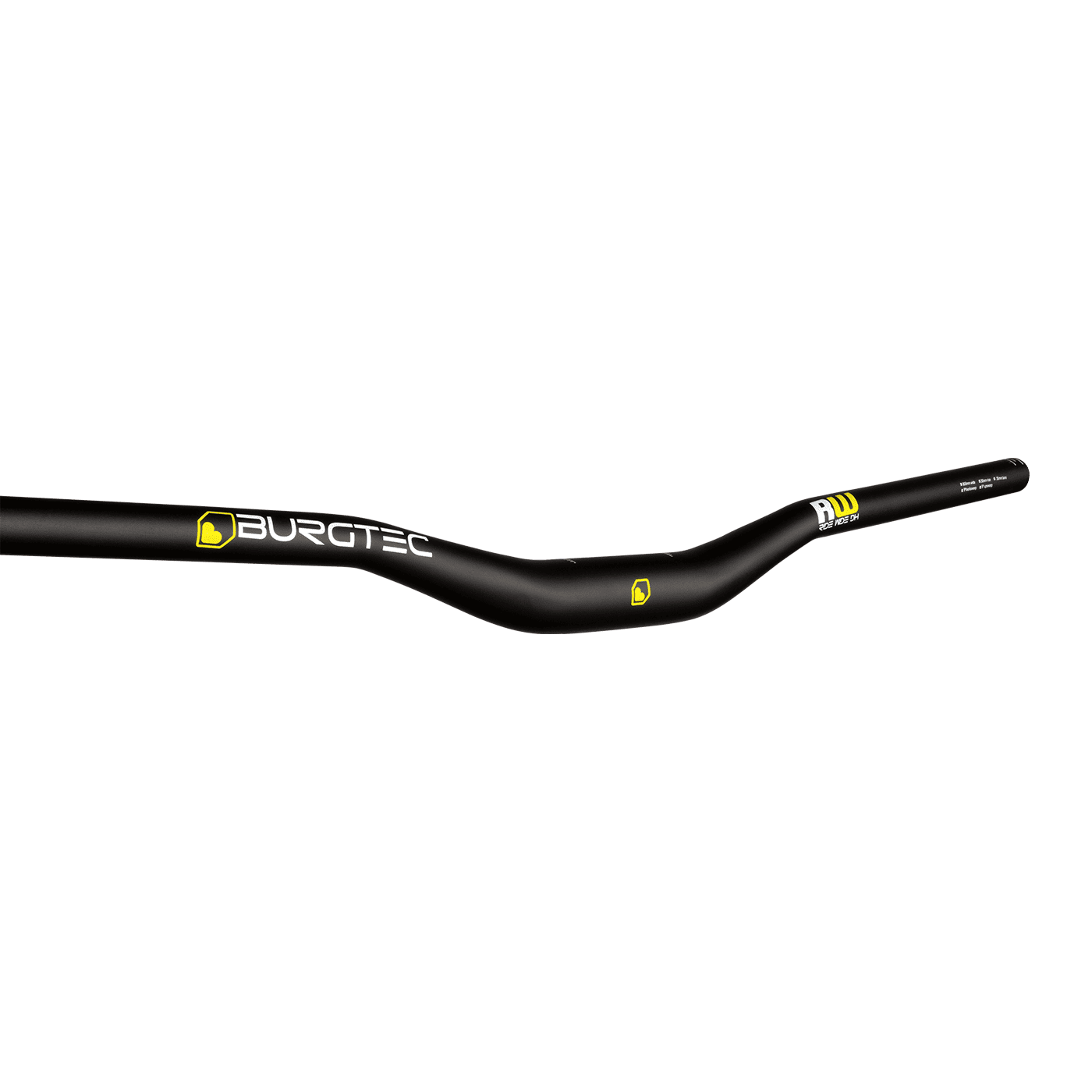
Burgtec Ride Wide Alloy DH
€69Built for the toughest tracks on the planet
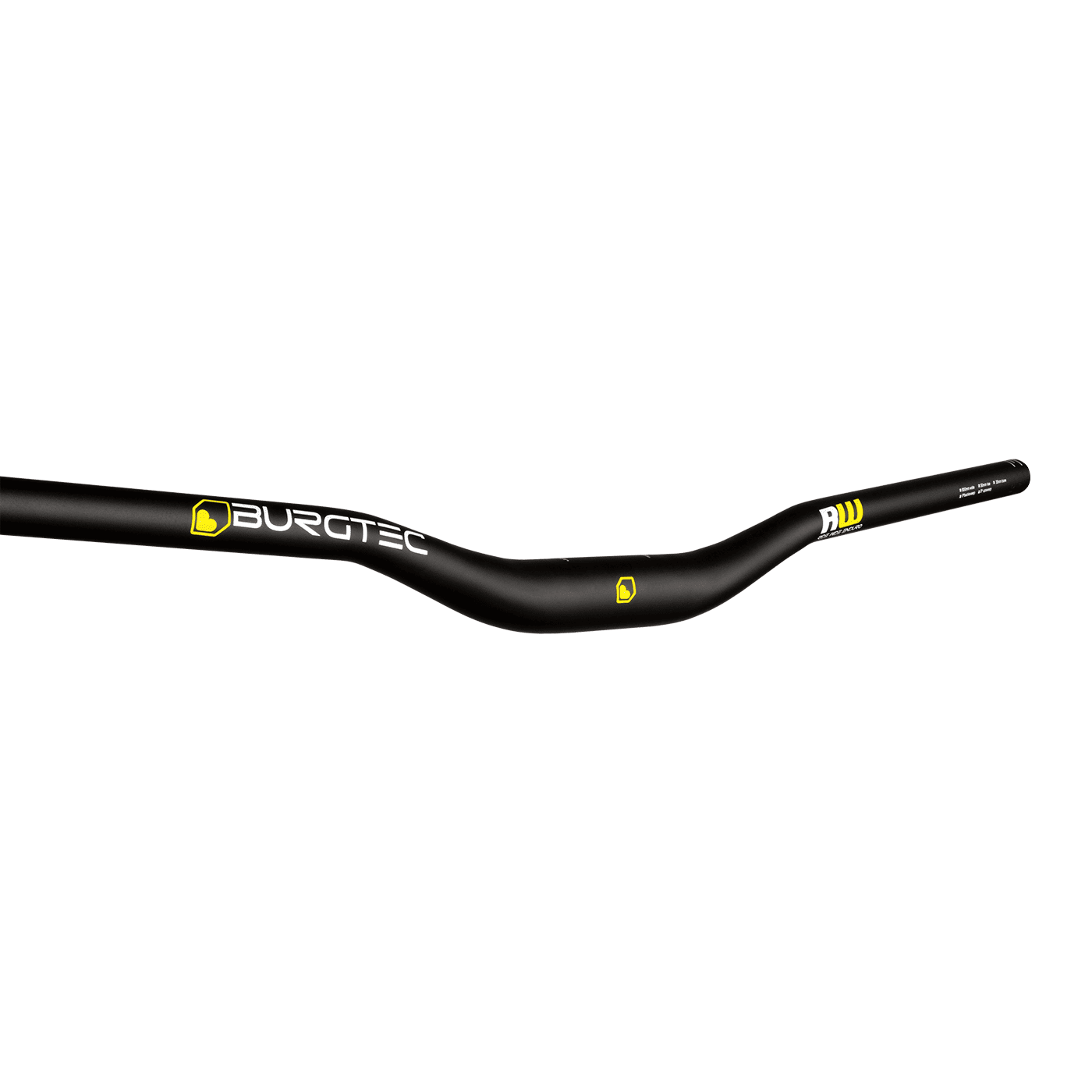
Burgtec Ride Wide Alloy Enduro
€69The original and best wide bar
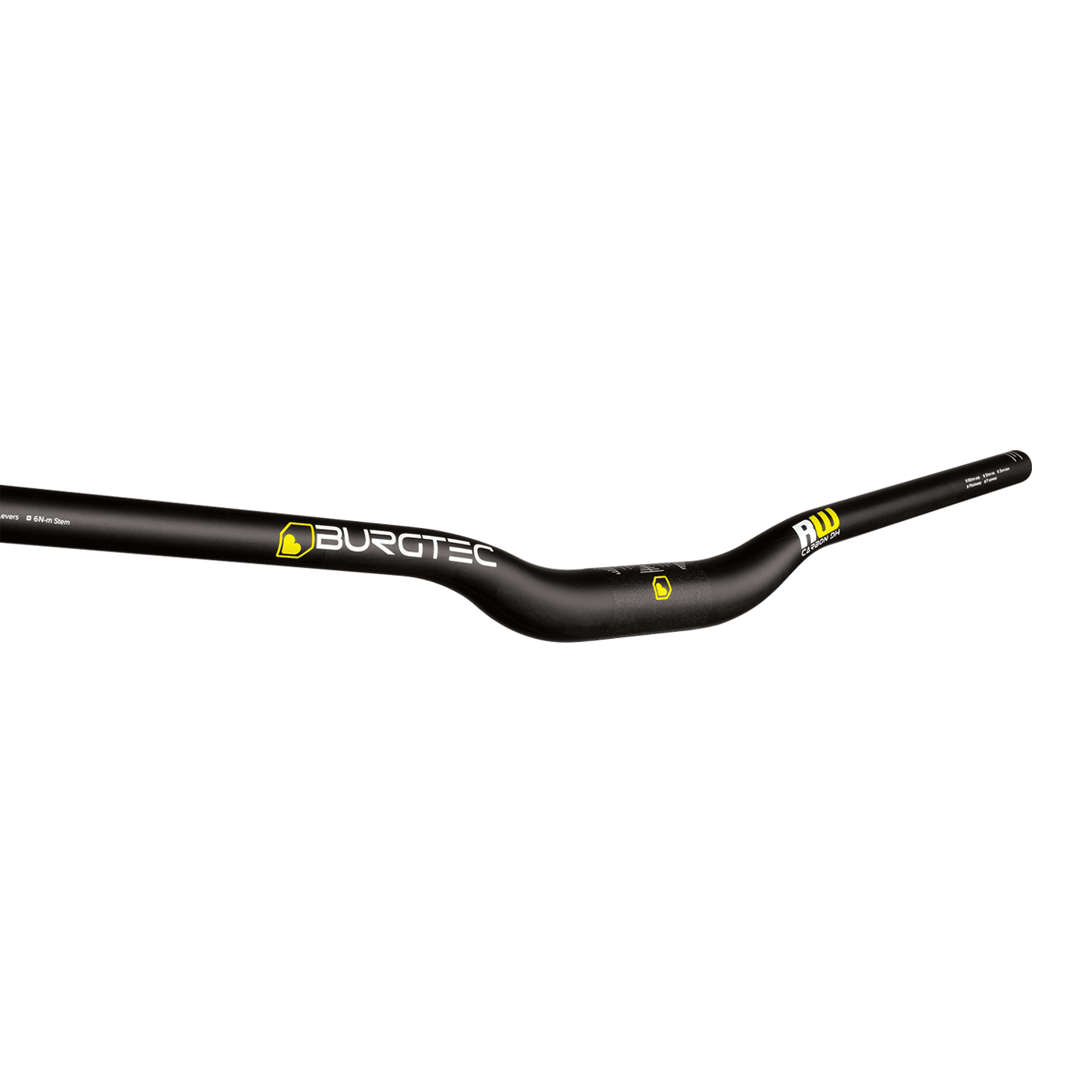
Burgtec Ride Wide Carbon DH
€169Ultimate control for downhill racing
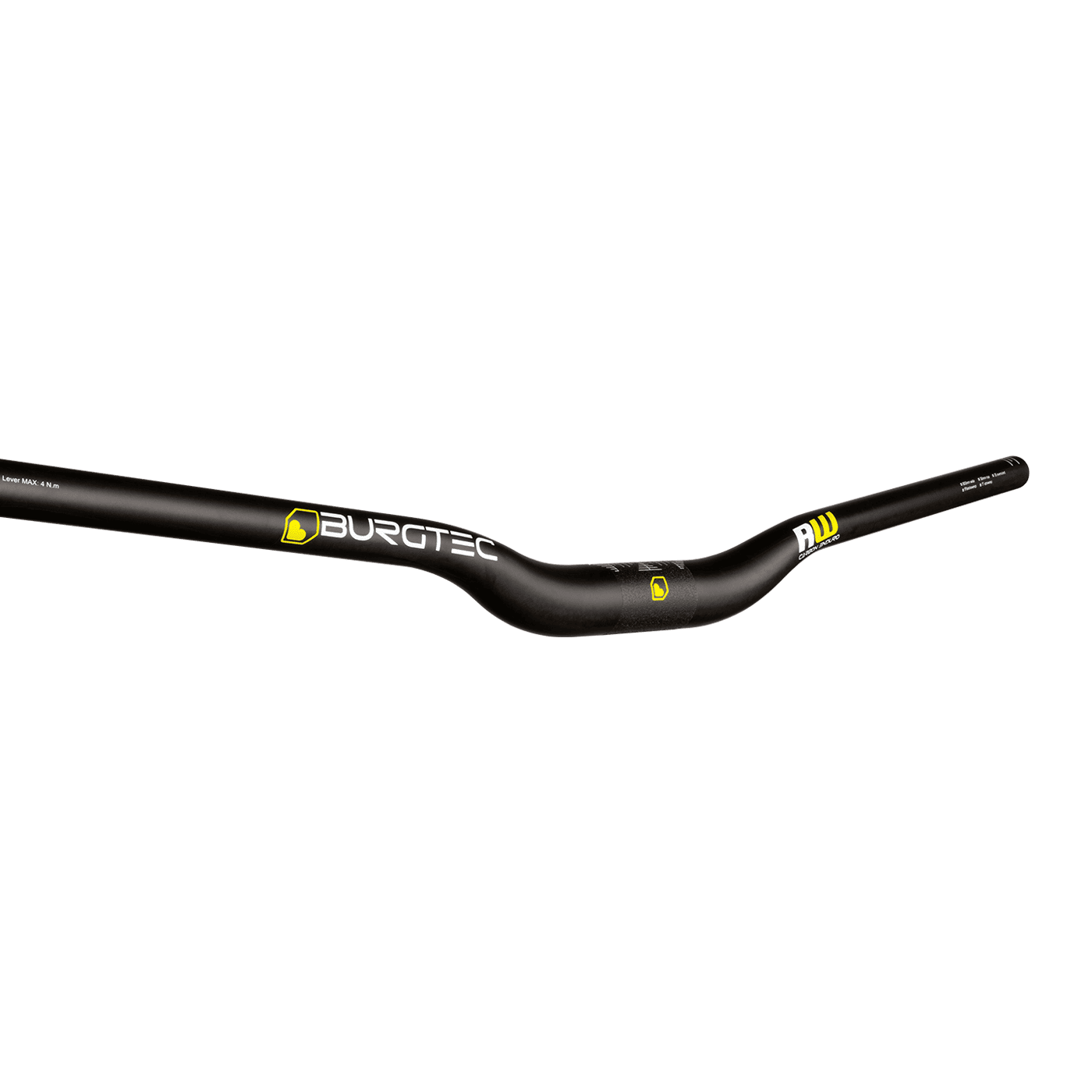
Burgtec Ride Wide Carbon Enduro
€169Unmatched comfort with superior vibration dampening
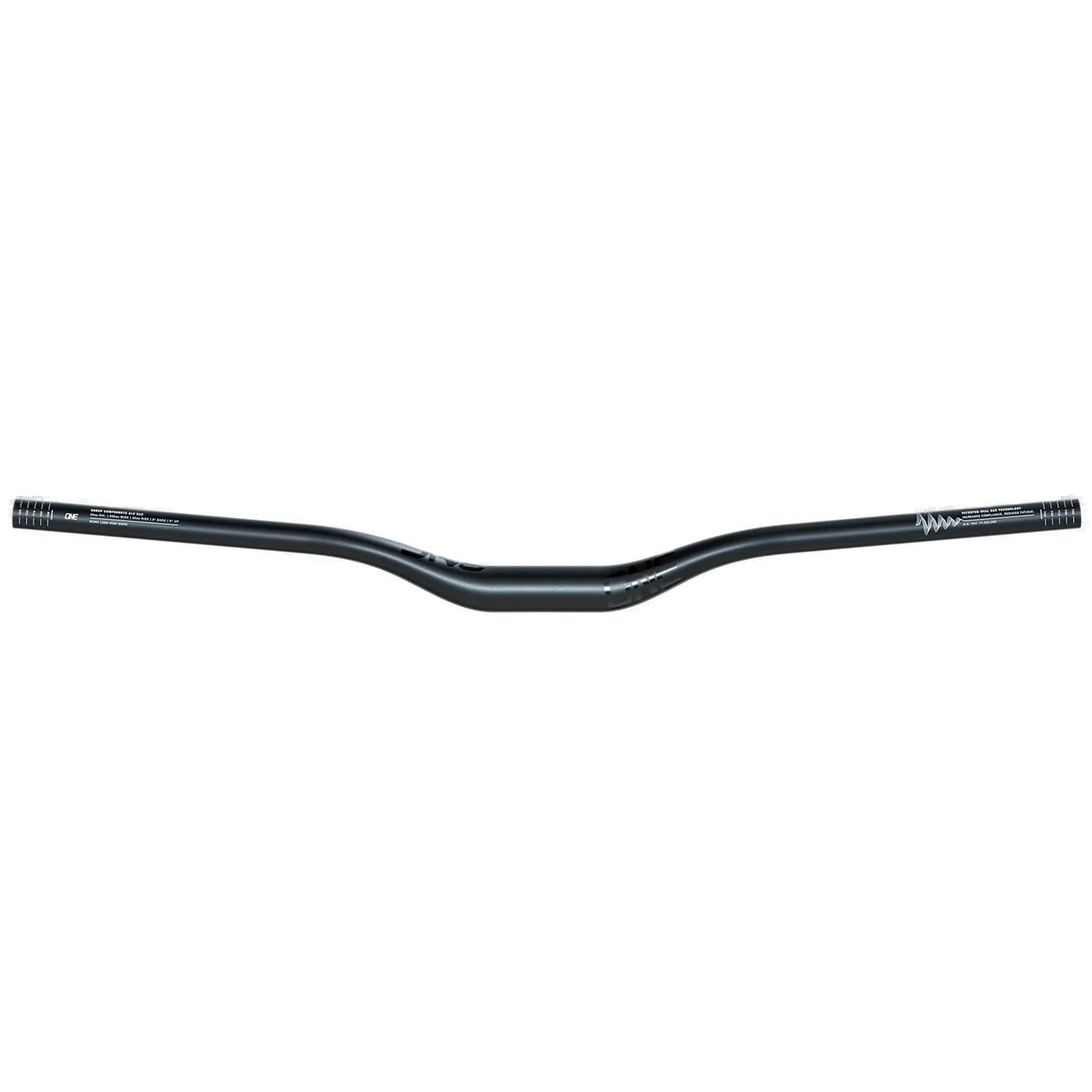
OneUp Aluminum Handlebar
€69Carbon performance at an aluminum price
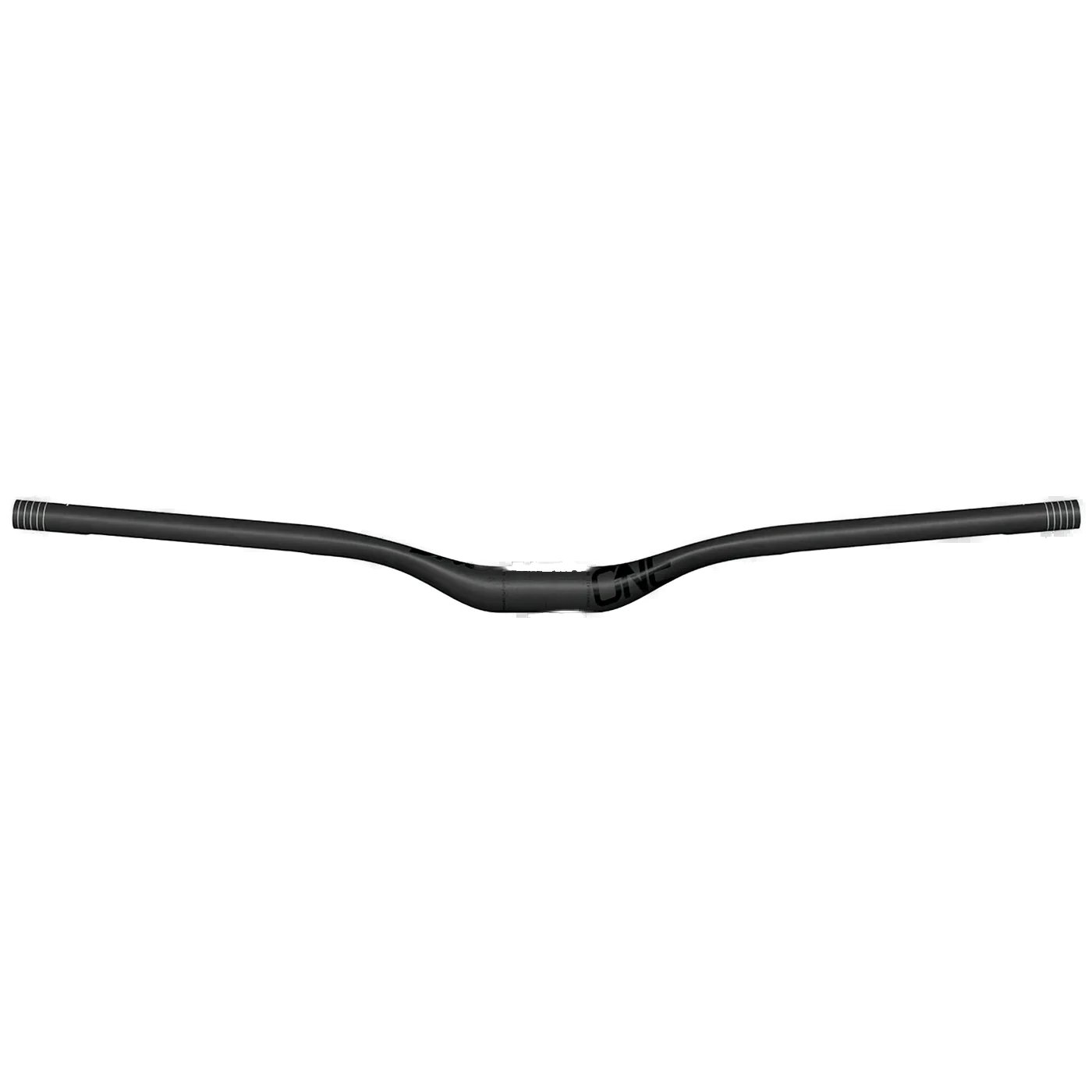
OneUp Carbon E-Bar
€179Carbon performance with integrated E-Bike cable routing
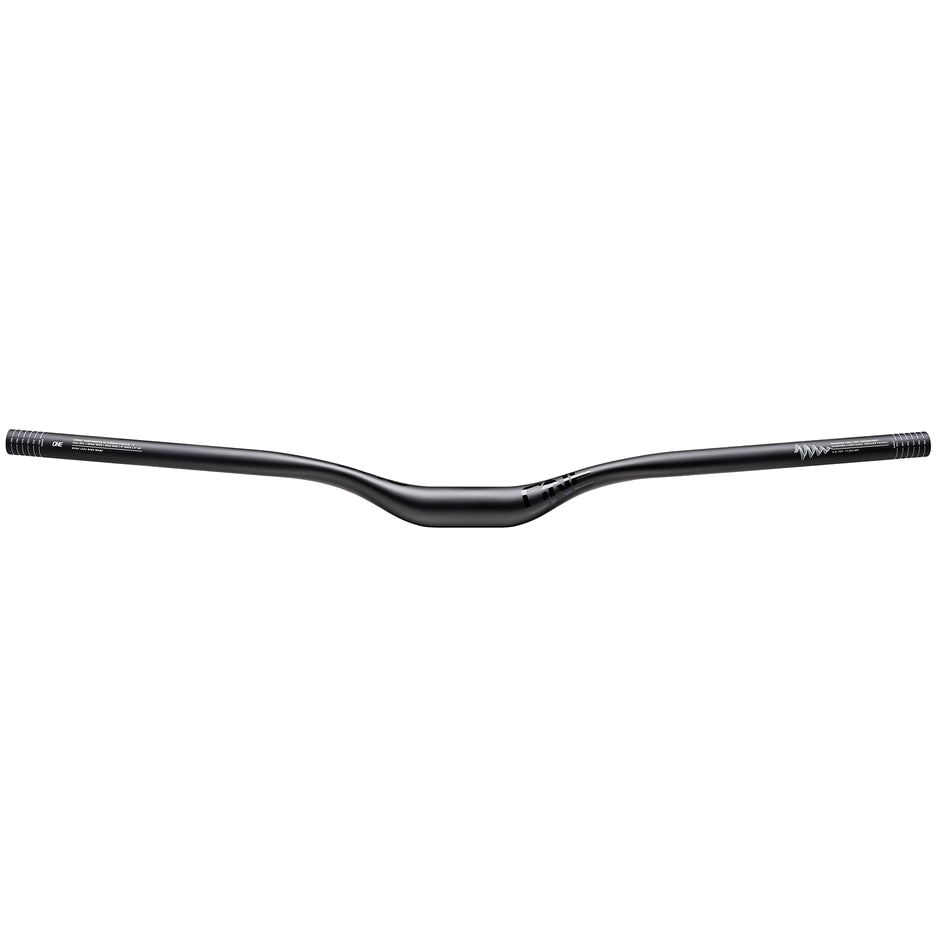
OneUp V2 Carbon Handlebar
€159Most advanced carbon fiber handlebar for all disciplines
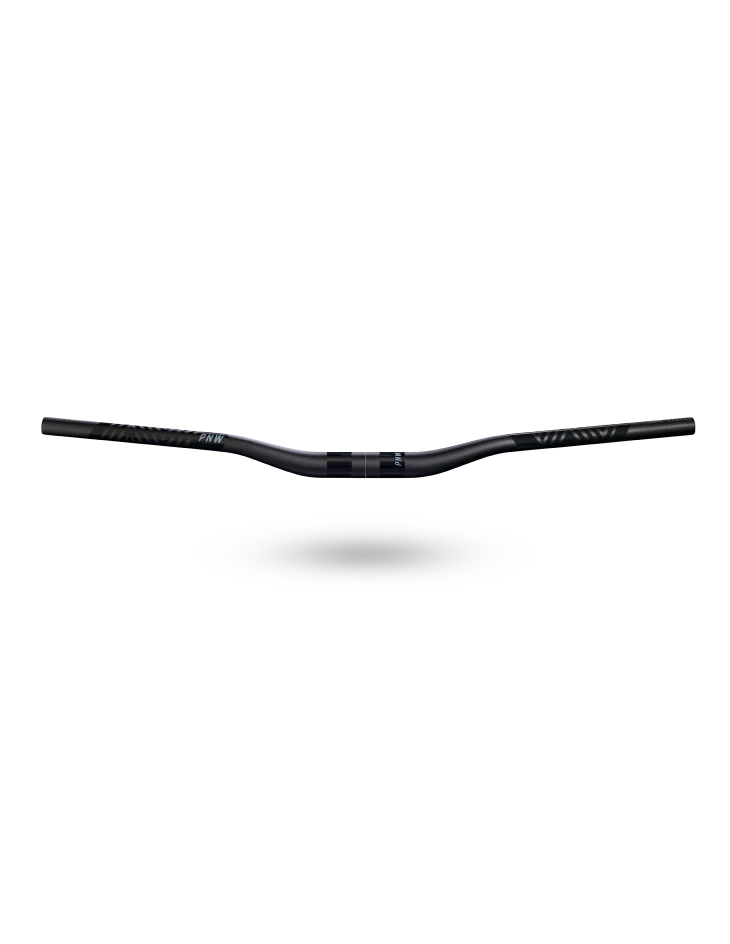
Loam Carbon Handlebar
€139Anti-fatigue carbon bar with patent-pending CBD layup
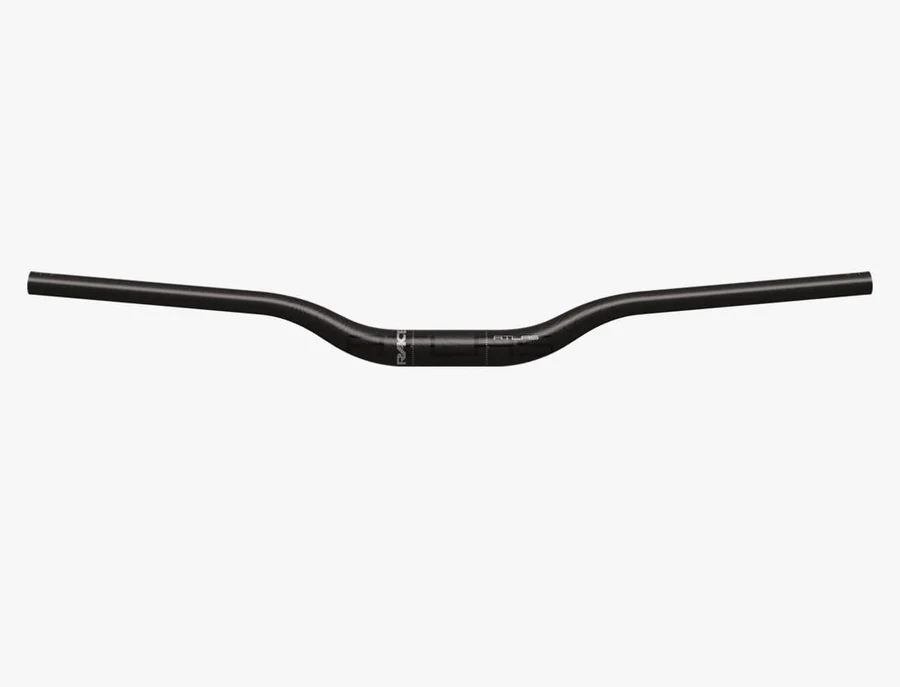
Race Face Atlas Handlebar
€99Comfortably overbuilt for gravity and e-MTB abuse
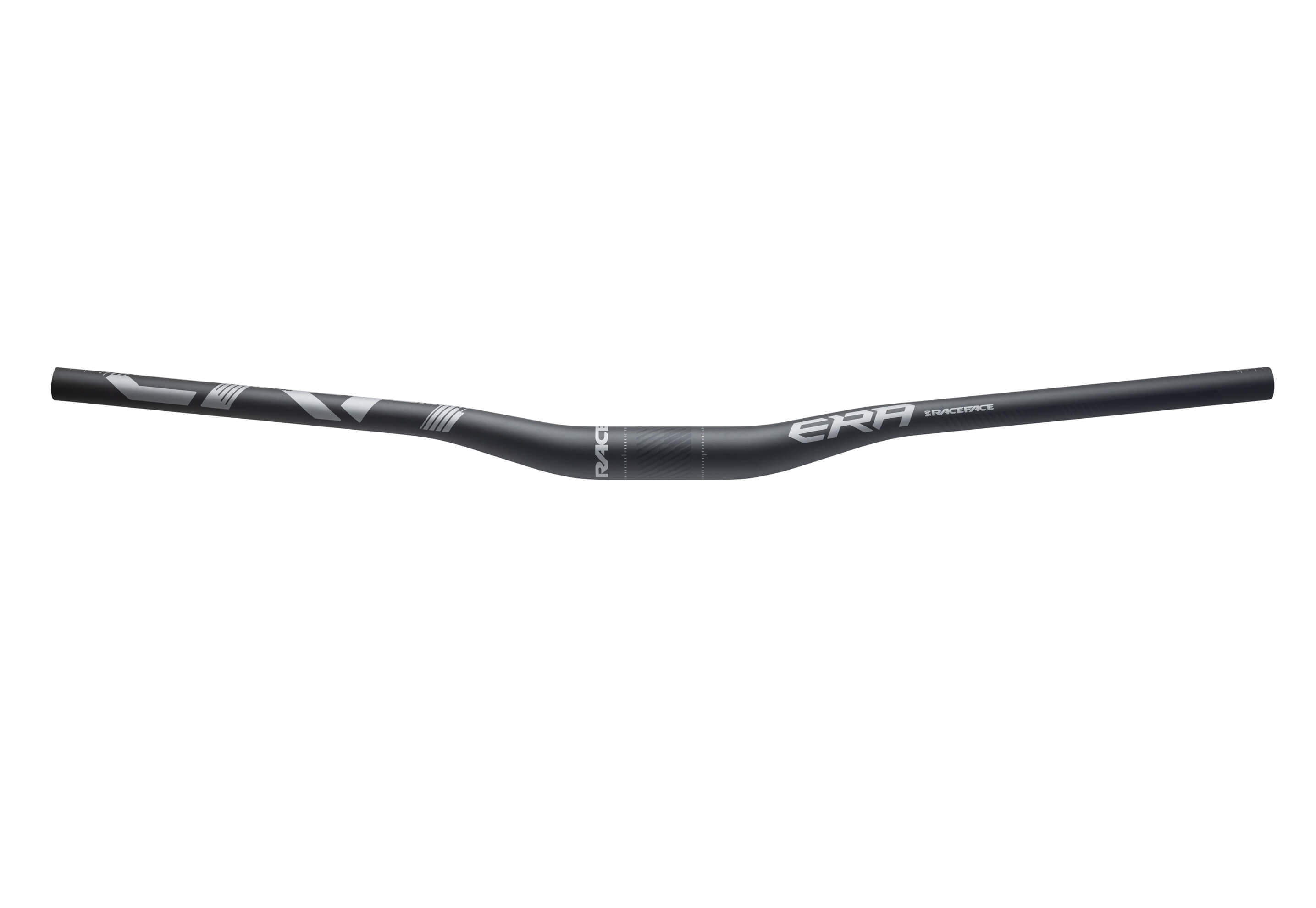
Race Face Era Carbon Handlebar
€169Goldilocks tuned for optimal compliance
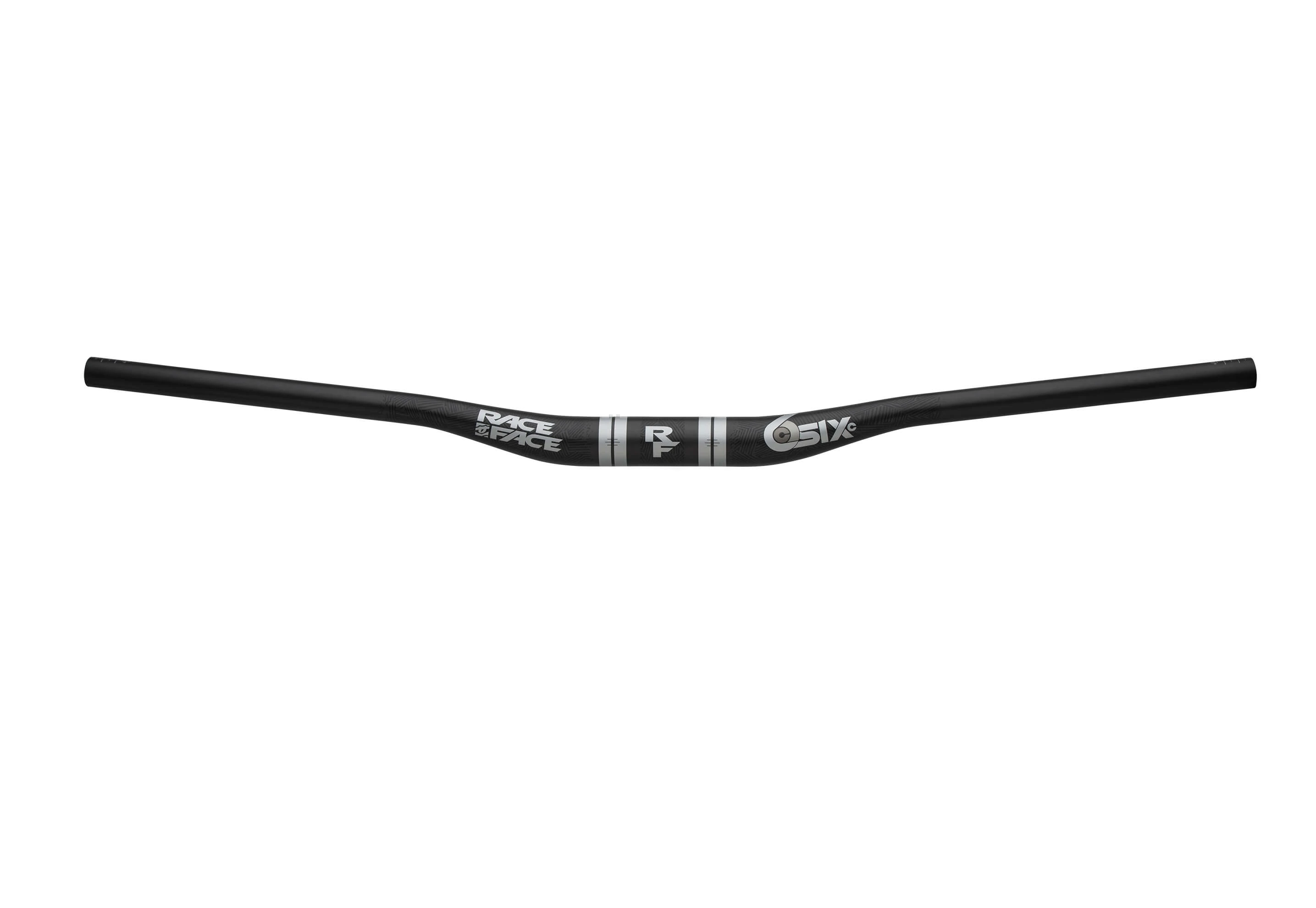
Race Face SixC 35 Handlebar
€229Built for performance at face-melting speeds
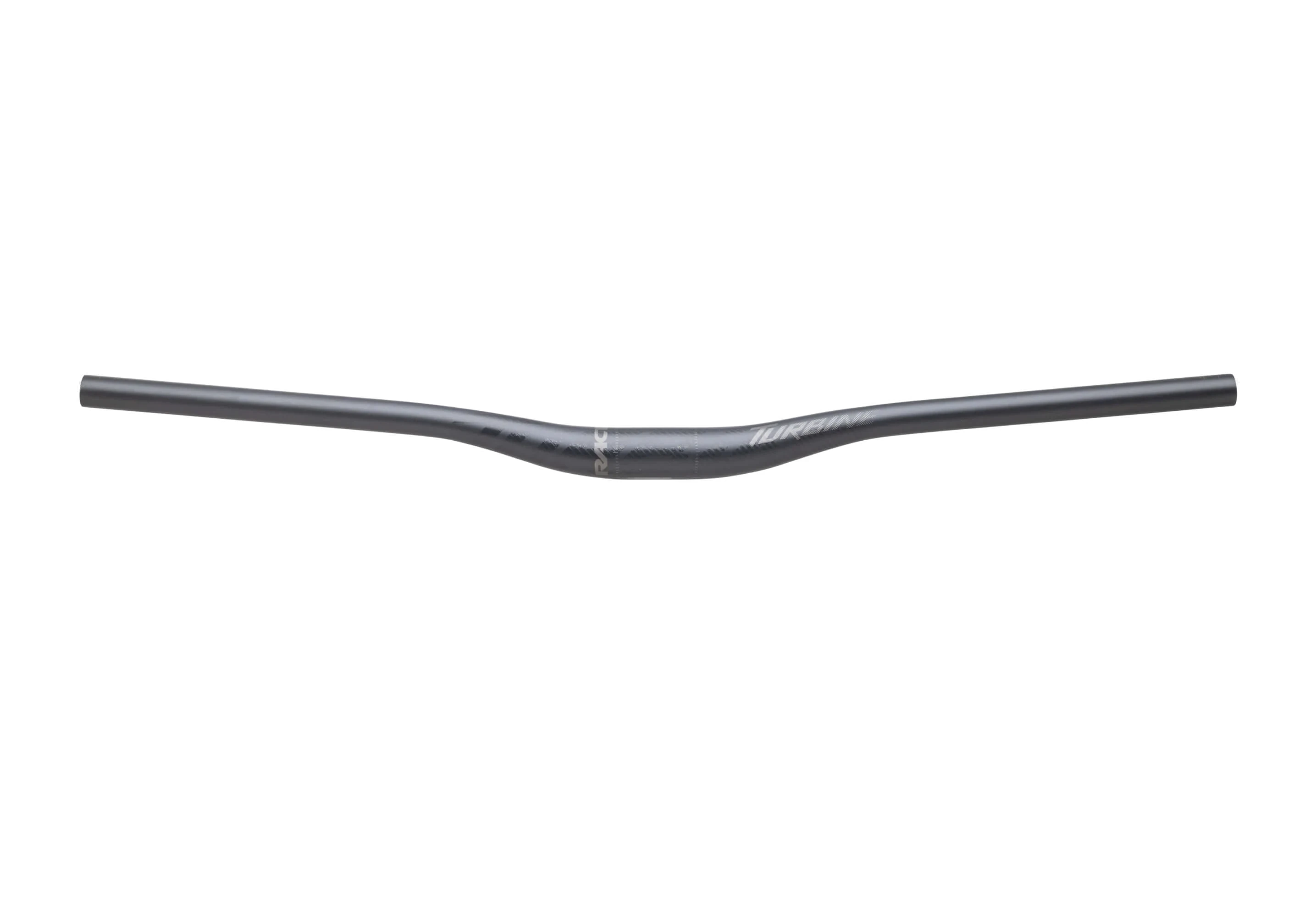
Race Face Turbine Handlebar
€89Alloy answer to arm pump and hand fatigue

Renthal Fatbar Carbon
€179World Cup proven carbon race handlebar
Renthal Fatbar Lite Carbon
€199Lightweight carbon performance for trail and enduro
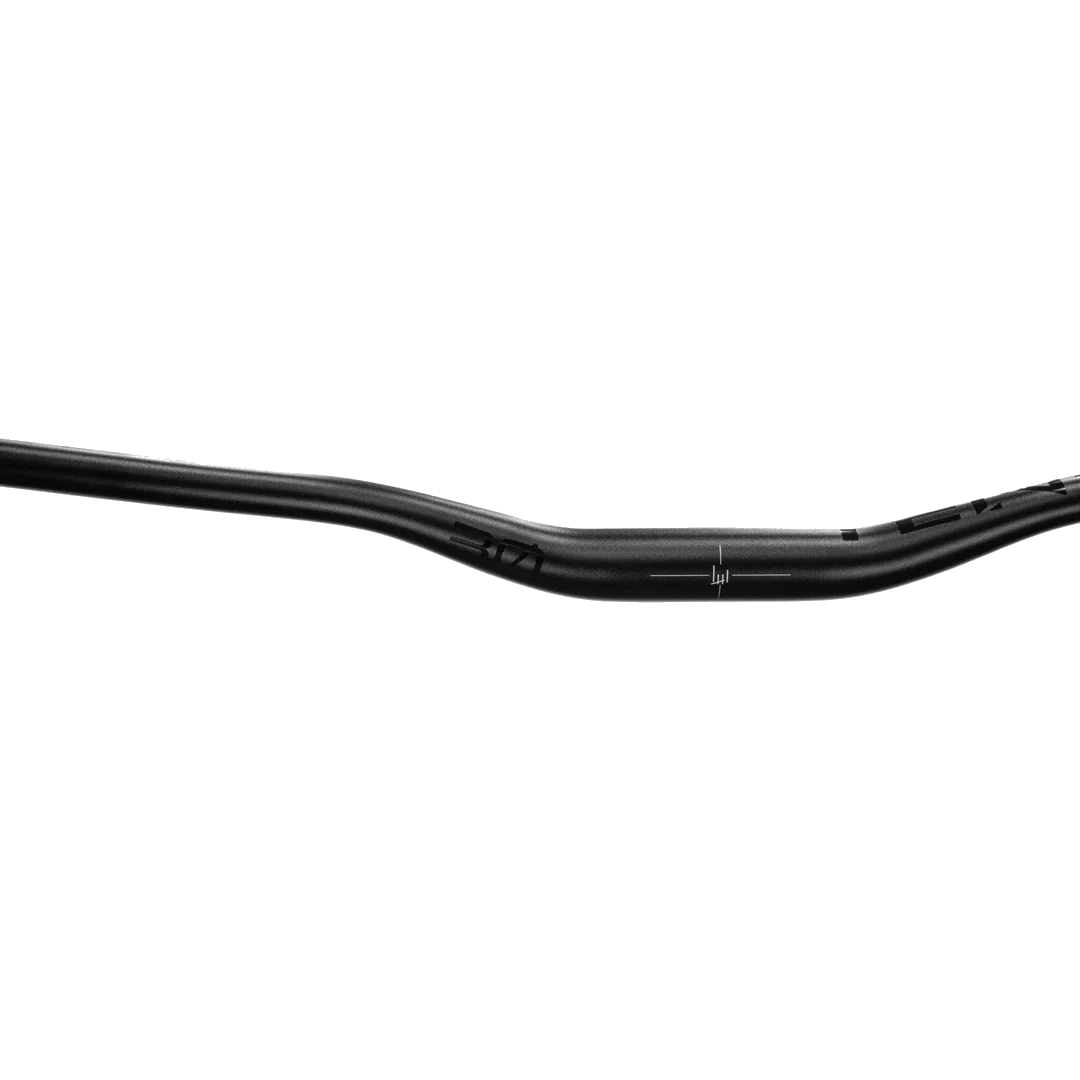
Tenet Bodem AL v3 Handlebar
€89Refined compliance and durability
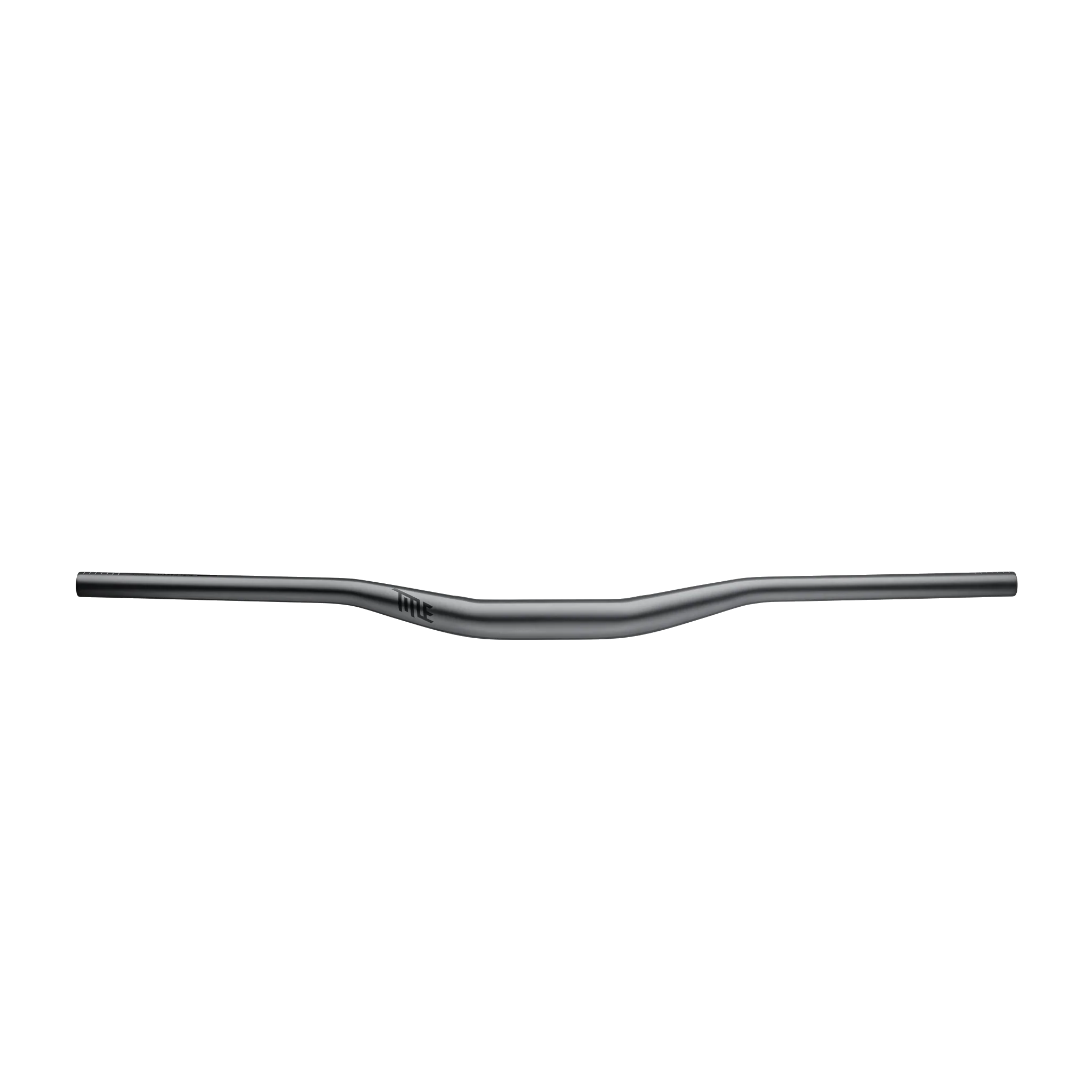
Title AH1 35 Handlebar
€59EFBE-tested and TRI-TEST® GR certified for freeride and downhill
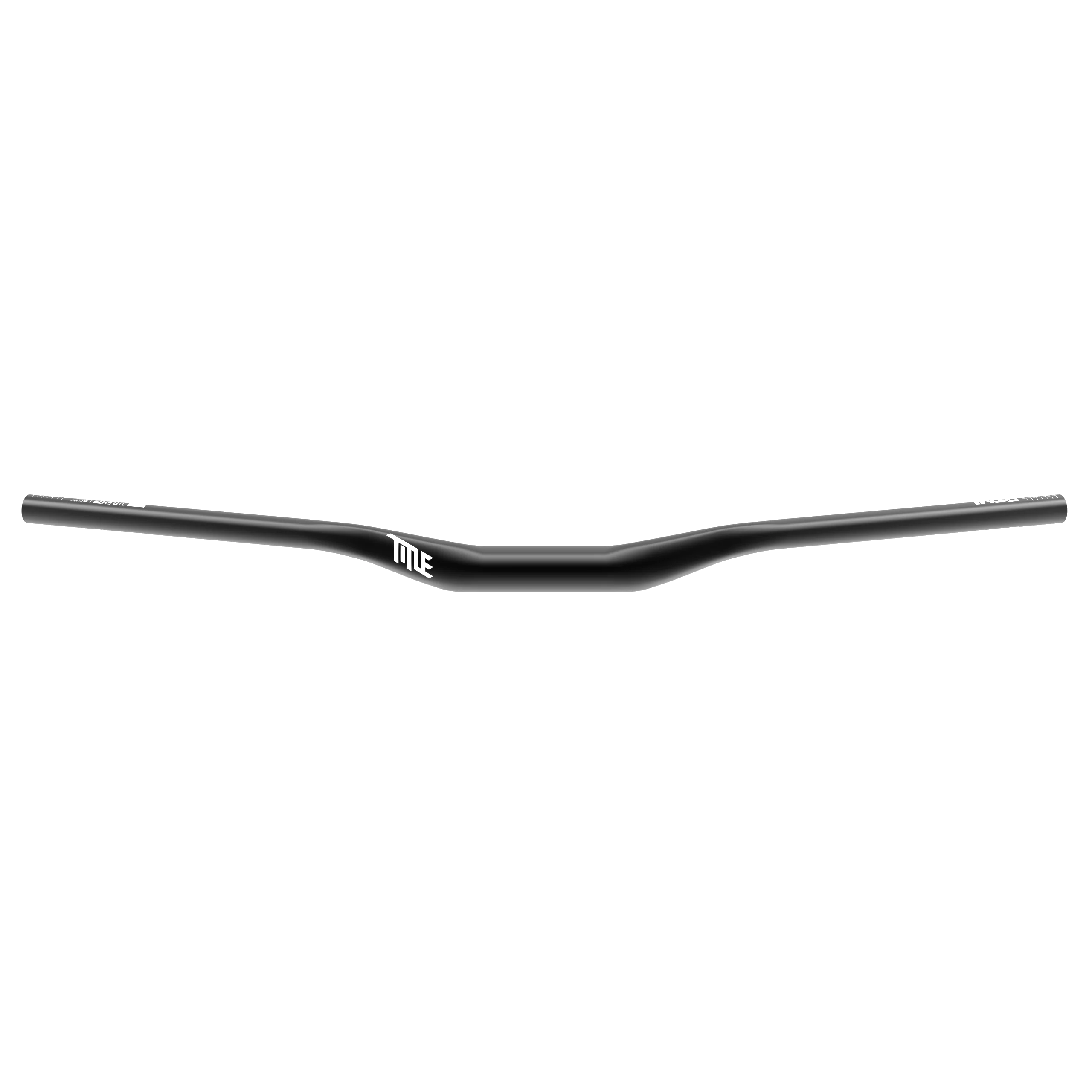
Title FORM Aluminum 35
€79Sets a new standard for alloy handlebars
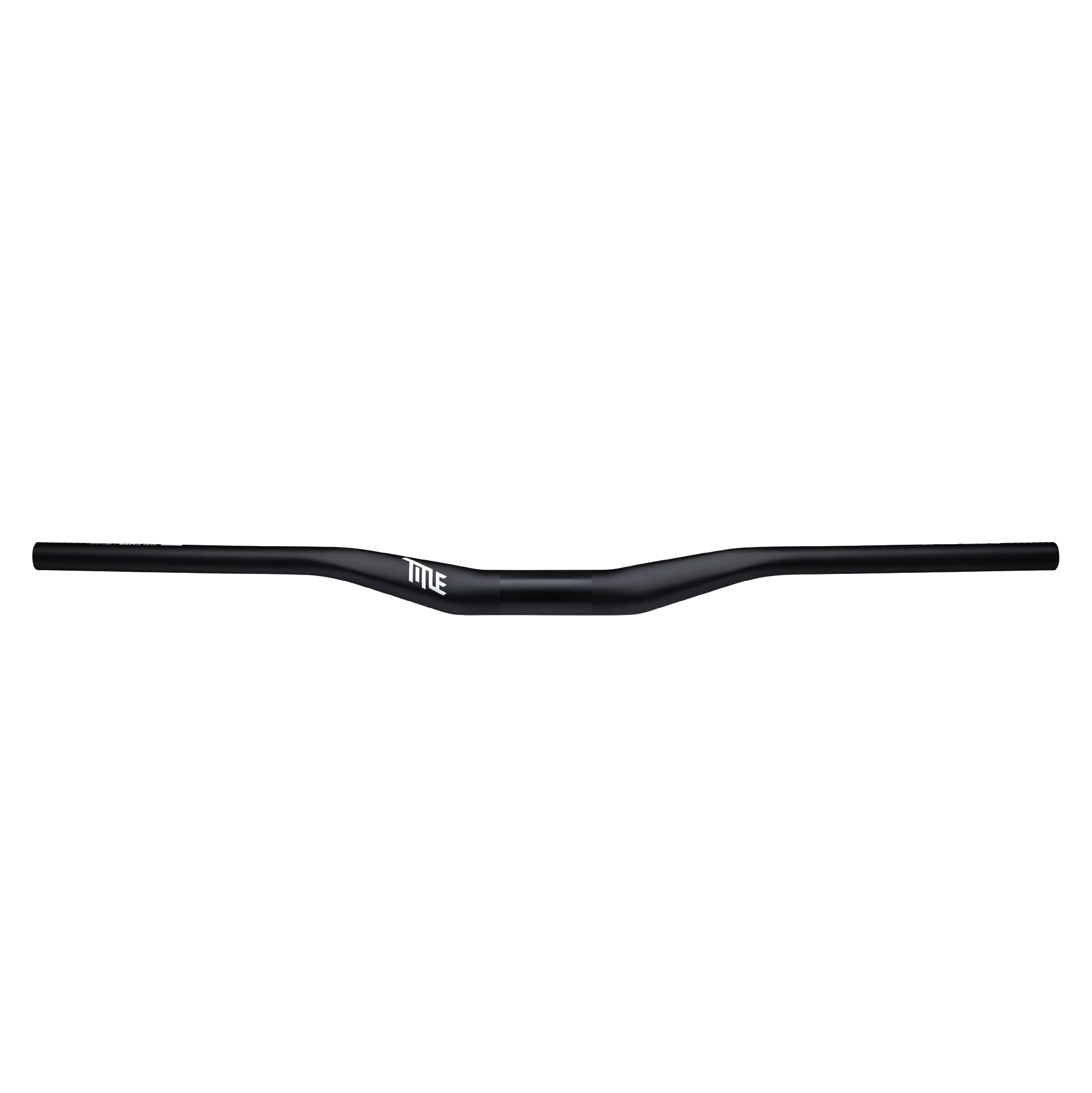
Title FORM Carbon 35
€149The lightest weight amongst DH & Enduro bars
Related guides
All guidesFrequently asked questions
How should you choose handlebars for e-mtb riding?
Start with terrain, target speed, and compatibility constraints. Then choose the level of support, stiffness, comfort, or power that actually fits your bike and riding style.
Do you need the most expensive option?
Not necessarily. The right choice is the one that delivers the performance, adjustment range, and reliability your riding actually uses. Mid-tier options often offer the best balance of cost, serviceability, and ride quality.
When should you optimize setup instead of replacing the component?
If your current part is compatible and mechanically healthy, better setup, pressure, bleeding, servicing, or cockpit tuning may solve the problem before a replacement is needed.